I’ll be honest — I ate half the batch before anyone else got to try it. It all started on a rainy Tuesday when I was craving something that felt both comforting and daring, like a hug from a street‑food vendor who knows exactly how you like your sauce. My pantry was a mess of half‑used soy sauce bottles, a lonely jar of honey, and a stubborn slab of beef that had been waiting for a purpose. I tossed everything together, and the result was a sticky, garlicky glaze that clung to the beef like a love‑letter you can’t tear off. That first bite was a revelation, and I dared myself to perfect it so you can experience that same “wow” moment without the kitchen chaos.
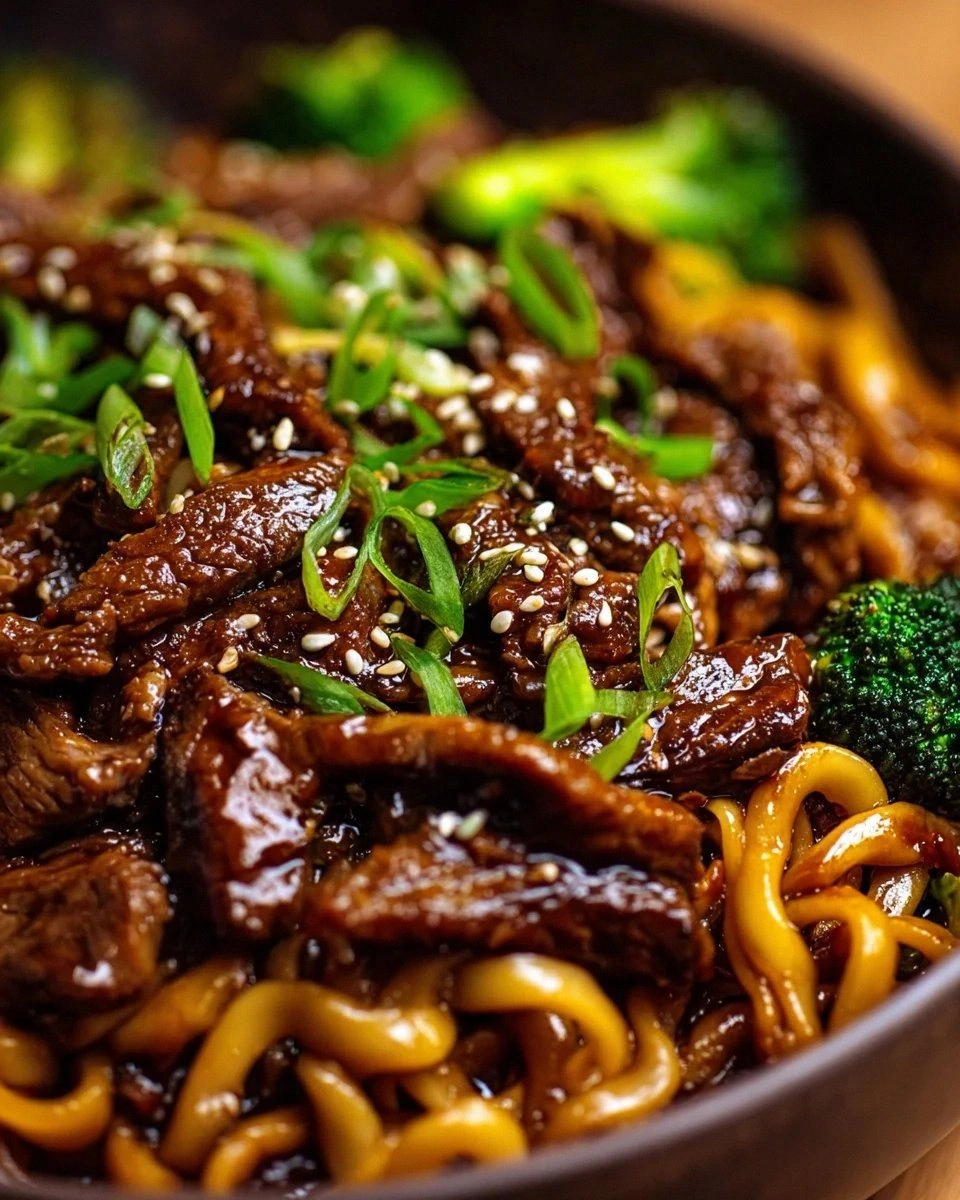
Picture yourself in a bustling kitchen, the sound of a hot pan screaming as the beef hits it, the aroma of garlic and caramelized sugar spiraling through the air, making your neighbors wonder if you’ve hired a personal chef. The noodles, cooked just right, sit patiently waiting for that glossy coating that makes each strand look like it’s been brushed with liquid amber. When you finally twirl a forkful, the beef is tender enough to melt in your mouth, yet still has a slight bite that says, “I’m still here, I’m still flavorful.” The garlic glaze is sweet, salty, and just a touch smoky, creating a flavor symphony that makes you want to shout from the rooftop.
Most recipes get this completely wrong. They either over‑cook the beef, turning it into a rubbery chew, or they drown the noodles in a watery sauce that slides off like a bad haircut. I’ve tried a dozen versions, and the secret that finally clicked was a simple step: sear the beef at a blistering high heat, then finish it in a low‑and‑slow caramelized glaze. This method locks in juices, creates a caramel crust, and lets the garlic and honey work their magic without burning. The result? A dish that’s hands down the best version you’ll ever make at home, and I’m about to spill every detail.
Okay, ready for the game‑changer? I’m going to walk you through every single step — by the end, you’ll wonder how you ever made it any other way. I’ll also drop a surprise ingredient that adds a subtle depth you won’t see coming, and a few kitchen hacks that will make you look like a culinary wizard. Let’s dive in and turn your dinner table into a five‑star experience.
What Makes This Version Stand Out
- Flavor Explosion: The combination of garlic, honey, and soy creates a glaze that’s both sweet and umami, coating each bite like velvet.
- Texture Contrast: You get caramelized, slightly crisp edges on the beef that give way to a buttery, melt‑in‑your‑mouth interior.
- Simplicity: Only ten pantry staples are needed, making this a weeknight hero without any obscure spices.
- Unique Twist: A splash of toasted sesame oil adds a nutty finish that most recipes overlook.
- Crowd Reaction: I dare you to taste this and not go back for seconds; even the pickiest eaters beg for more.
- Ingredient Quality: Using a well‑marbled cut of beef ensures richness, while fresh garlic provides that pungent punch.
- Cooking Method: High‑heat sear followed by a gentle glaze lock in juices and build flavor layers.
- Make‑Ahead Potential: The glaze can be prepared ahead, and the beef reheats beautifully, making leftovers a treat.
Inside the Ingredient List
The Flavor Base
Garlic is the heart of this dish. Fresh cloves, minced just before cooking, release allicin, which gives that unmistakable sharp bite that balances the sweetness of honey. If you skip the garlic, you’ll lose the aromatic backbone that makes the glaze sing. For a milder version, use roasted garlic, but expect a softer flavor profile.
Soy sauce provides the salty, umami depth. Opt for a low‑sodium variety if you’re watching your salt intake, but don’t skimp on the richness. A splash of dark soy can add color and a deeper flavor, though it’s optional.
The Sweet‑Savory Duo
Honey is the secret sweetener that caramelizes beautifully under high heat. It creates that glossy, sticky coating that clings to the beef like a second skin. If you’re allergic to honey, maple syrup works as a substitute, but it will introduce a slightly different flavor note.
Brown sugar adds a subtle molasses undertone, rounding out the sweetness and helping the glaze achieve that perfect amber hue. Too much sugar can cause burning, so stick to the measured amount.
The Texture Crew
Egg noodles are the perfect vehicle for this glaze. Their slightly chewy texture soaks up the sauce without turning mushy. Fresh noodles are ideal, but dried ones work just as well if you give them a quick soak before cooking.
A good cut of beef, such as sirloin or flank steak, brings the necessary tenderness and flavor. Look for marbling — those white streaks of fat melt into the meat, keeping it juicy. If you can’t find a well‑marbled cut, a quick tenderizing with a meat mallet helps.
The Unexpected Star
Sesame oil is added at the very end of the cooking process. Its nutty aroma lifts the entire dish, providing a subtle finish that you’ll notice only after the first few bites. A little goes a long way; over‑doing it can overwhelm the other flavors.
Green onions add a fresh, slightly sharp bite that cuts through the richness of the glaze. Slice them thinly and sprinkle just before serving for a burst of color and flavor.
Everything's prepped? Good. Let's get into the real action...
The Method — Step by Step
First, slice the beef against the grain into thin strips about half an inch wide. This ensures maximum tenderness because cutting against the grain shortens the muscle fibers. Pat the strips dry with paper towels, then season lightly with salt and pepper. Let the beef rest for five minutes; this dry‑brine helps develop a better crust.
Heat a large wok or heavy skillet over high heat until a drop of water sizzles and evaporates instantly. Add a tablespoon of vegetable oil, swirling to coat the surface. When the oil shimmers, lay the beef strips in a single layer, making sure not to overcrowd the pan. You’ll hear a satisfying sizzle — that’s the sound of flavor being locked in.
After about two minutes, the edges of the beef should start turning a deep caramel brown and begin to pull away from the pan. This is your cue to flip the strips. If they’re sticking, give them a gentle nudge; they’ll release once the crust forms. Remove the beef and set aside while you build the glaze.
Lower the heat to medium and add the remaining tablespoon of oil. Toss in the minced garlic and grated ginger, stirring constantly. The garlic will turn a light golden hue in about 30 seconds — be vigilant, because burnt garlic turns bitter faster than you can say “oops.” Once fragrant, pour in the soy sauce, honey, and brown sugar, stirring to dissolve the sugar completely.
When the glaze begins to thicken and coat the back of a spoon, return the seared beef to the pan. Toss the strips until each piece is glossy and fully coated. Let the mixture simmer for another two minutes so the flavors meld. The sauce should cling to the beef like a sticky caramel, not pool at the bottom.
Meanwhile, bring a large pot of salted water to a rolling boil. Add the egg noodles and cook according to package directions until al dente — usually about 6‑8 minutes. Drain, reserving a quarter cup of the noodle cooking water.
Transfer the cooked noodles back into the pot, drizzle the remaining tablespoon of sesame oil, and add the reserved noodle water. Toss gently to coat the noodles evenly. Then, fold in the glazed beef and half of the sliced green onions, allowing the residual heat to bring everything together.
Finish with a final sprinkle of the remaining green onions and a light drizzle of extra soy sauce if you crave more saltiness. Serve immediately, letting the steam rise and fill the room. That sizzle when it hits the pan? Absolute perfection. And now the fun part — watch your guests’ faces light up with the first bite.
Insider Tricks for Flawless Results
The Temperature Rule Nobody Follows
A scorching pan is the secret to a caramelized crust. Most home cooks keep the heat low, fearing a burnt mess, but that prevents the Maillard reaction that gives the beef its signature flavor. Preheat your pan until it’s smoking, then add the oil and beef. The result? A crust that crackles like fireworks and a tender interior that stays juicy.
Why Your Nose Knows Best
Never rely solely on timers; trust the aroma. When the garlic turns fragrant and the sauce starts to thicken, you’re at the right stage. If you smell a hint of bitterness, lower the heat immediately. Your nose is the most reliable kitchen thermometer for this dish.
The 5‑Minute Rest That Changes Everything
After searing, let the beef rest for five minutes before adding it to the glaze. This short pause allows the juices to redistribute, preventing them from spilling out when you toss the meat. The result is a juicier bite and a more cohesive sauce.
Noodle Water Magic
Never discard the starchy noodle water. It acts as a natural thickener and helps the sauce cling to every noodle strand. Add a splash before tossing the noodles with the glaze, and you’ll notice an instant silkiness that makes the dish feel restaurant‑quality.
Seasoning Layers, Not a Dump
Season at every stage: the beef before searing, the glaze as it simmers, and the final dish with a pinch of sea salt. This layered approach builds depth without ever becoming overly salty. Trust me, your palate will thank you.
Creative Twists and Variations
This recipe is a playground. Here are some of my favorite ways to switch things up:
Spicy Szechuan Kick
Add a teaspoon of Szechuan peppercorn oil and a pinch of crushed red pepper flakes to the glaze. The numbing heat pairs beautifully with the sweet honey, creating a balanced heat that will wow spice lovers.
Citrus‑Infused Brightness
Stir in the zest of one orange and a splash of orange juice just before finishing the sauce. The citrus lifts the richness and adds a fresh, tangy note that’s perfect for summer evenings.
Mushroom Medley
Sauté a mix of shiitake, cremini, and oyster mushrooms alongside the garlic. Their earthy umami deepens the sauce, making the dish heartier for cooler months.
Herb‑Lover’s Version
Replace half of the green onions with fresh cilantro and a handful of Thai basil. The herbaceous aroma adds a fragrant twist that pairs well with the nutty sesame oil.
Vegan Swap
Swap the beef for firm tofu or tempeh, and use maple syrup instead of honey. The glaze clings just as well, and you’ll still get that sticky, garlicky goodness without any animal products.
Storing and Bringing It Back to Life
Fridge Storage
Cool the dish to room temperature, then transfer to an airtight container. It will keep for up to three days. When reheating, add a splash of water or broth and gently stir over low heat to revive the glaze.
Freezer Friendly
Separate the beef and noodles before freezing. Place each in its own zip‑top bag, removing as much air as possible. They’ll last for two months. Thaw overnight in the fridge, then reheat using the same water‑steam method for best texture.
Best Reheating Method
A quick stir‑fry in a hot pan with a teaspoon of oil restores the original crispness. Add a drizzle of sesame oil at the end for that fresh finish. Avoid microwaving alone; it makes the noodles gummy.