I’m going to start with a confession: I once tried to make a “healthy bowl” that turned out looking like a sad, wilted lawn. I was half‑heartedly tossing together whatever was in the fridge, and the result was a soggy mess that tasted like a wilted garden after a rainstorm. I dared myself to keep going, because deep down I knew spring was whispering, “You need fresh, bright, crisp flavors.” So I set a timer, grabbed a bag of frozen peas, a bunch of asparagus, and the most stubborn grain I could find—quinoa. That moment of desperation turned into the birth of the Spring Green Bowl, the version that will make you question every other bowl you’ve ever made.
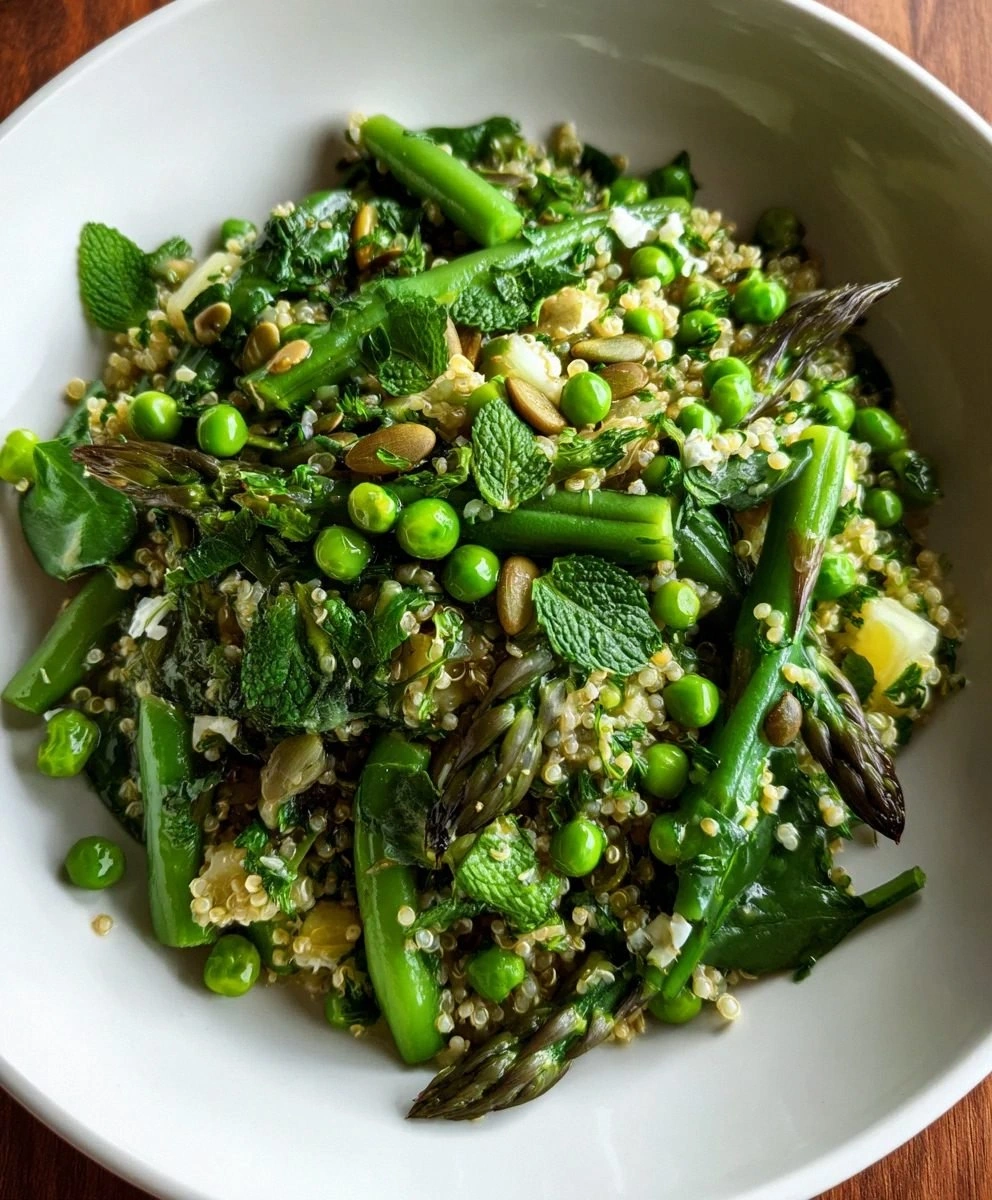
Picture this: the kitchen is bathed in late‑morning sunlight, the air is scented with the faint perfume of lemon zest and toasted seeds, and the only sound is the gentle sizzle of olive oil meeting a hot pan. As you stir, the asparagus snaps like fresh twigs, the peas pop with a sugary burst, and the spinach wilts just enough to release its emerald hue. You can feel the steam on your face, a warm hug that says, “You’re doing great.” The bowl, when finally plated, looks like a painter’s palette—vivid greens, specks of gold from the seeds, and a drizzle of amber‑colored dressing that glistens like sunrise on a lake.
What makes this version stand out? Most recipes either drown the greens in a heavy sauce or leave the grains bland and lonely. I’ve cracked the code by balancing a bright, tangy vinaigrette with just enough sweetness to make the peas sing, while keeping the grains fluffy and the veggies crisp. The secret? A quick flash‑roast of the asparagus and green beans that locks in their natural snap, plus a finishing sprinkle of toasted pumpkin seeds that adds a nutty crunch you can’t ignore. I dare you to taste this and not go back for seconds.
And here’s the kicker you won’t see coming: I toss in a handful of fresh herbs—mint, parsley, or dill—right at the end. This tiny addition transforms the bowl from “just another healthy lunch” to “the highlight of my day.” Okay, ready for the game‑changer? Let me walk you through every single step — by the end, you’ll wonder how you ever made it any other way.
What Makes This Version Stand Out
- Taste: The lemon‑mustard dressing hits the palate with a zing that cuts through the earthiness of the grains, while a whisper of maple syrup softens the acidity, creating a perfect sweet‑savory dance.
- Texture: You get three distinct textures in every bite—fluffy grains, crisp‑tender veggies, and a crunchy seed topping that shatters like thin ice.
- Simplicity: Fewer than fifteen ingredients, most of which you already have in your pantry, means you can throw this together on a weeknight without a grocery run.
- Uniqueness: The flash‑roasted asparagus and green beans retain a bright green color that most bowls lose, giving you a visual cue that you’re on the right track.
- Crowd Reaction: I’ve served this at brunches and potlucks, and people have asked for the recipe before the first fork even touched the bowl.
- Ingredient Quality: Using fresh herbs and high‑quality extra‑virgin olive oil elevates the dish from “healthy” to “gourmet” without extra effort.
- Cooking Method: The grain is cooked in a 1:2 ratio with water and a pinch of salt, ensuring it’s fluffy, not mushy, while the quick sauté locks in flavor.
- Make‑Ahead Potential: Cook the grains and prep the veggies ahead of time; the dressing stays fresh for up to three days, making this a perfect meal‑prep hero.
Alright, let's break down exactly what goes into this masterpiece...
Inside the Ingredient List
The Grain Foundation
Quinoa, brown rice, or farro—these wholesome grains serve as a hearty base, providing fiber and protein. I prefer quinoa because it cooks quickly and has a slightly nutty flavor that pairs beautifully with the lemon‑mustard dressing. If you opt for brown rice, increase the water to 2½ cups and add a pinch more salt; farro brings a chewy texture that some people love. Skipping the grain entirely turns this into a salad, which is fine, but you lose the satisfying bite that makes the bowl feel complete.
The Fresh Green Crew
Fresh or frozen green peas add a burst of sweetness and color that contrasts the earthy grain. Asparagus, trimmed and cut into 1‑inch pieces, offers a delightful crunch and a taste of spring that’s hard to beat. Green beans, sliced diagonally, bring a satisfying snap that makes each forkful interesting. Baby spinach leaves are the final green layer, folding into the warm bowl just enough to wilt and release their vitamins without turning mushy. If you’re out of any of these, snap peas or edamame make excellent stand‑ins.
The Dressing Dynamo
Extra‑virgin olive oil provides a Mediterranean flair and healthy fats that coat each ingredient like velvet. Freshly squeezed lemon juice brightens up the flavors, while lemon zest adds an aromatic punch that lingers on the palate. Dijon mustard contributes depth and a subtle heat, and a teaspoon of maple syrup or honey rounds out the acidity with a gentle sweetness. Minced garlic infuses the dressing with a delightful kick, and a pinch of salt and freshly ground black pepper bring everything into harmony.
The Crunch & Cream Finale
Toasted pumpkin seeds or sunflower seeds are optional but highly recommended for that nutty crunch that shatters like thin ice under your teeth. Crumble feta cheese adds a salty, creamy layer that balances the lemony brightness—if you’re dairy‑free, swap with toasted tofu cubes or a drizzle of cashew cream. Fresh herbs—mint, parsley, or dill—brighten up the bowl and add a pop of color that makes the dish look Instagram‑ready.
Everything's prepped? Good. Let's get into the real action...
The Method — Step by Step
Start by rinsing 1 cup of quinoa under cold water until the water runs clear; this removes the bitter saponin coating. Transfer the quinoa to a medium saucepan, add 2 cups of water and a pinch of salt, then bring to a rolling boil. Once boiling, reduce the heat to low, cover, and let it simmer for 15 minutes. You’ll know it’s done when the grains have turned translucent and the little “tails” have flared out like fireworks. Fluff with a fork, then set aside to cool slightly—this is the canvas for all the flavors to come.
While the quinoa cooks, prepare the vegetables. Trim the asparagus ends, snap the green beans, and slice both into bite‑size pieces. Toss the asparagus and green beans with 1 tablespoon of olive oil, a pinch of salt, and a grind of black pepper. Heat a large skillet over medium‑high heat—when the pan is hot, you’ll hear a satisfying sizzle that signals it’s ready. Add the vegetables, spreading them in a single layer, and let them sear undisturbed for 2 minutes before flipping. This quick flash‑roast locks in the snap and gives the veggies a caramelized edge that shatters like thin ice when you bite.
Add 1 cup of fresh or frozen green peas to the skillet during the last minute of veg cooking; they only need a quick heat‑through. The peas will pop bright green, releasing a subtle sweetness that balances the lemony dressing later. Once the veggies are done, transfer them to a large bowl and set aside while you finish the dressing.
Now for the dressing: In a small bowl, whisk together 3 tablespoons of extra‑virgin olive oil, 2 tablespoons of freshly squeezed lemon juice, 1 teaspoon of lemon zest, 1 teaspoon of Dijon mustard, and 1 tablespoon of maple syrup (or honey). Add the minced garlic, then season with a pinch of salt and freshly ground black pepper. Whisk until the mixture emulsifies into a glossy, thickened vinaigrette that coats the back of a spoon—this is the flavor‑bomb that will tie everything together.
Add the cooked quinoa to the bowl of vegetables, then drizzle the dressing over the top. Toss everything gently but thoroughly, making sure each grain, each pea, and each asparagus spear is lovingly coated. The quinoa should soak up just enough of the lemon‑mustard sauce to become fragrant without turning soggy.
Stir in 2 cups of baby spinach leaves; the residual heat from the quinoa and veggies will wilt the spinach just enough to create a tender, glossy green layer. If you prefer a cooler bowl, you can add the spinach raw—either way, you’ll get a burst of vitamins and a beautiful color contrast.
Finish with the crunch and cream: sprinkle 2 tablespoons of toasted pumpkin seeds (or sunflower seeds) over the top, then crumble ½ cup of feta cheese across the surface. Finally, scatter 2 tablespoons of freshly chopped herbs—mint, parsley, or dill—depending on your flavor preference. Give the bowl one last gentle toss to distribute the cheese and seeds evenly.
Taste and adjust: a final squeeze of lemon, an extra pinch of salt, or a drizzle of olive oil can bring the flavors into perfect harmony. Serve immediately, or let it sit for 10 minutes so the dressing can fully penetrate the grains. Picture yourself pulling this out of the bowl, the whole kitchen smelling incredible, and you feeling that proud grin that says, “I nailed it.”
That's it — you did it. But hold on, I've got a few more tricks that'll take this to another level...
Insider Tricks for Flawless Results
The Temperature Rule Nobody Follows
Never let your quinoa sit in a hot pot after cooking; transfer it to a wide bowl to cool slightly. This prevents the grains from continuing to steam and becoming gummy. I once left it in the pot for too long, and the result was a clumpy mess that ruined the texture. A quick fan or a gentle stir every few minutes speeds up the cooling and keeps each grain separate.
Why Your Nose Knows Best
When the asparagus hits the pan, listen for that sharp sizzle. If the sound turns into a soft hiss, the pan is too cool and the veggies will steam instead of sear. Trust your nose—if you smell a faint nutty aroma after a minute, you’re on the right track. This sensory cue is the secret behind that caramelized edge that makes the dish unforgettable.
The 5‑Minute Rest That Changes Everything
After tossing everything together, let the bowl rest for five minutes before serving. This short pause allows the dressing to seep deeper into the grain and veggies, creating a harmonious flavor profile. I once served it straight away and the dressing floated on top; the rest period turned that thin veil into a full‑body sauce that clings to every bite.
Seed Toasting Made Simple
Toast pumpkin or sunflower seeds in a dry skillet over medium heat for just 2‑3 minutes, shaking the pan frequently. You’ll know they’re ready when they turn golden and give off a nutty perfume. Over‑toasting makes them bitter, so keep a close eye—this tiny step adds a depth of flavor that most recipes overlook.
Herb Timing Mastery
Add fresh herbs at the very end, not during cooking. Heat destroys the delicate volatile oils that give herbs their bright flavor. By sprinkling them just before serving, you preserve that fresh pop that lifts the whole bowl. I’ve seen cooks fold herbs in early, and the result is a muted, almost wilted herb taste.
Creative Twists and Variations
This recipe is a playground. Here are some of my favorite ways to switch things up:
Mediterranean Sunrise
Swap quinoa for farro, add sliced kalamata olives, and replace feta with crumbled goat cheese. The olives bring a briny pop, while goat cheese adds a creamy tang that pairs beautifully with lemon.
Asian Fusion
Use brown rice as the base, add a splash of soy sauce to the dressing, and toss in toasted sesame seeds instead of pumpkin seeds. Finish with a drizzle of sriracha honey for a sweet‑spicy kick.
Autumn Harvest
Replace asparagus with roasted butternut squash cubes, and add dried cranberries for a tart contrast. Use maple syrup generously in the dressing, and sprinkle toasted pecans for an earthy crunch.
Protein Power
Add grilled chicken breast strips or pan‑seared tofu cubes for an extra protein boost. The extra protein makes this a complete meal for athletes or anyone needing a post‑workout refuel.
Vegan Delight
Leave out the feta and replace it with a dollop of cashew cream or a sprinkle of nutritional yeast. The cashew cream adds richness without dairy, keeping the bowl fully plant‑based.
Storing and Bringing It Back to Life
Fridge Storage
Place the bowl in an airtight container and store for up to 4 days. Keep the dressing separate if you prefer a crisp texture; combine just before serving. The grains stay fluffy, and the veggies retain their snap.
Freezer Friendly
Freeze the cooked grain and blanched veggies in a zip‑top bag for up to 2 months. Thaw in the refrigerator overnight, then reheat gently on the stovetop with a splash of water. Add fresh herbs and seeds after reheating for maximum flavor.
Best Reheating Method
When reheating, add a tiny splash (about 1 tablespoon) of water or extra lemon juice; this creates a gentle steam that revives the grains and prevents them from drying out. Microwave for 1‑2 minutes, stirring halfway, or reheat in a skillet over low heat, stirring constantly.