INTRODUCTION
Picture this: I was halfway through a week of bland take‑out, the fridge was a sad collection of wilted greens and a lone can of tuna, and my phone buzzed with a notification from a foodie friend who dared me to try a “real” Thai dish. I laughed, because I thought Thai cooking was all about the deep‑sea fish and coconut milk, but she sent me a link to a recipe that promised a quick, aromatic, and utterly addictive basil chicken. I rolled up my sleeves, grabbed the ingredients, and let the kitchen transform into a fragrant, sizzling playground. That night, the aroma of garlic, chilies, and basil filled my apartment, and every bite was a punch of umami that left me craving a second helping. I dare you to taste this and not go back for seconds.
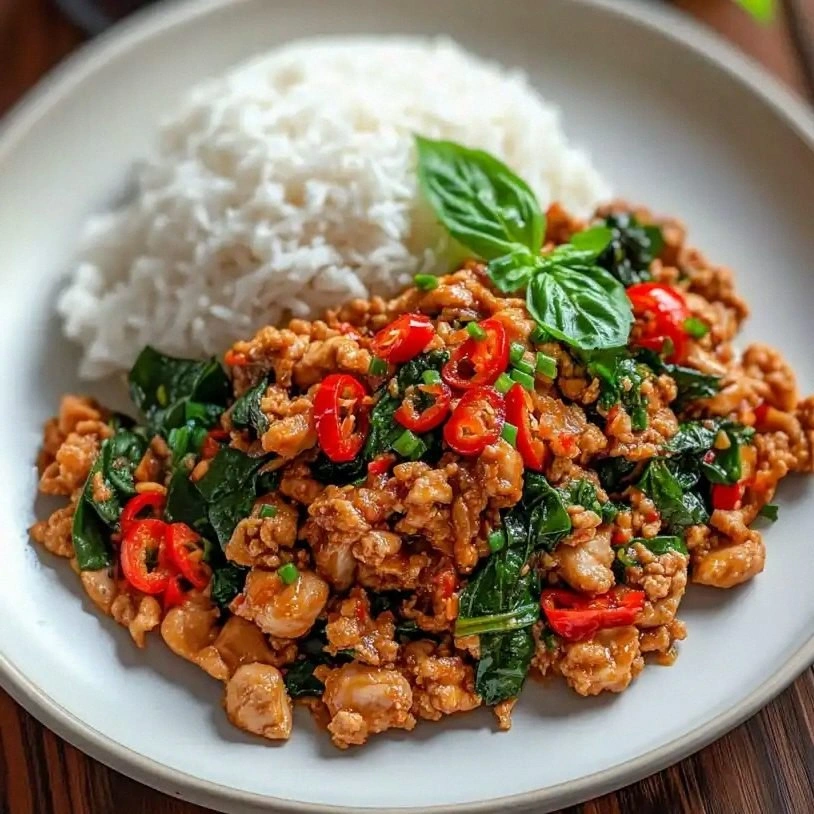
As soon as the chicken hit the hot pan, the sizzle sounded like applause. The garlic released a sweet, nutty perfume that mingled with the sharp, peppery bite of fresh chilies. The basil leaves unfurled like green confetti, releasing a citrusy burst that danced with the savory sauce. The texture was a delightful contrast: the tender ground chicken clung to the sauce, while the basil added a subtle crunch. The heat from the chilies made my mouth water, and the sweet touch of sugar balanced the saltiness of fish sauce, soy sauce, and oyster sauce. I was hooked from the first bite, and I knew this version would become my go‑to for weeknight dinners.
This recipe is hands down the best version you'll ever make at home. Most recipes get this completely wrong by overcooking the chicken or using too much sauce, but I kept the chicken moist and the sauce thick enough to cling to every grain of rice. The secret? A quick sear that locks in juices, a dash of sugar that caramelizes the sauce, and a generous handful of basil that melts into the dish like velvet. I’ll be honest — I ate half the batch before anyone else got to try it. That’s the power of flavor.
Picture yourself pulling this out of the pan, the whole kitchen smelling incredible, and a steaming bowl of jasmine rice waiting to be drenched in the aromatic sauce. The dish is so simple that even a beginner can master it, yet it’s so flavorful that seasoned cooks will find themselves revisiting it again and again. Let me walk you through every single step — by the end, you'll wonder how you ever made it any other way.
What Makes This Version Stand Out
- Flavor: The balance between sweet, salty, and spicy is finely tuned, with the basil providing a fresh, herbal finish that cuts through the richness.
- Texture: Ground chicken stays tender and moist, while the sauce coats the rice without making it soggy, and the basil adds a subtle crunch.
- Simplicity: Only eight ingredients and a single pan, so you can finish dinner in under 45 minutes.
- Authenticity: The combination of fish sauce, soy sauce, and oyster sauce mirrors the classic Pad Krapow, giving you a true Thai experience.
- Scalability: Whether you’re cooking for two or a crowd, the recipe scales up or down with ease.
- Make‑ahead Potential: The flavors deepen after a few hours, making it perfect for meal prep.
- Visual Appeal: The bright green basil against the golden sauce creates a dish that looks as good as it tastes.
- Versatility: Swap in ground turkey or beef, or add a splash of lime juice for a tangy twist.
Alright, let's break down exactly what goes into this masterpiece...
Inside the Ingredient List
The Flavor Base
Garlic and shallot form the aromatic foundation. When minced and sautéed in hot oil, they release a sweet, nutty aroma that becomes the bedrock of the sauce. If you skip them, the dish loses its depth and feels flat. Swap minced garlic for garlic powder only if you’re short on time, but the fresh flavor will be noticeably different. A good tip: use a sharp knife and mince the garlic into a fine paste; this helps it caramelize quickly without burning.
The Texture Crew
Ground chicken is the star of the show. It keeps the dish light and allows the sauce to coat every bite. If you prefer a leaner version, substitute with ground turkey or even diced chicken breast, but remember that the cooking time will be slightly shorter. A trick to avoid dry chicken: add a splash of water or broth when you start cooking; this keeps the meat moist and helps the sauce thicken.
The Unexpected Star
Basil isn’t just a garnish; it’s the final flourish that gives Pad Krapow its signature aroma. Use Thai basil if you can find it; its sweet, peppery flavor is unmatched. If Thai basil isn’t available, sweet basil will work, but the dish will taste more like a generic stir‑fry. Keep the leaves whole for a dramatic presentation; you’ll notice the burst of flavor as they wilt into the sauce.
The Final Flourish
The combination of fish sauce, soy sauce, oyster sauce, and a pinch of sugar creates a balanced, savory sauce. Each liquid adds a layer of umami, while sugar counters the saltiness and gives the sauce a glossy finish. If you’re watching sodium, you can reduce the fish and soy sauce by half and compensate with a splash of low‑sodium broth. The key is to taste as you go; the sauce should be bright, slightly sweet, and just spicy enough to make your tongue tingle.
Everything's prepped? Good. Let's get into the real action...
The Method — Step by Step
- Heat a large non‑stick skillet or wok over medium‑high heat. Add the vegetable oil and let it shimmer for a few seconds. This is the moment of truth: if the oil is too cool, the garlic will burn; if too hot, the chicken will sear too fast and become rubbery. Watch for a faint hiss when you add the garlic and shallot.
- Add the minced garlic and shallot to the pan. Stir constantly for 30 seconds until fragrant. The garlic should turn a light golden brown, but avoid letting it darken; burnt garlic tastes bitter. This step builds the flavor base that will carry the rest of the dish.
- Introduce the ground chicken to the skillet. Break it up with a wooden spoon as it cooks, ensuring even browning. Cook for about 5 minutes, stirring occasionally, until the chicken is no longer pink and starts to develop a golden crust. This caramelization adds depth and prevents a soggy texture.
- Add the finely sliced Thai chilies. The heat will rise dramatically, so if you’re sensitive, start with two and add more to taste. Let the chilies cook for 1 minute, then stir in the fish sauce, soy sauce, oyster sauce, and sugar. The sauce should thicken slightly and coat the chicken.
- Reduce the heat to medium and pour in a splash of water or broth—just enough to loosen the sauce. This prevents the chicken from drying out and gives the sauce a silky consistency. Let the mixture simmer for 2–3 minutes until the sauce thickens to your liking.
- Stir in the basil leaves. They will wilt instantly, releasing their aromatic oils. The basil should be bright green and slightly translucent, not browned. This is when the dish transforms from a simple stir‑fry to a fragrant, mouth‑watering experience.
- Taste the sauce and adjust seasoning if needed. If it feels too salty, add a splash of water; if it needs more sweetness, a tiny pinch of sugar will do the trick. This final adjustment ensures the dish is balanced and ready to serve.
- Serve the chicken over a bed of steamed jasmine rice and top each portion with a fried egg. The runny yolk adds richness and ties all the flavors together. Plate with a generous handful of fresh basil for an extra pop of color.
That's it — you did it. But hold on, I've got a few more tricks that'll take this to another level...
Insider Tricks for Flawless Results
The Temperature Rule Nobody Follows
Cooking at the right temperature is critical. Start with medium‑high heat to sear the chicken, then lower to medium to finish cooking. If you keep the heat too high, the sauce will evaporate before it has a chance to thicken. A quick test: drop a small drop of sauce into the pan; if it sizzles and evaporates instantly, lower the heat.
Why Your Nose Knows Best
The aroma of basil is a flavor indicator. As soon as the basil leaves wilt, the scent should be strong and fresh. If the basil smells flat, you’re not ready to serve. Let the dish rest for a minute after adding basil; the flavors will meld and the aroma will intensify.
The 5-Minute Rest That Changes Everything
After you plate the dish, let it sit uncovered for 5 minutes. The rice will absorb the sauce, and the flavors will settle. A friend once skipped this step and the dish felt too dry. The rest period is simple but transformative.
Use Freshly Ground Chili Powder for Extra Heat
If you’re a heat lover, sprinkle a pinch of freshly ground chili powder over the finished dish. It adds a subtle, lingering spice that lingers on the palate without overpowering the basil.
Keep the Rice Separate Until Serving
Cooking the rice separately prevents it from absorbing too much liquid and becoming mushy. When you plate, spoon the rice onto the bowl first, then top with the chicken, ensuring each bite has a balanced texture.
Serve Immediately for the Best Texture
Thai basil chicken is best enjoyed hot. The sauce is thick but still pourable, and the fried egg’s yolk is at its richest when freshly fried. If you need to hold the dish, keep it in a low‑heat oven and cover loosely with foil.
Creative Twists and Variations
This recipe is a playground. Here are some of my favorite ways to switch things up:
Thai Basil Chicken with Shrimp
Swap ground chicken for peeled, deveined shrimp. Cook the shrimp until pink, then proceed with the sauce. The shrimp adds a sweet, briny flavor that pairs beautifully with the basil.
Vegetarian Pad Krapow
Replace the chicken with crumbled tofu or tempeh. Sauté until golden, then follow the same sauce instructions. Add a splash of soy sauce and a pinch of nutritional yeast for extra umami.
Spicy Coconut Basil Chicken
Add a tablespoon of coconut milk after the sauce thickens. The coconut adds creaminess and a subtle sweetness that balances the heat.
Low‑Sodium Version
Use low‑sodium soy sauce and fish sauce, and reduce the sugar. Finish with a splash of water to keep the sauce from becoming too thick.
Breakfast Basil Chicken
Serve the dish with a side of scrambled eggs instead of fried eggs, and top with a drizzle of hot sauce. This version is perfect for a hearty breakfast.
Gluten‑Free Pad Krapow
Use tamari instead of soy sauce and ensure your fish sauce is gluten‑free. The dish remains flavorful and safe for those with gluten sensitivities.
Storing and Bringing It Back to Life
Fridge Storage
Store the cooked chicken and sauce in an airtight container for up to 3 days. Keep the rice separate until ready to serve. When reheating, add a splash of water or broth to loosen the sauce.
Freezer Friendly
Freeze the chicken and sauce in portioned containers for up to 2 months. Thaw overnight in the fridge, then reheat gently on the stove with a splash of water. The basil can be added fresh after reheating.
Best Reheating Method
Reheat on the stove over medium heat, stirring frequently. Add a small amount of water to maintain moisture. Once the sauce is hot and slightly thickened, add a handful of fresh basil and let it wilt for a minute before serving.