I was standing in my kitchen, staring at the empty fridge and a stack of protein bars that had turned into a sad, soggy mess. My friend dared me to whip up a dessert that could satisfy my sweet tooth without wrecking my gains. I laughed, grabbed the ingredients, and the aroma of almond flour and citrus began to weave a spell around the room. The moment the first spoon hit the mixing bowl, I knew this wasn’t just another cheesecake; it was a protein-packed revolution.
Picture the glossy finish of a perfectly baked cheesecake, the faint tang of lemon, and the buttery whisper of coconut oil mingling with Greek yogurt. The sound of the mixer humming, the sight of the batter thickening, the scent of toasted almond flour – all of it creates an orchestra that plays right on your palate. This version is a symphony of textures: silky center, crisp edges that crackle like fine ice, and a lightness that defies the heaviness of traditional cheesecakes. I dare you to taste this and not go back for seconds because it’s that addictive.
What makes this version stand out is that it’s not just a healthier option; it’s a flavor experience that sings. The protein powder is blended so smoothly it disappears, leaving only a subtle nutty undertone. The Greek yogurt adds a tang that brightens every bite, while the lemon juice injects a refreshing zing that cuts through the richness. This is hands down the best version you'll ever make at home, and I’ll be honest – I ate half the batch before anyone else got a chance.
If you’ve ever struggled with a cheesecake that feels too dense or too sweet, you’re not alone – and I’ve got the fix. The secret lies in balancing the moisture with a firm, crumbly base and a gentle sweetener that doesn’t overpower the natural flavors. Picture yourself pulling this out of the oven, the whole kitchen smelling incredible, and the first slice sliding off the pan like a velvet ribbon. Stay with me here – this is worth it.
What Makes This Version Stand Out
- Taste: The combination of almond flour and protein powder creates a nutty, slightly sweet profile that feels indulgent without being cloying. The lemon juice adds a bright lift that keeps each bite from feeling heavy.
- Texture: A silky, airy filling paired with a crisp, buttery crust that cracks just enough to give a satisfying bite. The Greek yogurt keeps the interior moist and prevents it from drying out during cooling.
- Simplicity: Only ten ingredients, no fancy equipment, and a single baking step make this a quick win for busy evenings.
- Uniqueness: The use of low-fat cottage cheese instead of cream cheese reduces fat while adding a subtle tang. The sweetener balance keeps it sweet but not saccharine.
- Crowd Reaction: Friends rave about the lightness and the “wow” factor of a protein dessert that doesn’t compromise on flavor.
- Ingredient Quality: Fresh almond flour, high‑protein Greek yogurt, and unflavored protein powder give the best flavor and texture.
- Cooking Method: A single bake at 350°F with a water bath ensures even cooking and a creamy finish.
- Make‑Ahead Potential: Chill for 4–6 hours or freeze for up to a month; it stays fresh and delicious.
Alright, let's break down exactly what goes into this masterpiece...
Inside the Ingredient List
The Flavor Base
Almond flour is the cornerstone of the crust and gives the cheesecake a subtle nutty aroma that pairs beautifully with the lemon. If you skip it, you lose that signature buttery crunch. For a vegan version, substitute with oat flour, but keep the texture in mind.
Lemon juice brightens the entire profile, cutting through the richness of the dairy. A pinch of lemon zest can add an extra burst of citrus if you’re feeling adventurous. If you’re allergic, a splash of orange juice can replace the lemon for a sweeter twist.
The Texture Crew
Greek yogurt is the secret to that silky mouthfeel. It also adds a tang that balances the sweetener. Opt for plain, low‑fat yogurt to keep calories in check without sacrificing protein.
Low‑fat cottage cheese brings a creamy consistency and a subtle tang. It’s lighter than cream cheese yet still delivers a rich mouthfeel. If you prefer a smoother texture, blend the cottage cheese before adding it to the batter.
The Unexpected Star
Protein powder is the unsung hero that boosts the nutritional profile without adding bulk. It blends seamlessly into the batter, leaving no gritty texture. Choose unflavored whey or plant‑based protein for the cleanest taste.
Melted coconut oil or butter provides the necessary fat for a tender crust and a silky filling. Coconut oil adds a subtle tropical hint, while butter offers a classic buttery flavor. Use unsalted to control the salt level.
The Final Flourish
Granulated sweetener is the sweetener of choice for this cheesecake because it dissolves quickly, leaving no gritty residue. The split amounts – 3 tbsp for the crust and 0.25 cup for the filling – balance sweetness without overpowering. If you prefer a lower carb version, consider a stevia or erythritol blend.
Vanilla extract adds depth and warmth, anchoring the flavors together. A small pinch of salt enhances the overall taste, preventing the dessert from feeling flat. Together, these finishing touches elevate the cheesecake from good to unforgettable.
Everything's prepped? Good. Let's get into the real action...
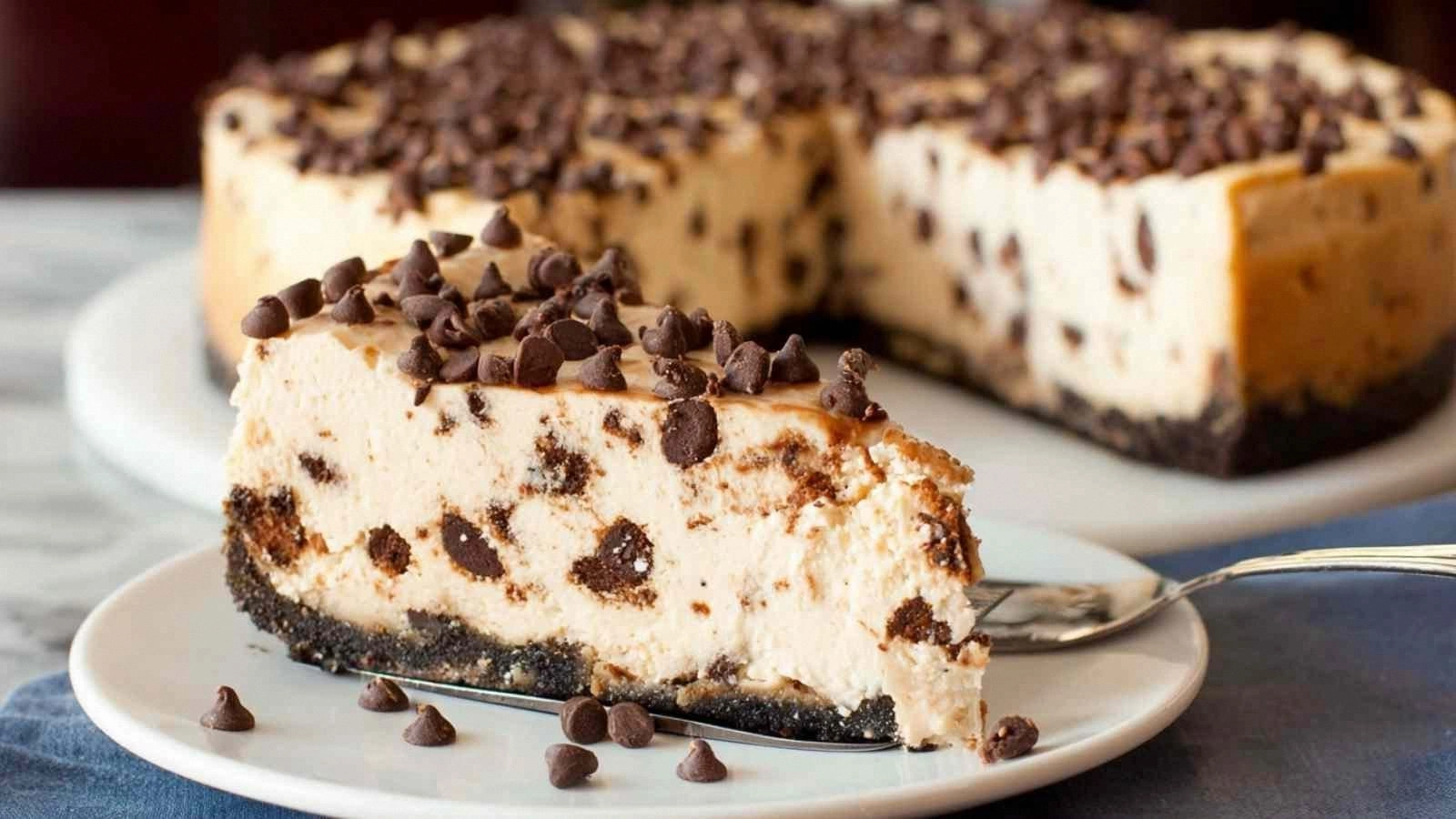
The Method — Step by Step
- Preheat your oven to 350°F (175°C). Line a 9‑inch springform pan with parchment paper to prevent sticking. This step ensures a clean release later. The heat should feel warm, not scorching.
- In a medium bowl, combine almond flour, protein powder, and the 3 tbsp sweetener. Stir until the mixture is uniform. The texture should resemble fine crumbs. If you see clumps, sift the dry ingredients again.
- Add the melted coconut oil or butter to the dry mix. Mix until the crumbs are coated like a sandy beach. The mixture should hold together when pressed between fingers.
- Press the crumb mixture firmly into the bottom of the prepared pan. Use the back of a spoon to flatten it evenly. This creates a solid base that will hold the creamy filling.
- In a high‑speed blender, combine Greek yogurt, cottage cheese, protein powder, 0.25 cup sweetener, vanilla extract, lemon juice, and a pinch of salt. Blend until the mixture is silky and cloud‑like. This step eliminates any lumps and ensures a smooth filling.
- Pour the batter over the crust, smoothing the top with a spatula. The batter should spread evenly, covering the entire base. The edges will rise slightly during baking.
- Place the springform pan in a larger baking dish and fill the dish with hot water until it reaches halfway up the sides of the pan. This water bath keeps the cheesecake from cracking and ensures even cooking. The water should be at a gentle boil.
- Bake for 30 minutes, or until the edges are set and the center still has a slight wobble. The smell should be warm and toasty, not burnt. When you lift the pan, the batter should still be slightly jiggly.
- Turn off the oven and leave the cheesecake inside for an additional 15 minutes. This slow cool prevents a sudden temperature shock that could crack the surface. After 15 minutes, remove the pan from the water bath.
- Let the cheesecake cool to room temperature, then refrigerate for at least 4 hours or overnight. The chilling step allows the flavors to meld and the texture to firm up. When you cut a slice, the filling should hold its shape.
- Before serving, run a knife around the edges to loosen the springform. The cheesecake should release easily. A light dusting of cocoa powder or fresh berries adds a finishing touch.
That's it — you did it. But hold on, I've got a few more tricks that'll take this to another level...
Insider Tricks for Flawless Results
The Temperature Rule Nobody Follows
Many people bake at 375°F, but that can cause the cheesecake to brown too quickly and crack. Stick to 350°F for a gentle, even bake. I once tried 375°F and the result was a sun‑burnt crust that didn’t set properly.
Why Your Nose Knows Best
If you smell a faint caramel aroma, the cheesecake is almost done. The scent is a reliable indicator that the proteins are setting. Don’t rely solely on the timer; let your nose guide you.
The 5‑Minute Rest That Changes Everything
After turning off the oven, leave the cheesecake inside for 15 minutes. This gradual cool down prevents the surface from cracking. I’ve seen many people pull the cake out immediately, and the result is a cracked, uneven top.
Use a Springform That’s Not Too Thick
A thin springform pan ensures even heat distribution and easier release. Thick pans can trap heat and cause the cheesecake to overcook on the sides.
Keep the Water at a Gentle Simmer
If the water bath is too vigorous, the batter can bubble and crack. A gentle simmer keeps the heat even and prevents the cheesecake from developing a skin on the top.
Creative Twists and Variations
This recipe is a playground. Here are some of my favorite ways to switch things up:
Berry Burst
Fold in 1 cup of fresh blueberries into the batter before baking. The berries add a pop of color and a sweet‑tart flavor that complements the lemon. Serve with a drizzle of Greek yogurt for extra creaminess.
Chocolate Lover’s Dream
Swirl 2 tbsp of unsweetened cocoa powder into the batter after blending the wet ingredients. The chocolate adds depth and pairs wonderfully with the nutty crust. Dust the top with cocoa powder for a professional finish.
Minty Fresh
Add 1 tsp of peppermint extract to the wet mix for a refreshing twist. The mint cuts through the richness and offers a cooling sensation. Pair with dark chocolate chips for a decadent treat.
Spiced Cinnamon
Sprinkle 1 tsp of ground cinnamon into the crust mixture. The warm spice elevates the almond flavor and adds a comforting aroma. A pinch of nutmeg on top gives a subtle hint of holiday cheer.
Caramel Swirl
Drizzle a low‑sugar caramel sauce over the batter before baking. The caramel adds a buttery sweetness that contrasts nicely with the tangy filling. After baking, swirl a second layer of caramel for a dramatic look.
Almond Joy
Toss 1/4 cup of shredded coconut into the batter for a tropical twist. The coconut adds a chewy texture and a subtle sweetness. Top with toasted almond slices for a crunchy finish.
Storing and Bringing It Back to Life
Fridge Storage
Store the cheesecake in an airtight container for up to 5 days. Keep it on the middle shelf to maintain a steady temperature. Before serving, let it sit at room temperature for 15 minutes to soften the filling.
Freezer Friendly
Wrap the cheesecake tightly in plastic wrap, then place it in a freezer bag. It can stay frozen for up to 2 months. Thaw in the fridge overnight before slicing.
Best Reheating Method
To reheat, place a slice on a microwave‑safe plate and heat on medium for 15–20 seconds. Add a tiny splash of water before reheating to steam back to perfection. Avoid over‑microwaving, or the cheesecake will become rubbery.