I was standing in my kitchen, staring at a battered steak that had been left on the counter for hours, its surface already looking like a work of art that was destined for the trash bin. I remember the moment I realized I had overcooked it to a sad, dry state and the horror that flooded my senses—my stomach growled, my eyes watered, and the air smelled like regret. That night, I swore that no steak would ever again be a culinary casualty. The next morning, armed with a fresh cut of ribeye, I set out to rewrite the story of a pan‑seared steak in butter sauce.
Picture this: the skillet sizzles as the steak hits the hot surface, releasing a fragrant steam that fills the kitchen like a promise. The sound is a satisfying crackle, the smell a buttery aroma that makes your mouth water before the first bite. The texture is a contrast of a crisp, caramelized crust against a juicy, tender interior that practically melts on your tongue. The flavor is a harmonious blend of savory meat, aromatic herbs, and the silky richness of browned butter. Every element comes together to create a dish that feels like a hug from the inside out.
What sets this version apart from the countless other recipes that claim to be the “best” is the meticulous balance of technique and ingredients. I’ve distilled years of trial and error into a single, foolproof method that guarantees a steak that is both restaurant‑grade and home‑cooked. The sauce isn’t just a sauce; it’s a silky, herb‑infused glaze that coats the steak like velvet, turning every bite into a luxurious experience. The result is a dish that is simple to prepare but impossible to forget.
And there’s a twist you won’t expect—an unexpected splash of dry white wine that elevates the sauce’s depth and adds a subtle acidity that cuts through the richness. It’s a detail that most recipes overlook, but it makes all the difference in creating a balanced, complex flavor profile. I dare you to taste this and not go back for seconds. If you’re ready for a culinary adventure that will transform your dinner routine, let’s dive in.
What Makes This Version Stand Out
- Crust: The high‑heat sear creates a Maillard reaction that locks in juices and delivers a caramelized crust that shatters like thin ice with every bite.
- Butter: We use browned butter, which adds nutty, caramel notes that elevate the sauce beyond ordinary melted butter.
- Herbs: Fresh thyme and rosemary infuse the sauce with aromatic green undertones, creating a fragrant bouquet that lingers on the palate.
- Wine: A splash of dry white wine introduces a bright acidity that balances the richness, preventing the dish from feeling heavy.
- Texture: The sauce coats the steak like velvet, yet remains thin enough to allow the meat’s natural flavor to shine through.
- Speed: The entire process takes under 45 minutes, making it an ideal weeknight dinner that feels indulgent without the wait.
- Versatility: This recipe works with any cut—sirloin, ribeye, or filet—making it a go‑to for every occasion.
Alright, let’s break down exactly what goes into this masterpiece. But before we jump into the ingredients, here’s a quick kitchen hack that will save you time and keep the flavors bright.
Inside the Ingredient List
The Flavor Base
The foundation of this dish is the steak itself—thick, 1.5‑inch ribeye steaks that provide a buttery, marbled texture. The marbling is essential; it melts during cooking, creating a silky mouthfeel that’s almost impossible to resist. If you’re using a leaner cut like sirloin, add a tablespoon of olive oil to compensate for the missing fat. The flavor base also includes fresh garlic, which adds a punch of umami and a subtle heat that balances the richness of the butter.
Garlic is more than just a seasoning; it’s a flavor enhancer that reacts with the steak’s juices during searing. Minced garlic releases allicin, a compound that gives a sharp, almost medicinal bite. When it’s cooked to a golden brown, the allicin transforms into sweet, caramelized notes that deepen the overall taste profile. If you’re allergic to garlic, substitute with 1 teaspoon of garlic powder for a milder flavor.
Shallots bring a delicate sweetness that pairs beautifully with the savory steak. Their subtle onion flavor is less pungent than regular onions, making them an ideal companion for a buttery sauce. Finely dice them so they meld into the sauce without dominating the texture. If you’re short on time, use pre‑diced shallots from the grocery store; they’re just as effective.
The Texture Crew
Butter is the star of the show, but not just any butter—use unsalted butter to control the salt level. The butter should be at room temperature so it melts evenly, creating a silky sauce that coats the steak. When browned, the butter develops a nutty aroma that elevates the dish from simple to extraordinary. If you’re vegan, substitute with a high‑smoke‑point oil and a dash of nutritional yeast for a cheesy undertone.
Olive oil is another critical player; it raises the skillet’s temperature, ensuring a perfect sear. A light, fruity olive oil adds a subtle fruitiness that complements the herbs. For a richer flavor, use a virgin olive oil, but be mindful of its lower smoke point. If you prefer a neutral flavor, switch to grapeseed or avocado oil.
The inclusion of fresh thyme and rosemary brings an herbal brightness that cuts through the richness. These herbs release essential oils when heated, infusing the sauce with green, piney aromas. The stems are discarded after cooking, but the leaves remain in the sauce, adding a subtle texture. If you’re missing fresh herbs, dried ones work, but use only a fraction of the amount to avoid overpowering the dish.
The Unexpected Star
Dry white wine is the unexpected star that adds depth and acidity. It deglazes the pan, lifting browned bits into the sauce for maximum flavor. The wine’s acidity balances the buttery richness, preventing the dish from feeling greasy. If you’re avoiding alcohol, replace the wine with a splash of chicken broth and a squeeze of lemon juice for a similar bright note.
Dijon mustard adds a subtle tang and helps emulsify the sauce. It’s a small addition that makes a huge difference in texture, giving the sauce a glossy finish. If you prefer a milder flavor, use whole‑grain mustard for a slightly different mouthfeel. The mustard also helps prevent the butter from separating during cooking.
The Final Flourish
Fresh lemon juice adds a bright, citrusy finish that lifts the sauce and adds a final pop of acidity. The lemon’s bright notes cut through the richness and give the dish a lively, refreshing finish. If you’re out of lemon, a splash of vinegar can work, but the flavor will be sharper. The key is to add the lemon juice at the end to preserve its bright aroma.
Salt and pepper are the simplest yet most critical seasonings. Salt enhances the steak’s natural flavors, while freshly ground black pepper adds a subtle heat. Season the steak generously before searing; this creates a flavorful crust. If you’re watching sodium, use a low‑sodium salt alternative or reduce the amount of added salt.
Everything's prepped? Good. Let's get into the real action.
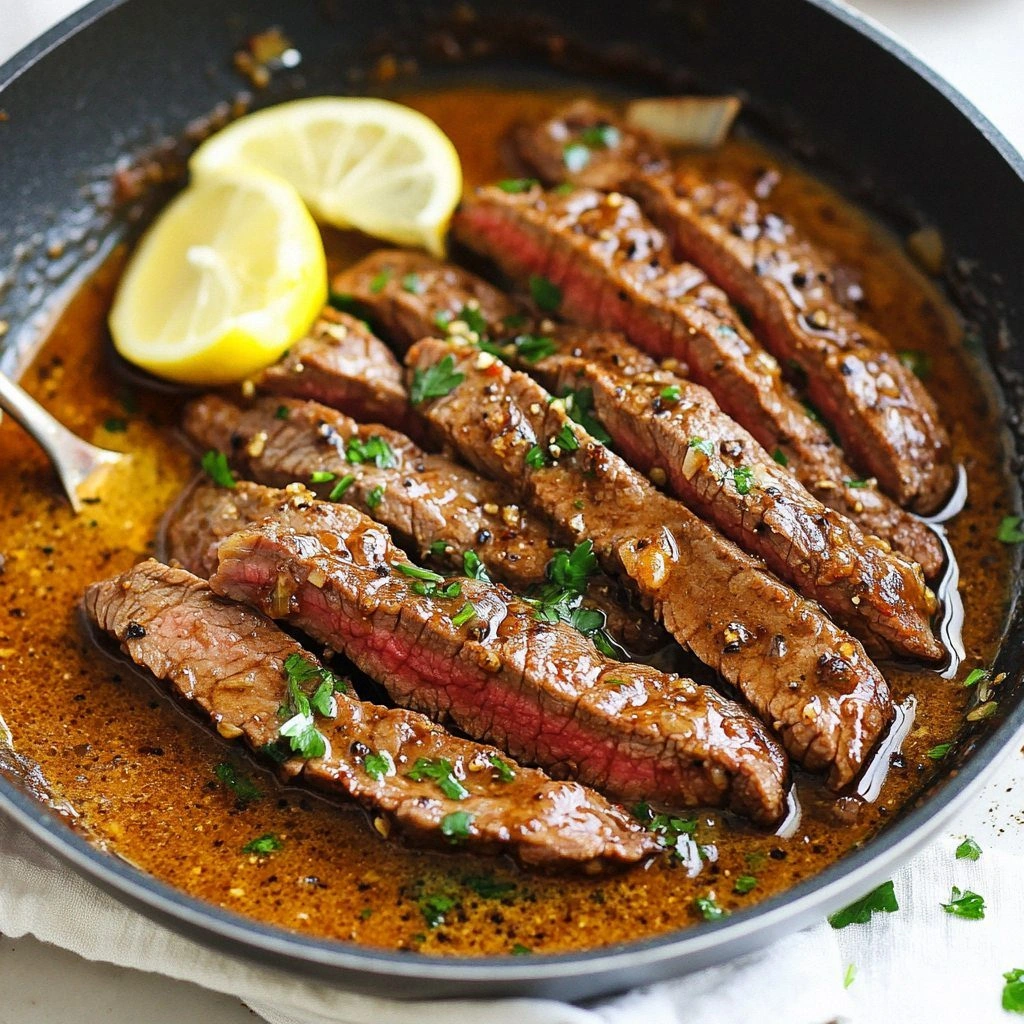
The Method — Step by Step
- Prep the Steak: Pat the ribeye steaks dry with paper towels. This step is crucial because moisture on the surface prevents proper searing. Season both sides liberally with salt and freshly ground black pepper. Let the steaks sit at room temperature for 15 minutes to ensure even cooking.
- Heat the Skillet: Place a cast‑iron skillet on the stove and turn the heat to high. Let it preheat for about 2–3 minutes until it’s smoking hot. A hot pan creates a beautiful crust and prevents the steak from steaming.
- Seared the Steak: Add 2 tablespoons of olive oil to the skillet, swirling to coat the bottom. Carefully lay the steak in the pan, laying it away from you to avoid splattering. Sear for 3–4 minutes on the first side until a golden crust forms. Flip the steak and sear the other side for 3–4 minutes.
- Add Butter and Aromatics: Reduce the heat to medium. Add 4 tablespoons of unsalted butter, 2 minced garlic cloves, 2 finely diced shallots, and 4 sprigs of thyme to the pan. Let the butter melt and foam, then let the aromatics soften for 2 minutes. The garlic should turn golden, not brown.
- Deglaze the Pan: Pour 1/4 cup of dry white wine into the skillet. Stir vigorously to scrape up the browned bits from the bottom. The wine should reduce by about half, concentrating its flavors.
- Finish with Dijon Mustard: Stir in 1 teaspoon of Dijon mustard. This step emulsifies the sauce, giving it a silky texture. Let the sauce simmer for 1–2 minutes until it thickens slightly.
- Finish with Lemon Juice: Remove the skillet from heat and squeeze 1 teaspoon of fresh lemon juice into the sauce. The acidity brightens the butter and balances the richness. Taste and adjust seasoning if needed.
- Rest the Steak: Transfer the steak to a cutting board and let it rest for 5 minutes. Resting allows the juices to redistribute, ensuring a juicy center. Slice against the grain for maximum tenderness.
- Serve: Plate the sliced steak, spoon the buttery sauce over the top, and garnish with a few fresh thyme sprigs for a final flourish. Serve immediately with your favorite sides, such as mashed potatoes or a crisp green salad.
That’s it — you did it. But hold on, I've got a few more tricks that'll take this to another level. Trust me, these small adjustments can turn an already amazing dish into a showstopper.
Insider Tricks for Flawless Results
The Temperature Rule Nobody Follows
Most people cook steak on medium heat, but a high‑heat sear is what creates that coveted crust. Use a cast‑iron skillet and preheat it until it’s smoking. This high temperature caramelizes the surface quickly, locking in juices. If you’re using a non‑stick pan, the heat will be lower, so increase the searing time by a minute or two.
Why Your Nose Knows Best
When the butter starts to brown, the aroma will shift from sweet to nutty. That’s the cue that the butter is ready. The scent is an early warning system that tells you the sauce is developing depth. If you wait too long, the butter will burn, turning the sauce bitter.
The 5-Minute Rest That Changes Everything
Resting the steak is not optional; it’s essential. During the rest period, the muscle fibers relax, allowing the juices to redistribute. Cutting the steak immediately after cooking results in a dry center. A 5‑minute rest is enough for most 1.5‑inch steaks.
Keep the Pan Clean
After searing, remove any excess fat from the pan before adding the butter. Excess fat can cause the butter to brown too quickly. A clean pan ensures the sauce develops a smooth, velvety texture.
Use Fresh Herbs, Not Dried
Fresh thyme and rosemary release more flavor than dried equivalents. The oils in fresh herbs are more volatile, giving the sauce a bright, green aroma. If you must use dried herbs, use only a fraction of the amount to avoid a bitter taste.
Creative Twists and Variations
This recipe is a playground. Here are some of my favorite ways to switch things up:
Spicy Sriracha Butter
Add 1 tablespoon of sriracha to the butter during the final steps. The heat pairs beautifully with the richness, creating a spicy, savory sauce. This variation is perfect for those who love a kick. Serve with a cool cucumber salad to balance the heat.
Herb‑Infused Olive Oil
Infuse olive oil with rosemary and thyme before searing. Heat the oil gently with the herbs for 5 minutes, then strain. Use this oil for searing to add an extra layer of herbal flavor. The result is a more aromatic crust.
Red Wine Reduction
Swap the dry white wine for a splash of dry red wine, such as Pinot Noir. The deeper color and richer flavor give the sauce a more robust profile. Reduce the sauce further for a thicker consistency that clings to the steak.
Smoky Chipotle Butter
Blend 1 teaspoon of chipotle in adobo sauce into the butter. The smoky heat complements the steak’s natural flavor. This version works great with a side of smoky roasted sweet potatoes.
Garlic‑Butter Marinade
Marinate the steak in a mixture of butter, minced garlic, and lemon zest for 30 minutes before cooking. This pre‑seasoning deepens the flavor and ensures the steak stays juicy. The result is a buttery, garlicky crust that’s unforgettable.
Vegetarian “Steak” with Seared Portobello
Use large Portobello mushroom caps as a vegetarian substitute. Season them the same way as steak, then sear until caramelized. Finish with the same butter sauce. The earthy mushroom flavor pairs wonderfully with the buttery glaze.
Storing and Bringing It Back to Life
Fridge Storage
Cool the steak completely before refrigerating. Store it in an airtight container or wrap it tightly in foil. The steak will keep for up to 3 days in the fridge. When reheating, gently warm it in a skillet over low heat to preserve moisture.
Freezer Friendly
For longer storage, freeze the steak in a freezer‑safe bag, removing as much air as possible. Label the bag with the date and freeze for up to 3 months. Thaw overnight in the fridge before reheating. This method keeps the steak’s texture intact.
Best Reheating Method
Reheat the steak in a preheated oven at 250°F (120°C) for 10–15 minutes, or until warmed through. Finish by searing it again for a minute on each side to restore the crust. Add a splash of water or broth to the pan to create steam, keeping the steak moist and flavorful.
Add a tiny splash of water before reheating, and it steams back to perfection. The water prevents the steak from drying out and helps re‑emulsify the sauce, giving you that silky finish every time.