I was standing in my kitchen, the clock ticking past midnight, and the only thing louder than the ticking was the growl in my stomach. I had just burned a batch of store‑bought meatballs and the smoke alarm was screaming like a disgruntled neighbor. In that chaotic moment I made a reckless bet with my roommate: “If I can turn this disaster into something unforgettable, you’ll do the dishes for a week.” I accepted the challenge, rummaged through the pantry, and pulled out a dusty jar of smoked paprika that had been hiding behind the cumin for years. The result? A Moroccan‑spiced meatball that turned my kitchen into a Marrakech street market, and trust me, I dare you to taste this and not go back for seconds.
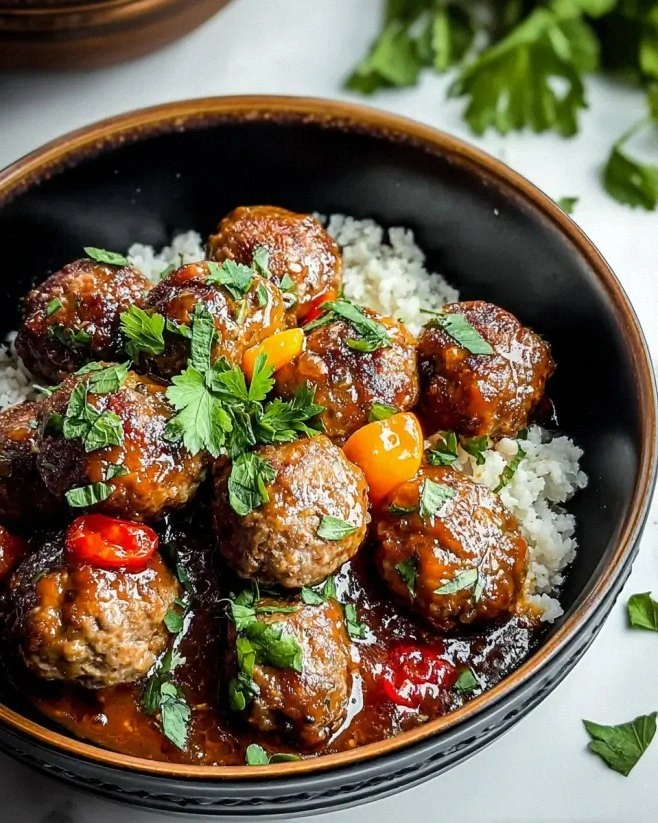
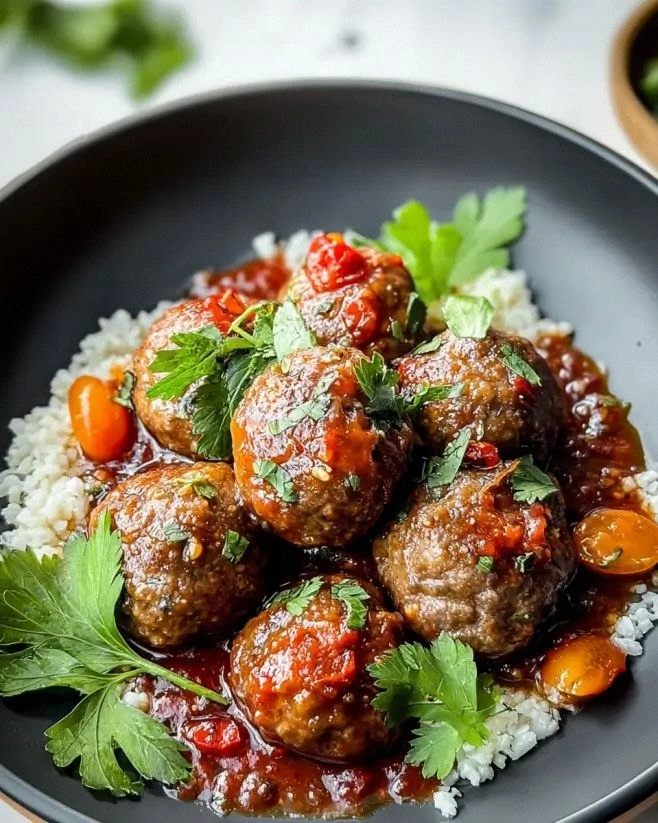
Picture this: the sizzle of olive oil hitting a hot skillet, the aroma of cumin and cinnamon swirling together like a warm blanket on a chilly night, the bright green parsley popping up like confetti in a sea of deep, caramelized brown. The first bite delivers a burst of smoky heat that dances on the tongue, then mellows into a sweet‑savory hug from honey and tomato sauce. You can practically hear the spices whispering to each other, “We’ve got this.” The texture is a perfect contradiction—soft, juicy interiors that give way to a lightly crisped exterior, like biting into a cloud that’s been toasted just enough to develop a golden crust.
Most recipes get this completely wrong. They either drown the meat in sauce, losing the bite, or they bake the balls flat, sacrificing that coveted crunch. I’ve spent weeks tweaking ratios, testing heat levels, and even arguing with my own taste buds to arrive at a formula that balances heat, sweetness, and depth without any one element stealing the spotlight. The secret? A splash of broth added at the very end, a drizzle of honey that caramelizes just enough, and a brief sear before the slow simmer. It’s hands down the best version you’ll ever make at home, and it’s simple enough that even a kitchen rookie can nail it.
Okay, ready for the game‑changer? I’m about to walk you through every single step—by the end, you’ll wonder how you ever made it any other way. I’ll spill the beans on the one ingredient most people overlook (hint: it’s not a spice), and I’ll share a few hacks that will save you time and keep your meatballs from falling apart. Stay with me here — this is worth it.
What Makes This Version Stand Out
- Flavor Explosion: The combination of cumin, cinnamon, and smoked paprika creates a layered taste that evolves with every bite, like a story that keeps revealing new chapters.
- Juicy Core: Adding a splash of broth right before the final simmer locks in moisture, ensuring each ball stays tender and succulent.
- Sweet Heat Balance: A tablespoon of honey tempers the cayenne, giving the dish a subtle caramel note that feels like a hug after a spicy punch.
- Simple Prep: All the ingredients are pantry staples; you won’t need a trip to a specialty store, which means you can start this adventure tonight.
- Crowd‑Pleaser: Whether you serve them as an appetizer, a main course, or a party snack, they disappear faster than you can say “shukran.”
- Make‑Ahead Friendly: The meatballs freeze beautifully, and the sauce reheats like a dream, making leftovers practically a new meal.
- Versatile Protein: Use beef for richness or lamb for a more authentic North‑African flair; both work perfectly with the spice blend.
- Visual Appeal: The deep mahogany color against a bright tomato sauce is Instagram‑ready without any extra effort.
Inside the Ingredient List
The Flavor Base
Ground beef or lamb is the heart of this dish. I prefer a mix of 70% beef and 30% lamb because the beef gives body while the lamb adds that unmistakable, earthy aroma that screams “Morocco.” If you’re avoiding red meat, you can swap in ground turkey, but you’ll lose some of the depth that makes these balls unforgettable. When selecting your meat, look for a blend that has a little fat—about 15% is ideal—because that fat renders during cooking, keeping the balls moist and flavorful.
The Texture Crew
Breadcrumbs act like a sponge, soaking up the juices and preventing the meat from becoming too dense. I use fresh‑made breadcrumbs for extra crunch, but store‑bought works fine if you toast them lightly first. Fresh parsley isn’t just for color; its bright, slightly peppery bite cuts through the richness of the meat, balancing the palate. Finely chopped onion and garlic provide a savory foundation, releasing sugars that caramelize during the sear, creating those sweet, nutty notes you crave.
The Unexpected Star
Honey might raise eyebrows, but a single tablespoon creates a glossy glaze that caramelizes during the final simmer, adding a subtle sweetness that counters the cayenne’s heat. The can of tomatoes (preferably fire‑roasted) brings acidity and a smoky undertone, while the broth adds a silky richness without watering down the sauce. If you’re vegan, swap the broth for vegetable stock and use a plant‑based “egg” binder; the flavor profile remains largely intact.
The Final Flourish
Olive oil is the medium that initiates the Maillard reaction, giving the meatballs that coveted crust. The spices—cumin, cinnamon, smoked paprika, and cayenne—are the true heroes, each contributing a distinct layer: cumin for earthiness, cinnamon for warmth, smoked paprika for depth, and cayenne for that tongue‑tingling kick. Salt and black pepper are the universal enhancers, amplifying every other flavor. Together, they transform a simple meatball into a culinary passport to the bustling souks of Marrakech.
Everything's prepped? Good. Let's get into the real action...
The Method — Step by Step
In a large mixing bowl, combine the ground meat, breadcrumbs, parsley, onion, and minced garlic. I like to use my hands because it lets you feel the texture; if you’re nervous, a sturdy spoon works too. Sprinkle in the cumin, cinnamon, smoked paprika, cayenne, salt, and black pepper. Mix until everything is evenly distributed, but stop before the mixture becomes a sticky paste—over‑mixing can make the meat tough.
Kitchen Hack: Chill the mixture for 20 minutes; the fats solidify slightly, making it easier to roll perfect spheres.Crack the egg into a small bowl, beat it lightly, then drizzle it over the meat mixture. The egg acts as a binder, ensuring the balls hold together during cooking. Using a spoon, scoop out about two tablespoons of mixture and roll it between your palms to form a uniform ball—roughly the size of a golf ball. Place each ball on a parchment‑lined tray; this prevents sticking and makes cleanup a breeze.
Heat the olive oil in a heavy skillet over medium‑high heat. When the oil shimmers, gently lay the meatballs in a single layer, giving them enough space to breathe. Let them sear undisturbed for 3‑4 minutes; you’ll hear a satisfying sizzle that signals the Maillard reaction is in full swing. Flip them once the undersides turn a deep, mahogany brown—this is the moment of truth.
Watch Out: If the pan gets too hot, the exterior will burn before the interior cooks through. Adjust the heat to medium if you see dark specks forming.Once all sides have a gorgeous crust, pour the canned tomatoes over the meatballs, making sure each ball is partially submerged. Add the half‑cup of broth, then drizzle the honey across the surface. The broth will thin the sauce just enough to coat the balls without drowning them, while the honey begins to caramelize, creating a glossy sheen.
Reduce the heat to low, cover the skillet, and let the meatballs simmer for 15‑20 minutes. You’ll notice the sauce thickening and the aromas intensifying; this is where the flavors meld into a harmonious whole. Occasionally give the pan a gentle shake to prevent sticking, but avoid stirring too vigorously—your meatballs should stay intact.
After simmering, uncover the pan and increase the heat to medium‑high for another 5 minutes. This final reduction concentrates the sauce, allowing the honey to caramelize into a subtle glaze that clings to each ball. Taste the sauce; if you crave a bit more heat, sprinkle a pinch of extra cayenne, but remember, balance is key.
Turn off the heat and let the meatballs rest for 5 minutes. This brief pause lets the juices redistribute, guaranteeing that each bite is juicy rather than dry. While they rest, garnish with a handful of fresh parsley for a pop of color and a final burst of herbaceous freshness.
Kitchen Hack: For an extra layer of flavor, drizzle a teaspoon of preserved lemon oil just before serving.Serve the meatballs hot, spooning generous amounts of the sauce over them. Pair them with fluffy couscous, a crisp salad, or simply enjoy them straight from the pan. Picture yourself pulling this out of the skillet, the whole kitchen smelling incredible, and your guests reaching for seconds before you’ve even taken your first bite. This next part? Pure magic.
Insider Tricks for Flawless Results
The Temperature Rule Nobody Follows
Most home cooks crank the heat to “high” hoping to speed things up, but that ruins the Maillard reaction and leaves the interior undercooked. Keep your skillet at a steady medium‑high; you’ll hear a steady sizzle, not a frantic pop. The secret is patience: a good sear takes about 3‑4 minutes per side, and that golden crust is what locks in moisture. I once tried a “quick‑fire” method and ended up with meatballs that were burnt on the outside and raw in the middle—lesson learned.
Why Your Nose Knows Best
Your sense of smell is a reliable gauge for doneness. When the sauce starts to smell sweet and caramelized, you’re nearing the perfect reduction. If you detect a raw meat scent, give it another minute or two. Trusting your nose saves you from over‑cooking, which can make the meat dry. I’ve found that a quick sniff test beats any timer when it comes to sauces that need that final glaze.
The 5‑Minute Rest That Changes Everything
Resting isn’t just for steaks. Letting the meatballs sit off the heat for five minutes lets the internal juices settle, preventing them from spilling out when you bite in. This tiny pause can transform a good dish into a great one. I once served meatballs straight from the pan and watched them lose steam like a deflating balloon—no one wants that. So, respect the rest; it’s a game‑changer.
Honey’s Hidden Power
Honey does more than sweeten; it aids in caramelization, giving the sauce a glossy finish. Add it early enough to melt, but not so early that it burns. If you’re allergic or vegan, swap in maple syrup; the flavor will shift slightly but the caramel effect remains. I’ve experimented with agave and found it less viscous, which changes the sauce texture—a subtle nuance worth noting.
The “One‑Pan” Miracle
Cooking the meatballs and sauce in the same pan eliminates the need for extra dishes and lets the meat absorb sauce flavors directly. The only trick is to ensure there’s enough liquid after searing; otherwise, the pan will scorch. If you notice the sauce thickening too fast, splash in a splash more broth. This method keeps everything cohesive and saves you from a mountain of cleanup.
Creative Twists and Variations
This recipe is a playground. Here are some of my favorite ways to switch things up:
Mediterranean Veggie Boost
Swap half the meat for finely grated zucchini and carrot. The veggies add moisture and a subtle sweetness, while the spices still dominate. Great for those who want to sneak in extra veg without compromising flavor.
Spicy Harissa Kick
Replace the cayenne with a tablespoon of harissa paste. Harissa brings a smoky, fermented heat that deepens the flavor profile, making the dish perfect for cold evenings.
Sweet‑And‑Savory Pineapple
Add diced pineapple to the tomato sauce during the simmer. The fruit’s acidity balances the honey, creating a tropical twist that pairs wonderfully with a side of coconut rice.
Herb‑Infused Variation
Introduce fresh mint and cilantro into the meat mixture, and finish with a drizzle of yogurt sauce. The fresh herbs cut through the richness, offering a refreshing contrast.
Cheesy Surprise
Stuff each meatball with a cube of feta before sealing. As the meat cooks, the feta softens, creating a molten, salty core that bursts with each bite.
Storing and Bringing It Back to Life
Fridge Storage
Place cooled meatballs in an airtight container, pour any remaining sauce over them, and store in the refrigerator for up to four days. The sauce acts as a barrier, preventing the meat from drying out. When you’re ready to eat, gently reheat in a skillet over low heat, adding a splash of broth if the sauce looks thick.
Freezer Friendly
Freeze the meatballs (with sauce) in a single layer on a parchment sheet, then transfer to a zip‑top bag. They’ll keep for three months. To reheat, thaw overnight in the fridge, then simmer gently until heated through, adding a tablespoon of water to revive the sauce’s silkiness.
Best Reheating Method
The stovetop is king. Warm a shallow pan over medium heat, add a drizzle of olive oil, and toss the meatballs until they’re hot and the sauce glistens again. If you’re in a rush, the microwave works, but you’ll lose the crisp exterior. A tiny splash of water before reheating ensures the sauce steams back to perfection, keeping the texture just right.