It started on a rainy Thursday when I stared at the blinking oven display, feeling the same old dread that comes from a burnt toast mishap. I had a craving for something that could lift my spirits and the kitchen, and the thought of a Mediterranean-inspired breakfast felt like a secret treasure. I was determined to create a dish that would make the whole house smell like a sunny coastal market, with the crunch of tomatoes, the briny tang of feta, and the gentle warmth of eggs. I dared myself to turn a simple one-pan recipe into an unforgettable feast that would have guests begging for seconds.
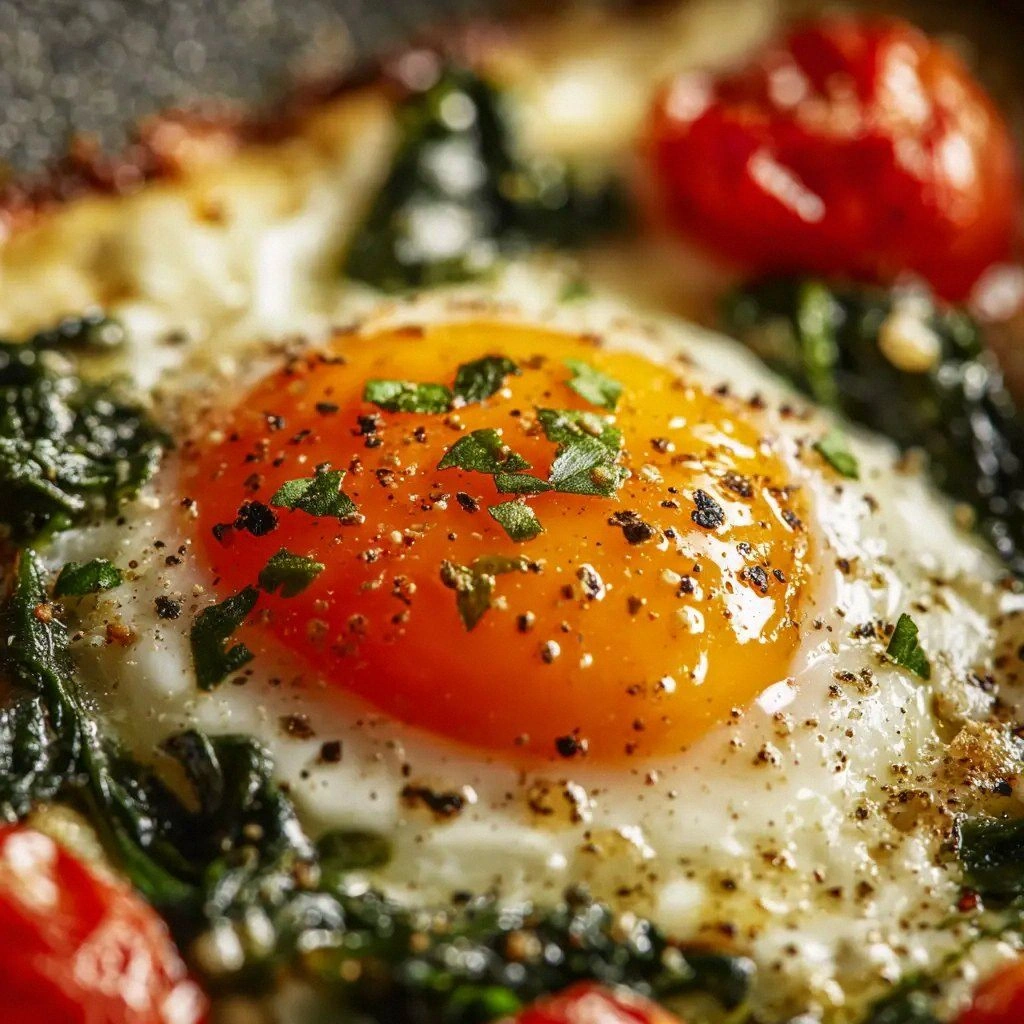
Picture the scene: the sizzling olive oil greets the shallot and garlic, releasing a fragrant steam that fills the room, while the bell pepper slices dance in the pan like bright confetti. The cherry tomatoes burst open, releasing a sweet, tangy burst that mingles with the aromatic oregano and pepper flakes, creating a symphony of flavors that tickles the palate. The feta block sits in the center, its salty surface cracking under the heat, slowly melting into a golden, gooey center. As the eggs crack over the melting cheese, they swirl and mingle, forming a rich, custard-like coating that clings to each bite. The final touch of fresh parsley adds a burst of green freshness, cutting through the richness like a cool breeze.
What makes this version stand out is that it’s not just a recipe—it's a culinary experience. The feta is baked until it’s perfectly golden on the edges but still creamy inside, offering a contrast that most recipes miss. The tomatoes are roasted in the pan, releasing their juices and thickening the sauce without the need for additional liquids. The eggs are folded in just before the finish, ensuring they set without overcooking, giving you a silky texture that melts in your mouth. I dare you to taste this and not go back for seconds; it’s that addictive. If you’ve ever struggled with breakfast that’s both hearty and quick, you’re not alone—this recipe solves that dilemma with a single pan.
Let me walk you through every single step—by the end, you’ll wonder how you ever made it any other way.
What Makes This Version Stand Out
- Flavor: The combination of roasted tomatoes, oregano, and feta creates a depth of flavor that feels both rustic and refined. The natural sweetness of the tomatoes balances the briny feta, while the oregano adds an earthy aroma that lingers on the tongue.
- Texture: The eggs set into a silky custard that clings to the feta, while the feta remains slightly molten in the center, providing a luxurious mouthfeel. The tomatoes stay juicy, not mushy, thanks to the short roasting time.
- Convenience: All the ingredients are cooked in one pan, reducing cleanup to a single dish. The prep is straightforward, making it a perfect weekend brunch or a quick weekday meal.
- Uniqueness: Most Mediterranean breakfasts lean toward simple omelets or shakshuka. This recipe elevates the concept by incorporating a block of feta that bakes into the eggs, creating a centerpiece that is both visual and flavorful.
- Crowd Reaction: The dish is a crowd-pleaser at gatherings; guests often remark on how the flavors mingle in unexpected ways. It’s a conversation starter and a comfort food rolled into one.
- Ingredient Quality: Using a high‑quality extra virgin olive oil and a fresh block of feta elevates the dish, turning ordinary ingredients into extraordinary results.
- Cooking Method: Baking the feta with the eggs allows the flavors to meld, creating a cohesive dish that feels like a single, harmonious bite.
- Make‑Ahead Potential: The dish can be prepped in advance; just assemble the ingredients and bake when ready. The flavors deepen over time, making it a great make‑ahead breakfast.
Inside the Ingredient List
The Flavor Base
The olive oil is the foundation that carries all the flavors. It should be a high‑quality extra virgin olive oil, as it adds a fruity, peppery note that enhances the Mediterranean vibe. If you’re on a budget, a light olive oil will still work, but you’ll miss the depth that comes from a premium variety. The shallot and garlic provide a subtle sweetness and aromatic backbone; chopping them finely ensures they cook quickly and release their full flavor.
The oregano is the herb that ties everything together. A teaspoon of dried oregano is enough to give the dish an authentic Mediterranean aroma. If you prefer fresh oregano, use a tablespoon, but be aware that fresh herbs can wilt quickly; add them toward the end of cooking to preserve their bright flavor.
The Texture Crew
The block of feta is the star of the show. A 7‑oz block provides enough cheese to create a molten center while still holding its shape. The feta’s salty profile balances the sweetness of the tomatoes and the richness of the eggs. If you’re vegan or lactose intolerant, a plant‑based feta alternative can mimic the texture, but the flavor profile will differ.
The eggs are the binding agent that transforms the dish from a simple salad into a hearty breakfast. Four large eggs provide a protein punch and a creamy texture that clings to the feta. Crack the eggs directly onto the pan to avoid any contamination from other surfaces. The eggs should be added toward the end of cooking to ensure they set just right—too early and they’ll overcook.
The Unexpected Star
The cherry tomatoes are more than just a garnish; they’re a burst of sweetness that caramelizes in the pan. A pint of cherry tomatoes provides enough volume to coat the feta and eggs, creating a juicy sauce that coats everything like velvet. If you can’t find cherry tomatoes, use regular tomatoes diced into small pieces; the texture will be slightly different but still delicious.
The red bell pepper adds a sweet crunch and a pop of color that makes the dish visually stunning. It also provides a subtle peppery note that complements the oregano and the feta’s saltiness. Slice the pepper into thin strips so it cooks quickly and doesn’t become soggy.
The Final Flourish
Fresh parsley is the finishing touch that adds a bright, herbal note. A tablespoon of chopped parsley not only enhances the flavor but also gives the dish a fresh green contrast to the warm tones of feta and tomatoes. If you’re out of parsley, a pinch of dill or basil can work as a substitute, but the flavor will shift slightly.
Crusty bread or pita is essential for soaking up the savory sauce. Serve the dish with a side of warm, crusty bread or warm pita to mop up the melted feta and tomato sauce. The bread should be toasted just enough to hold its shape but soft enough to bite into. If you prefer a gluten‑free option, try a gluten‑free baguette or a rice‑based flatbread.
Everything's prepped? Good. Let's get into the real action…
The Method — Step by Step
- Preheat and Prepare: Set your oven to 375°F (190°C) while you gather your ingredients. Place a medium‑sized oven‑safe skillet (preferably cast iron) on the stove over medium heat. Add the two tablespoons of extra virgin olive oil and let it shimmer, but not smoke. This step ensures the pan is hot enough to sear the veggies instantly.
- Cook the Aromatics: Slice the shallot thinly and mince the garlic finely. Add them to the pan, stirring constantly for about 2 minutes until they become translucent and fragrant. The aroma should be sweet and buttery—if it smells like burnt garlic, the oil is too hot. This is the moment your kitchen will start to smell like a Mediterranean market.
- Add the Bell Pepper and Tomatoes: Toss in the sliced red bell pepper and the whole cherry tomatoes. Sprinkle the dried oregano, red pepper flakes, and black pepper over the mixture. Stir to coat everything evenly. Let the vegetables cook for 5 minutes, or until the peppers soften and the tomatoes start to blister and release their juices. The sauce should thicken slightly.
- Introduce the Feta: Place the block of feta in the center of the pan, cutting it into a 1‑inch thick slice if it’s too large. The feta should sit on top of the vegetable bed, with the olive oil and tomato juices pooling around it. This creates a molten center when baked. Let the feta sit for 2 minutes so it starts to soften.
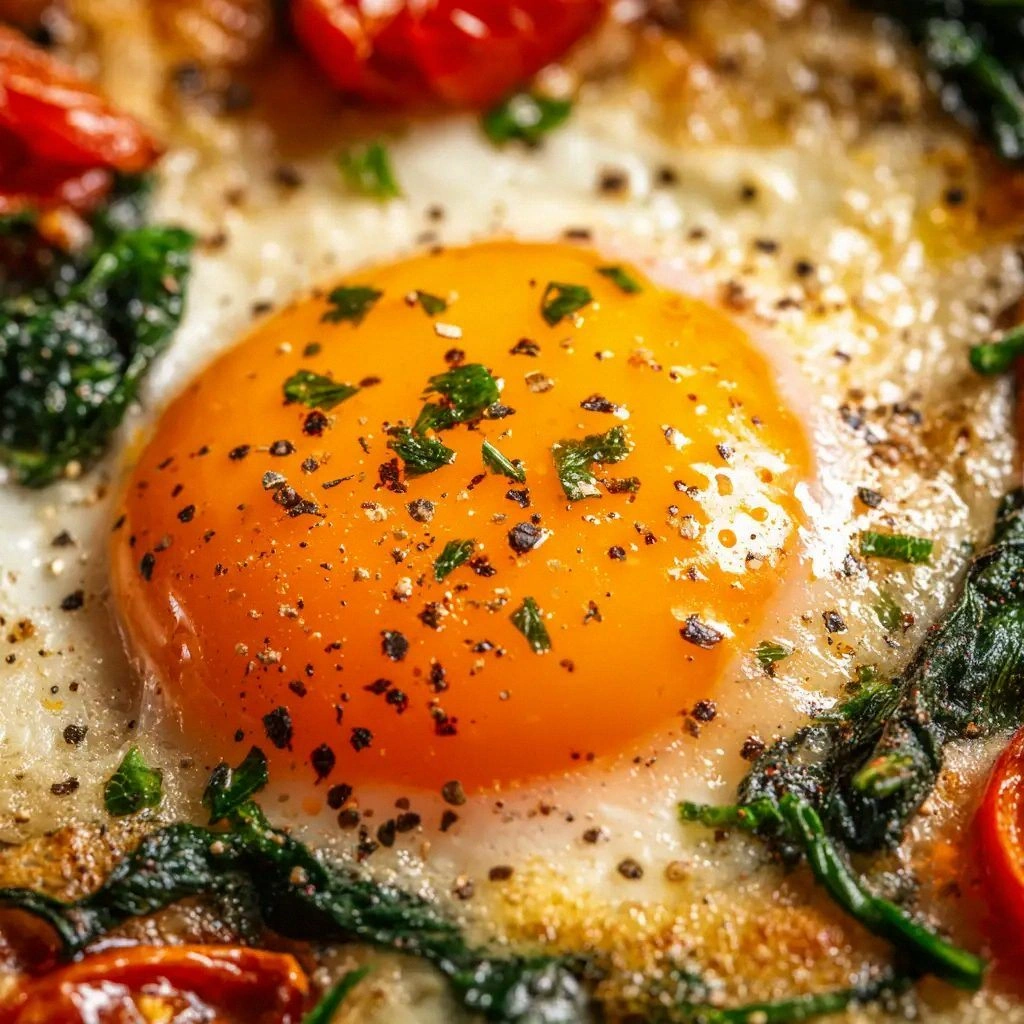
- Crack the Eggs: Carefully crack each egg over the feta, spacing them evenly. The eggs should sit on top of the feta, allowing the heat to gently cook them. If you prefer a slightly runny yolk, crack the eggs early; if you want them fully set, wait a minute before adding them.
- Bake to Perfection: Transfer the skillet to the preheated oven. Bake for 12–15 minutes, or until the eggs are set to your liking and the feta edges are golden brown. The sauce should bubble gently, and the edges of the feta should pull away from the pan. Keep an eye on the eggs; the moment they start to firm up is the moment of truth.
- Finish with Parsley: Remove the skillet from the oven and sprinkle the fresh parsley over the top. The parsley adds a burst of color and a fresh, herbal finish that cuts through the richness. Let it sit for a minute so the parsley softens slightly.
- Serve Immediately: Slice the skillet in half and serve hot, accompanied by crusty bread or warm pita on the side. The bread should be dipped into the molten feta and tomato sauce, creating a flavor explosion. If you prefer a more plated presentation, spoon the mixture into individual bowls and add extra parsley on top.
That's it — you did it. But hold on, I've got a few more tricks that'll take this to another level…
Insider Tricks for Flawless Results
The Temperature Rule Nobody Follows
Many cooks start the pan at high heat, causing the vegetables to burn before they soften. I recommend starting at medium heat and letting the oil heat up gradually. This approach ensures even cooking and prevents the feta from scorching. When the oil glistens, it’s the perfect cue to add the aromatics.
Why Your Nose Knows Best
Before you add the feta, pause and inhale the aroma of the tomato and pepper mixture. If it smells sweet and slightly smoky, you’re ready to add the feta. This sensory checkpoint guarantees you’re not adding the feta too early, which could lead to over‑browning.
The 5‑Minute Rest That Changes Everything
After removing the skillet from the oven, let the dish rest for five minutes. During this time, the residual heat continues to cook the eggs, resulting in a perfectly set yolk without overcooking. The rest also allows the feta to settle, making it easier to slice and serve.
Use a Cast‑Iron Skillet
Cast‑iron retains heat better than stainless steel, ensuring a consistent cooking temperature. It also adds a subtle flavor that enhances the Mediterranean profile. If you don’t have cast iron, a heavy‑bottomed skillet works as well.
Add a Splash of Water Before Reheating
If you’re reheating leftovers, add a tablespoon of water to the pan before microwaving. This small amount of moisture prevents the feta from drying out and keeps the sauce silky. The steam created during reheating will also help re‑melt the feta.
Creative Twists and Variations
This recipe is a playground. Here are some of my favorite ways to switch things up:
Smoky Chipotle Feta
Replace the red pepper flakes with a teaspoon of chipotle powder for a smoky, spicy kick. The chipotle adds depth and pairs well with the feta’s saltiness. Serve with a drizzle of lime juice for a zesty finish.
Mediterranean Mushroom Medley
Add sliced mushrooms to the pan with the bell pepper. The earthy flavor complements the tomatoes and feta. Cook until the mushrooms release their moisture and then proceed as usual.
Herbed Goat Cheese Variation
Swap feta for goat cheese to achieve a tangier, creamier texture. Goat cheese melts differently, creating a more fluid sauce. Pair with fresh mint for an extra layer of flavor.
Pesto‑Infused Delight
Stir in a tablespoon of basil pesto before adding the feta. The pesto adds a green, herbal richness that elevates the dish. It also gives a fresh, bright note that contrasts the roasted tomatoes.
Quinoa Breakfast Bowl
Serve the baked feta and eggs over a bed of cooked quinoa instead of bread. The quinoa adds protein and a nutty flavor. Top with extra parsley and a squeeze of lemon for a Mediterranean twist.
Vegan Eggless Version
Use a vegan egg replacer or chickpea flour batter to create a plant‑based custard. The batter should be poured over the feta and vegetables just before baking. This version maintains the same flavor profile while being fully plant‑based.
Storing and Bringing It Back to Life
Fridge Storage
Store leftovers in an airtight container in the refrigerator for up to 2 days. The feta will firm up slightly, but the sauce will stay creamy. When ready to eat, reheat in the oven at 350°F (175°C) for 10 minutes or in the microwave for 2 minutes.
Freezer Friendly
To freeze, separate the feta from the eggs and sauce. Place the feta in a freezer bag and the sauce in a separate container. Freeze for up to 3 months. Thaw overnight in the refrigerator and reheat gently.
Best Reheating Method
Reheat in a skillet over medium heat, adding a splash of water or broth to keep the feta moist. Stir occasionally so the sauce doesn’t burn. The goal is to warm the dish without overcooking the eggs.