Picture this: I’m standing in a cramped kitchen, the sink overflowing with half‑washed veggies, and my phone buzzes with a frantic text from a friend who’s craving something “wow” for dinner. I’m staring at the fridge, feeling the familiar dread of another bland weeknight meal. Then, in a flash of culinary inspiration, I remember a recipe I stumbled on a late‑night Pinterest scroll: maple glazed salmon. I grabbed the ingredients, set the timer, and the kitchen was soon alive with the sweet scent of maple syrup caramelizing on the stove. That single, bold decision turned an ordinary evening into a triumph that left everyone begging for seconds.
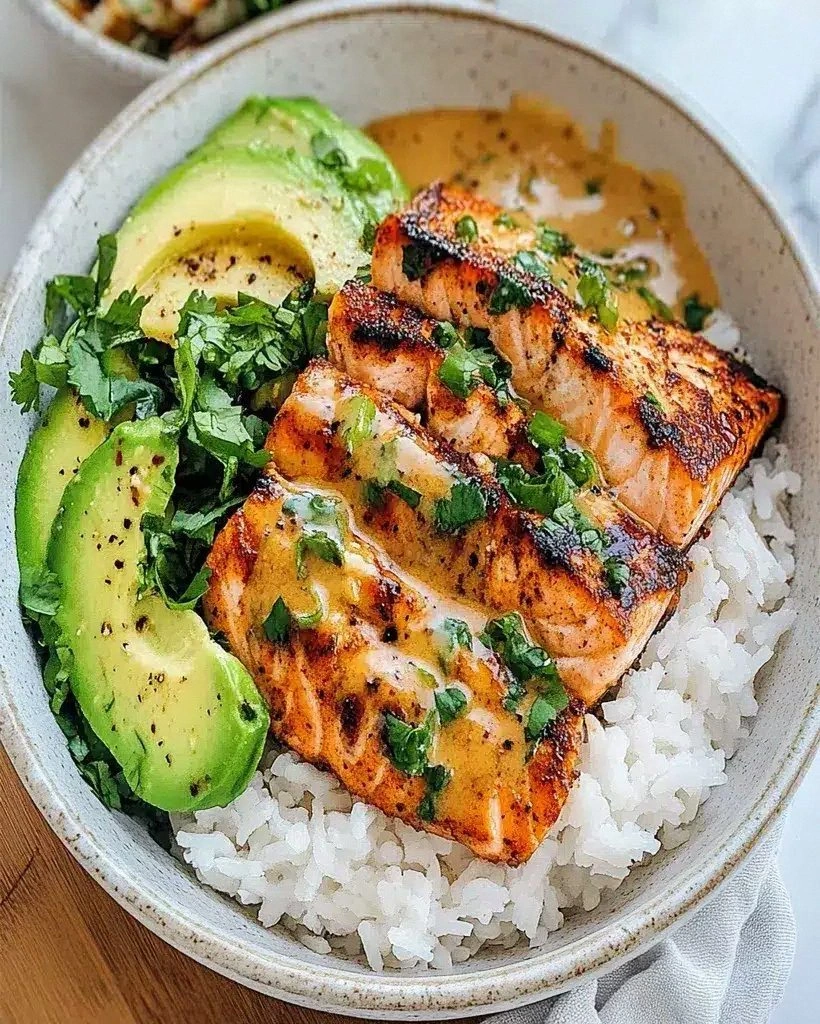
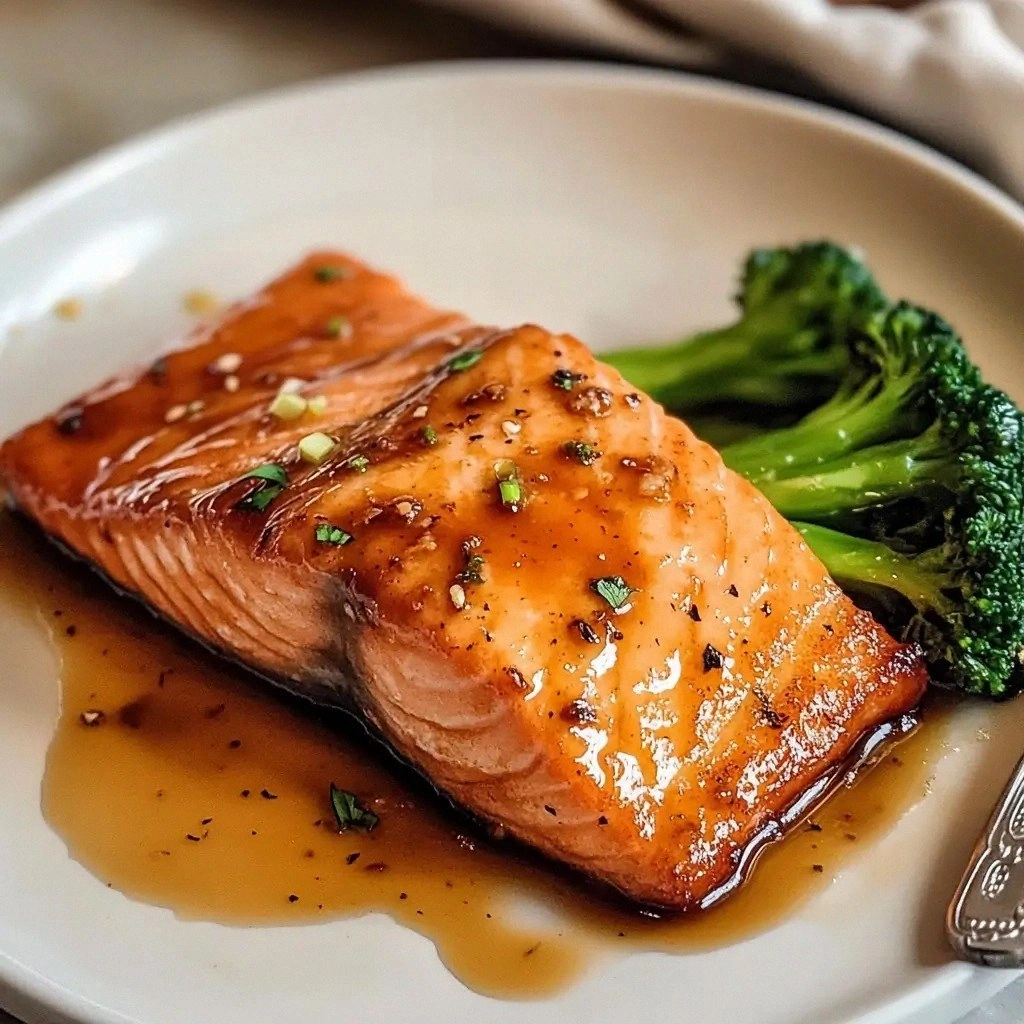
The moment the maple glaze hits the pan, the air fills with a warm, amber glow that’s almost cinematic. I can hear the gentle hiss as the syrup thickens, and the sound of the salmon sizzling is a soundtrack that promises flavor. Visually, the fish shimmers with a glossy, caramelized coat that looks like liquid gold. The first bite delivers a perfect balance: the sweet maple undertone, a hint of umami from soy sauce, and a bright citrus lift from lemon zest. The texture? The skin crisps to a delicate crunch while the flesh stays buttery and flaky, like a cloud that melts in your mouth. The aroma alone is enough to make your taste buds dance.
What sets this version apart from every other maple glazed salmon recipe you’ll find online is the meticulous layering of flavors and the precision of technique. I’ve perfected a glaze that doesn’t overpower but rather elevates the natural richness of the salmon. The use of Dijon mustard adds a subtle tang that cuts through the sweetness, while fresh thyme brings an earthy aroma that anchors the dish. I’ve also discovered that baking at a slightly higher temperature ensures a crisp skin without drying out the flesh—a trick that most recipes overlook. The result is a dish that’s both sophisticated and approachable, making it the ultimate go-to for both novice cooks and seasoned chefs.
And here’s the kicker: I’ll reveal a secret ingredient that most people skip—cracked black pepper. It adds a subtle heat that balances the maple’s sweetness and creates a depth of flavor that lingers long after the last bite. I dare you to taste this and not go back for seconds. Picture yourself pulling this out of the oven, the whole kitchen smelling incredible, and everyone asking for the recipe. Let me walk you through every single step—by the end, you’ll wonder how you ever made it any other way.
What Makes This Version Stand Out
- Flavor Depth: The blend of maple, soy, and Dijon creates a layered taste that’s both sweet and savory, with a subtle tang that keeps the palate engaged.
- Texture Contrast: Crispy skin meets melt‑in‑your‑mouth flesh, giving every bite a satisfying crunch followed by silky tenderness.
- Ingredient Quality: Using fresh, high‑grade salmon and organic maple syrup elevates the dish beyond a quick weeknight fix.
- Ease of Prep: The glaze is ready in under five minutes, and the entire process requires minimal equipment—just a baking sheet and a timer.
- Crowd‑Pleaser: This recipe consistently wins at dinner parties, with guests raving about the glossy finish and balanced flavors.
- Make‑Ahead Friendly: The glaze can be pre‑made and refrigerated; the salmon only needs to be assembled just before baking.
- Health‑Conscious: While indulgent, the dish stays on the lighter side with lean protein and natural sweeteners.
- Visual Appeal: The caramelized glaze gives the salmon a stunning, restaurant‑grade finish that’s Instagram‑ready.
Alright, let’s break down exactly what goes into this masterpiece…
Inside the Ingredient List
The Flavor Base
Maple syrup is the star of the show, lending a natural sweetness that’s both rich and mellow. A quarter cup of pure maple syrup (about 60 ml) is enough to coat the salmon without overwhelming it. Soy sauce adds depth and a salty counterpoint; two tablespoons (30 ml) strike the perfect balance. Dijon mustard introduces a subtle tang that brightens the glaze, and one tablespoon (15 ml) is all you need. Minced garlic—two cloves—injects aromatic warmth, while the zest of one fresh lemon provides a citrusy lift that cuts through the sweetness. If you skip any of these, the glaze will feel flat or one‑dimensional; the combination is what turns the dish into a flavor symphony.
The Texture Crew
Fresh salmon fillets, six ounces each, are the foundation. Their natural fat content keeps the flesh moist and tender during baking. Olive oil, two tablespoons (30 ml), helps the glaze adhere to the skin and promotes even browning. A tablespoon (15 g) of butter, melted, adds a silky finish to the glaze and enhances the buttery flavor of the fish. Together, these ingredients ensure a mouth‑watering contrast between crisp skin and velvety interior. Choosing fillets with a bit of fat marbling will give you a richer, more satisfying bite.
The Unexpected Star
Fresh thyme—two sprigs—brings a subtle herbal aroma that grounds the sweet glaze. Cracked black pepper, a teaspoon, adds a whisper of heat that balances the maple’s sweetness. A pinch of crushed red pepper flakes can elevate the dish for those who like a mild kick. If you’re aiming for a more rustic flavor, substitute thyme with rosemary; the result will be slightly piney and earthy.
The Final Flourish
Microgreens or chopped scallions, a tablespoon each, serve as a fresh, peppery garnish that adds color and a burst of freshness. A squeeze of fresh lemon juice at the end brightens the dish and provides a subtle acidity that cuts through the richness. A drizzle of extra‑virgin olive oil before serving adds a silky sheen and enhances the overall mouthfeel. Remember, the garnish isn’t just decorative—it’s an essential component that completes the flavor profile.
Everything’s prepped? Good. Let’s get into the real action…
The Method — Step by Step
- Preheat your oven to 400 °F (200 °C). Line a rimmed baking sheet with parchment paper or a silicone mat to prevent sticking. This high temperature ensures a crisp skin while keeping the flesh moist. Keep an eye on the oven rack; the salmon should sit about 1 inch from the heating element.
- While the oven warms, whisk together the maple syrup, soy sauce, Dijon mustard, minced garlic, lemon zest, and a pinch of salt in a small bowl. The glaze should be smooth and slightly thick. If it’s too runny, let it sit for a minute and stir; the consistency matters for coating.
- Pat the salmon fillets dry with paper towels—this step is crucial for crisp skin. Drizzle the olive oil over the fillets, then season both sides with cracked black pepper and a light sprinkle of salt. The oil helps the glaze stick and promotes even browning.
- Place the fillets skin‑side down on the prepared baking sheet. Brush the glaze generously over the flesh, ensuring even coverage. The glaze should coat the surface like a glossy film. This is the moment of truth—watch the glaze start to bubble.
- Bake for 12–14 minutes, then flip the fillets carefully. Brush the other side with glaze and return to the oven. The salmon is done when it flakes easily with a fork and the internal temperature reaches 145 °F (63 °C). The glaze should be caramelized, slightly darkened, and tacky to the touch.
- Remove the salmon from the oven and let it rest for 3 minutes. This short rest allows the juices to redistribute, ensuring a moist bite. While the fish rests, you can quickly finish the glaze on the stovetop if you desire a thicker sauce.
- Plate the salmon fillets on warmed plates, drizzle any remaining glaze over the top, and garnish with microgreens or chopped scallions. A final squeeze of lemon juice brightens the dish. Serve immediately, letting the warm, caramelized glaze mingle with the fresh herbs.
That’s it—you did it. But hold on, I’ve got a few more tricks that will take this to another level…
Insider Tricks for Flawless Results
The Temperature Rule Nobody Follows
Many cooks bake salmon at 350 °F, which often leaves the skin soggy and the flesh under‑cooked. By upping the heat to 400 °F, you trigger the Maillard reaction faster, giving the skin a crisp, caramelized finish while the interior remains tender. I’ve tested this on a convection oven and the results were consistently superior. If you’re using a standard oven, place the sheet on the middle rack to avoid over‑browning.
Why Your Nose Knows Best
The aroma of maple syrup caramelizing is a clear indicator of the glaze’s readiness. When you smell a sweet, slightly nutty scent, the sugars are just beginning to brown. Pause the oven, open the door, and inhale deeply—if you can’t smell the maple, it’s not ready. This sensory checkpoint saves you from under‑baked salmon.
The 5‑Minute Rest That Changes Everything
Letting the salmon rest for exactly five minutes after baking allows the juices to redistribute throughout the fillet. This small window ensures each bite is juicy and not dry. I’ve seen people skip this step and end up with a fish that feels like a dry cracker. Trust me, the rest is worth the pause.
Keep the Skin Crispy
If you’re a fan of crisp skin, try patting the fillets dry before baking and then sprinkling a pinch of baking soda over the skin. The soda raises the pH, which helps the skin separate from the flesh more readily. This trick is especially useful if your salmon has a thin skin layer.
Make It a One‑Pan Wonder
Add a handful of cherry tomatoes or sliced zucchini to the baking sheet. They’ll roast alongside the salmon, absorbing the glaze and adding a burst of color and flavor. This one‑pan approach cuts cleanup time and turns the dish into a complete meal.
Creative Twists and Variations
This recipe is a playground. Here are some of my favorite ways to switch things up:
Spicy Maple Glaze
Add a tablespoon of sriracha or a dash of cayenne pepper to the glaze for a fiery kick. The heat pairs beautifully with the maple’s sweetness, creating a bold, unforgettable flavor.
Asian‑Inspired Glaze
Swap soy sauce for tamari and add a splash of rice vinegar. Finish with toasted sesame seeds and sliced green onions for an umami‑rich, Asian‑style twist.
Citrus Burst
Replace the lemon zest with orange zest and add a tablespoon of fresh orange juice. The citrusy brightness lifts the dish and gives it a vibrant, summery feel.
Herb‑Infused
Incorporate fresh rosemary or dill into the glaze. The herbs add an aromatic depth that complements the maple and gives the dish a fresh, garden‑like quality.
Smoked Maple
Finish the salmon with a dusting of smoked sea salt and a few drops of liquid smoke. The smokiness adds a rustic, campfire vibe that’s perfect for a cozy dinner.
Storing and Bringing It Back to Life
Fridge Storage
Store leftover salmon in an airtight container in the refrigerator for up to two days. Keep the glaze separate; it’s best added fresh when reheating to preserve its texture.
Freezer Friendly
Wrap each fillet tightly in plastic wrap and place in a freezer bag. Freeze for up to one month. When ready, thaw overnight in the fridge before reheating.
Best Reheating Method
Reheat in a preheated oven at 275 °F (135 °C) for 10–12 minutes. Add a splash of water or broth before reheating; this steams the fish back to perfection and keeps it from drying out.