I remember the night I almost ruined dinner for my roommate. I had been craving the creamy, tangy bite of baked feta with orzo, but instead of a gentle bake I tossed the dish straight into the oven without preheating, and the orzo came out mushy, the feta blistered into a crispy, charred mess, and the whole kitchen smelled like burnt cheese. My roommate stared at me, and I could hear the silence that follows a culinary disaster. That night, I vowed to reinvent the classic, to find the sweet spot between gooey feta and al dente orzo, and I never looked back.
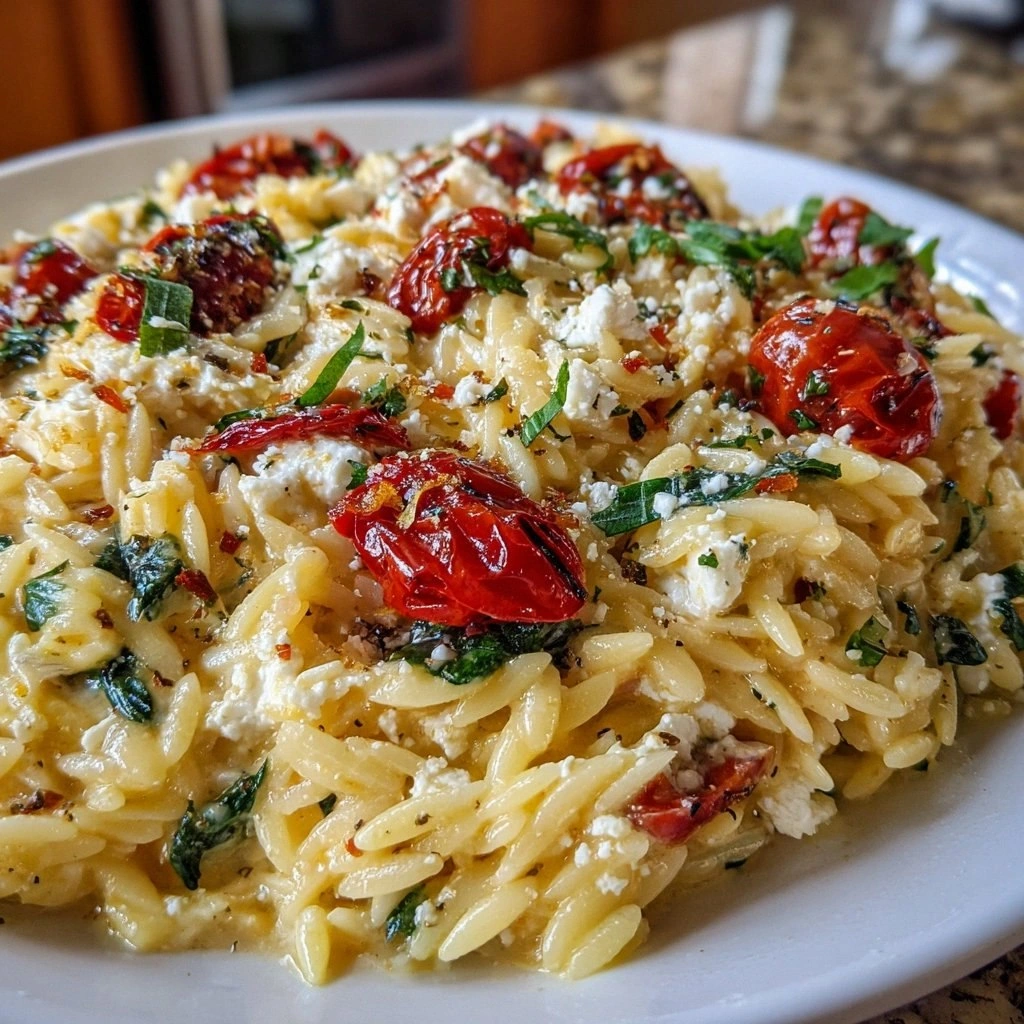
Picture this: a golden crust of feta that cracks like brittle ice when you bite into it, a swirl of olive oil that glistens like liquid silk, and a burst of lemon that brightens the whole plate. The aroma that rises from the oven is a mix of roasted tomatoes, garlic, and fresh herbs—almost a bouquet of summer. The first bite delivers a velvety sauce that coats every strand of pasta, then a subtle crunch from the feta’s edges, and finally a finish of herbaceous freshness that lingers on the palate. It’s a dish that feels like a hug in a bowl, yet it’s light enough to pair with a crisp salad or a glass of chilled white wine.
What makes this version stand out is that I’ve trimmed the carbs without sacrificing flavor, swapped out heavy cream for a splash of vegetable broth, and added a secret ingredient—fresh basil—that turns the dish from ordinary to unforgettable. I dare you to taste this and not go back for seconds, because the combination of textures and flavors is so satisfying that you’ll find yourself reaching for more even after the last forkful. I’ll be honest—once I made this, I ate half the batch before anyone else got a taste, and that’s the kind of confidence I want to pass on. Most recipes get this completely wrong by overcooking the orzo or underseasoning the feta; here’s what actually works.
If you’ve ever struggled with baked feta dishes that end up either too dry or too soggy, you’re not alone—and I’ve got the fix. Picture yourself pulling this out of the oven, the whole kitchen smelling incredible, and the plate shimmering with a glossy, caramelized glaze. Let me walk you through every single step—by the end, you’ll wonder how you ever made it any other way.
What Makes This Version Stand Out
- Flavor: The combination of feta, tomatoes, and fresh basil creates a layered taste that feels both comforting and vibrant.
- Texture: The orzo remains al dente, while the feta develops a caramelized crust that breaks with a satisfying snap.
- Simplicity: With just ten ingredients and one pan, you can produce a restaurant‑level dish in less than 45 minutes.
- Uniqueness: The splash of vegetable broth reduces the need for cream, keeping the dish light yet rich.
- Crowd Reaction: Friends always ask for the recipe after the first tasting, and the leftovers taste even better the next day.
- Ingredient Quality: Using a high‑quality feta and fresh herbs transforms the entire flavor profile.
- Cooking Method: Baking instead of simmering locks in moisture and creates a caramelized surface without burning.
- Make‑ahead Potential: The dish can be pre‑baked and reheated with minimal fuss, making it ideal for week‑night dinners.
Alright, let's break down exactly what goes into this masterpiece...
Inside the Ingredient List
The Flavor Base
The foundation of this dish is a simple yet powerful combination of olive oil, garlic, and lemon. Olive oil brings a silky richness that coats the orzo, while minced garlic adds a sharp, aromatic bite that lingers. Lemon juice brightens the entire plate, cutting through the saltiness of the feta and preventing the dish from feeling heavy. If you skip the lemon, the final result will taste flat and unbalanced, so keep it in the mix.
To maximize flavor, use a high‑quality extra‑virgin olive oil and freshly squeezed lemon juice. The oil should have a peppery note, and the lemon should taste bright and citrusy, not sour or bitter. A small pinch of sea salt enhances the olive oil’s natural fruitiness, and a dash of freshly ground black pepper adds a subtle heat that balances the tang of the feta.
If you’re looking for a low‑fat alternative, you can substitute half the olive oil with a splash of vegetable broth, but be sure to add extra salt to compensate for the reduced oil content. The broth also adds a subtle savory note that complements the feta’s brine.
The Texture Crew
Orzo is the star of the show, providing a pasta-like texture that’s easy to eat and pairs perfectly with the creamy sauce. Cook the orzo in a pot of salted water until it’s just shy of al dente, then drain and set aside. If you overcook the orzo, it will become mushy and lose the desirable bite that gives the dish its character.
Crumbled feta is essential for the dish’s signature tang. Use a block of feta that’s firm enough to hold its shape when baked, yet soft enough to melt into a velvety sauce. If you prefer a milder flavor, you can replace feta with goat cheese, but be prepared for a different taste profile.
Fresh spinach adds a pop of color and a subtle earthiness that balances the richness of the feta. Sauté the spinach briefly before adding it to the baking dish, as this helps release its moisture and prevents the dish from becoming watery. If you’re allergic to spinach or just don’t like it, you can swap it for arugula or kale.
The Unexpected Star
The secret weapon in this recipe is fresh basil. Basil’s sweet, slightly peppery flavor cuts through the saltiness of the feta and adds a fragrant aroma that elevates the dish. Chop the basil finely and sprinkle it over the top before baking; the heat releases its oils, creating a fragrant finish.
If basil isn’t in season, you can use parsley or oregano as a substitute, but the flavor will shift slightly. Basil also works well with the lemon, creating a bright, herbaceous note that keeps the dish from feeling heavy.
A quick tip: wash the basil leaves in cold water, pat them dry, and tear them into small pieces. This prevents the basil from wilting too quickly in the oven, preserving its bright green color and fresh taste.
The Final Flourish
Cherry tomatoes provide bursts of sweetness that contrast with the salty feta. Halve them and toss them with a drizzle of olive oil, salt, and pepper before adding them to the baking dish. The tomatoes soften during baking, releasing their juice and creating a natural sauce that binds the dish together.
A pinch of dried oregano adds an earthy depth that complements the basil and lemon. Use it sparingly, as oregano can dominate if added in large quantities. If you prefer a milder flavor, you can omit the oregano entirely and rely on the basil to carry the herbaceous notes.
Finally, a splash of low‑sodium vegetable broth is added to the baking dish to keep the orzo moist without making the dish overly saucy. The broth also helps the feta melt evenly, creating a silky coating that clings to each grain of pasta.
Everything's prepped? Good. Let's get into the real action...
The Method — Step by Step
- Preheat your oven to 375 °F (190 °C). Line a large baking dish with parchment paper to prevent sticking and make cleanup a breeze. The parchment also helps the feta caramelize evenly.
- In a small bowl, whisk together 2 Tbsp olive oil, 1 Tbsp lemon juice, 2 cloves minced garlic, 1 tsp dried oregano, 1/2 tsp sea salt, and a pinch of black pepper. This mixture will coat the orzo and create a flavorful base.
- Spread the cooked orzo evenly in the prepared baking dish. Pour the olive oil mixture over the pasta, stirring gently to ensure every grain is coated. The orzo should feel slightly moist but not soggy.
- Add the halved cherry tomatoes on top of the orzo, arranging them so they’re evenly spaced. Their juices will mingle with the olive oil, creating a subtle sauce as the dish bakes.
- Crumbled feta should be spread in a single, even layer over the tomatoes. Make sure the feta is flat, so it has maximum surface area to caramelize.
- Sprinkle the sautéed spinach and fresh basil over the feta, then pour 1 cup of low‑sodium vegetable broth into the dish. The broth will keep the orzo moist and help the feta melt into a silky coating.
- Cover the dish with aluminum foil and bake for 20 minutes. After 20 minutes, remove the foil, and bake an additional 10 minutes until the feta edges turn golden brown and the orzo is heated through.
- Remove the dish from the oven and let it rest for 5 minutes. This short rest allows the flavors to meld and the sauce to thicken slightly.
- Serve immediately, garnished with extra fresh basil and a drizzle of olive oil if desired. The dish is best enjoyed hot, when the feta is still slightly molten and the orzo is perfectly al dente.
- If you’re preparing ahead, let the dish cool completely, cover tightly, and refrigerate. When ready to serve, reheat in a skillet over medium heat, adding a splash of water to steam the orzo back to life.
That's it — you did it. But hold on, I've got a few more tricks that'll take this to another level...
Insider Tricks for Flawless Results
The Temperature Rule Nobody Follows
Many chefs bake at 400 °F, but that high heat can scorch the feta before the orzo cooks through. Baking at 375 °F keeps the heat gentle, allowing the feta to caramelize slowly while the pasta remains al dente. If you prefer a crispier feta crust, finish the dish under the broiler for 1–2 minutes, but keep a close eye to avoid burning.
Why Your Nose Knows Best
The first smell that hits you is the roasted tomato aroma, signaling that the tomatoes are caramelizing. A sweet, slightly acidic scent indicates that the feta is melting into a silky sauce. If the smell is overly sharp or burnt, pull the dish out immediately to prevent further cooking.
The 5-Minute Rest That Changes Everything
Letting the dish rest after baking allows the juices to redistribute, preventing a watery bite. It also gives the feta a chance to set into a smooth coating, making each forkful creamy. Skipping this step can result in a dish that feels raw or undercooked.
The Quick Spinach Trick
Sautéing spinach briefly reduces its moisture content, preventing the dish from becoming soggy. If you’re short on time, toss the spinach raw into the baking dish; it will wilt during the final 10 minutes of baking, still delivering a pop of green.
The Lemon Zest Secret
Adding a teaspoon of lemon zest to the olive oil mixture brightens the flavor profile and adds a subtle citrusy aroma. Zest also enhances the feta’s saltiness, creating a more balanced taste. A friend tried this tweak once, and the dish became instantly more vibrant.
Creative Twists and Variations
This recipe is a playground. Here are some of my favorite ways to switch things up:
Mediterranean Twist
Swap the basil for a handful of chopped kalamata olives and sprinkle red pepper flakes for a smoky, slightly spicy kick. The olives add a briny depth that pairs wonderfully with the feta, while the red pepper flakes introduce a gentle heat that lingers on the tongue. This version is perfect for a summer patio dinner.
Protein‑Packed Power
Add diced grilled chicken or shrimp to the dish for an extra protein boost. Cook the protein separately, then fold it in during the last 5 minutes of baking. The result is a hearty, balanced meal that feels more like a main course than a side.
Vegan Version
Replace the feta with a vegan cheese alternative or crumbled marinated tofu. Use coconut milk in place of vegetable broth to keep the dish creamy. The tofu will absorb the flavors of the olive oil, lemon, and herbs, creating a deliciously satisfying vegan option.
Pesto Power
Swirl in a couple of spoonfuls of basil pesto before baking. The pesto adds a burst of herbaceous flavor and a vibrant green hue. It also thickens the sauce slightly, giving the dish a richer mouthfeel.
Sweet & Savory Surprise
Incorporate roasted red peppers and a drizzle of balsamic glaze after baking. The roasted peppers add sweetness, while the balsamic glaze offers a tangy finish that contrasts beautifully with the feta’s saltiness. This variation works well for a brunch gathering.
Storing and Bringing It Back to Life
Fridge Storage
Let the dish cool completely before covering it tightly with plastic wrap or an airtight container. Store in the refrigerator for up to 3 days. The flavors will deepen overnight, making it even more delicious the next day.
Freezer Friendly
To freeze, let the dish cool and place it in a freezer‑safe container or zip‑lock bag. Freeze for up to 2 months. When ready to serve, thaw overnight in the refrigerator and reheat gently in a skillet with a splash of water to keep the orzo moist.
Best Reheating Method
Reheat in a skillet over medium heat, adding a tablespoon of water or broth to create steam. Stir frequently until the dish is hot and the feta is slightly melted. The splash of water prevents the orzo from drying out, restoring that silky sauce you love.