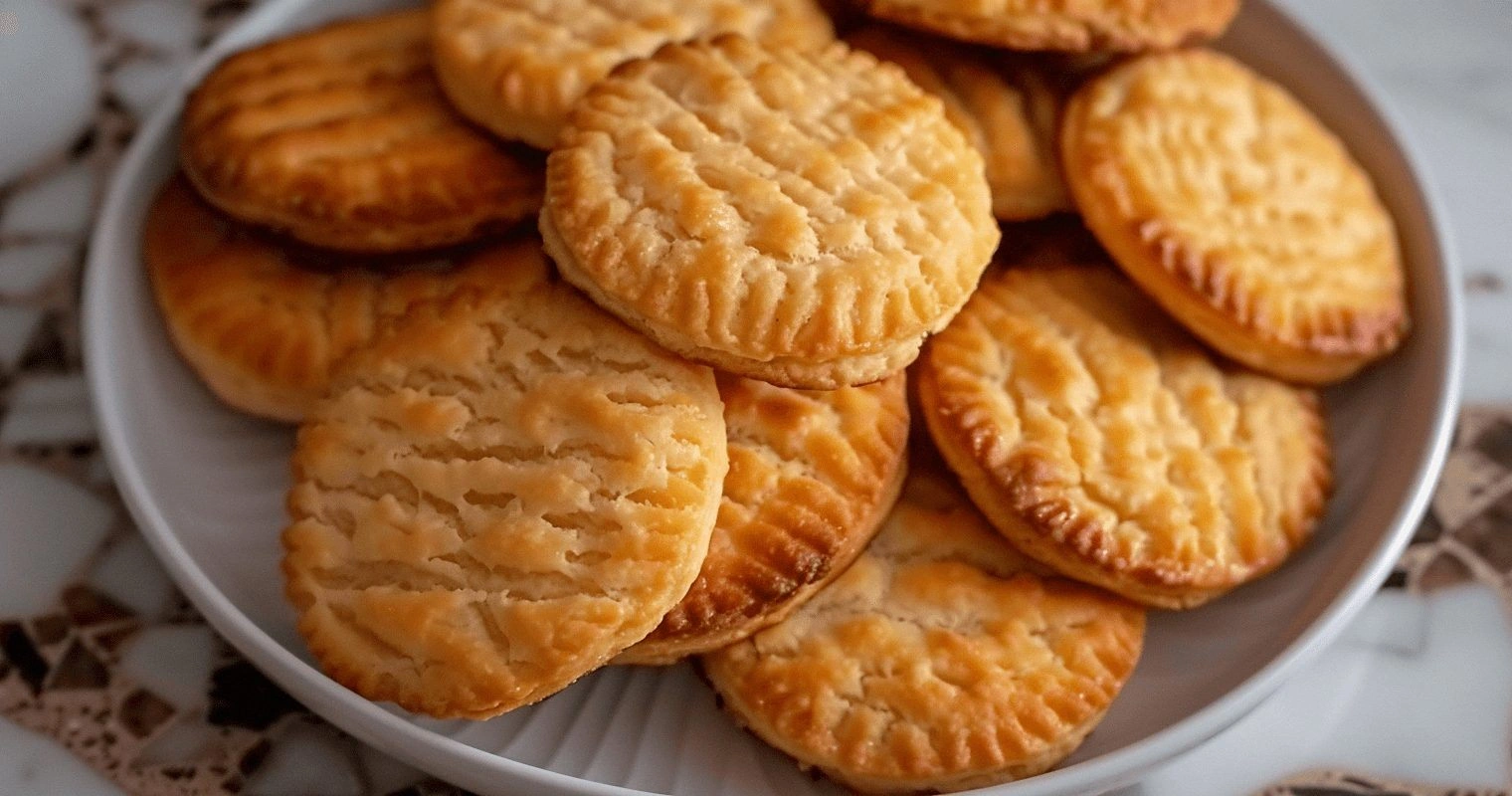
Okay, picture this: I was mid‑week, the fridge was looking at me like a bored teenager, and my craving for something that could simultaneously satisfy my love for crunch, spice, and that comforting hug of chicken was reaching a fever pitch. I tried the usual taco night, but the tortillas were soggy, the chicken was bland, and the whole thing felt like a culinary shrug. Then, in a moment of reckless brilliance (or maybe desperation), I grabbed a pack of wonton wrappers, tossed a few into hot oil, and the kitchen filled with a sizzle that could have been mistaken for a fireworks display. That instant, I knew I’d stumbled onto something magical—crispy chicken tucked into a taco‑sized pocket, crowned with a tangy slaw and a drizzle that could make a grown man weep with joy.
The first bite was a revelation: the chicken was juicy, the coating crackled like fresh snow underfoot, and the sauce clung to every crevice like velvet. I could practically hear the crunch echoing in my ears, smell the sweet‑savory perfume of hoisin and soy mingling with a whisper of ginger, feel the buttery richness of mayo sliding across my tongue, and taste the subtle heat from red pepper flakes that didn’t overwhelm but rather danced. It was a full‑sensory symphony that made me shout, “I dare you to taste this and not go back for seconds!” And trust me, I was the first to admit that I ate half the batch before anyone else even got a chance.
Most recipes for chicken tacos either over‑complicate the process or under‑deliver on texture. You’ll find versions that fry the chicken in a bland batter, or ones that drown the meat in sauce so thick it feels like a soup. Most get this completely wrong. Here’s what actually works: a quick sear for flavor, a light coating that fries up into a whisper‑thin armor, and a sauce that’s bright enough to cut through the richness without stealing the spotlight. The secret weapon? A splash of rice vinegar and a drizzle of sesame oil that adds a zingy, nutty finish you never saw coming. This isn’t just a taco; it’s a handheld celebration that will have your guests chanting “more!” after the first bite.
So, are you ready for the game‑changer? I’m about to walk you through every single step—by the end, you’ll wonder how you ever made it any other way. Picture yourself pulling these golden‑brown wonders out of the pan, the whole kitchen smelling like an upscale Asian‑fusion bistro, and the anticipation building as you assemble each taco with that perfect balance of crunch and cream. Okay, ready for the game‑changer? Let’s dive in.
⚡ What Makes This Version Stand Out
- Texture: The wonton wrapper fries up into a paper‑thin, crackling shell that shatters like thin ice with every bite, delivering a crunch that stays crisp even under the slaw.
- Flavor Fusion: Hoisin, soy, and a hint of ginger create a sweet‑savory umami base that’s balanced by the bright acidity of rice vinegar.
- Simplicity: Only a handful of pantry staples are needed, and the steps are straightforward enough that even a kitchen rookie can nail it.
- Visual Appeal: The golden‑brown tacos look like tiny works of art, perfect for Instagram‑worthy plating.
- Crowd Reaction: Guests will be shouting “again!” before you’ve even finished the first round—trust me, I’ve seen it happen.
- Ingredient Quality: Using fresh ginger and green onions adds a burst of freshness that cheap pre‑ground powders can’t match.
- Cooking Method: Deep‑frying the wonton wrappers gives you that unbeatable crunch without the sogginess of baked alternatives.
- Make‑Ahead Potential: The chicken can be cooked ahead of time, and the slaw stays crisp for hours, making it perfect for parties.
Alright, let's break down exactly what goes into this masterpiece...
🍋 Inside the Ingredient List
The Flavor Base
The duo of hoisin sauce and soy sauce forms the backbone of our flavor profile. Hoisin brings a sweet, slightly smoky depth, while soy adds that essential salty umami punch. Skipping either would leave the sauce flat—imagine a taco without the punch of a good salsa. If you’re out of hoisin, a mix of plum sauce and a dash of five‑spice can mimic the richness. For soy, low‑sodium is best to keep the salt level in check while preserving the savory notes.
The Texture Crew
The star of the show is the wonton wrappers. They’re thin enough to become paper‑crisp when fried, yet sturdy enough to hold the juicy chicken without tearing. If you can’t find wonton wrappers, try spring roll wrappers—they’re slightly thicker but still deliver a satisfying crunch. Vegetable oil with a high smoke point is essential; using olive oil would make the wrappers brown too quickly and taste bitter. A quick tip: keep the oil at 350°F (175°C) for a perfect golden hue.
The Unexpected Star
The fresh ginger and garlic bring a bright, aromatic lift that cuts through the richness. Fresh ginger offers a zing that dried ginger can’t match, and it also adds a subtle warmth that pairs beautifully with the red pepper flakes. If you’re allergic to ginger, a pinch of ground coriander can provide a similar citrusy note. And don’t forget the sesame oil; just a teaspoon adds a nutty perfume that lingers on the palate.
The Final Flourish
The slaw is a marriage of coleslaw mix, mayonnaise, and a splash of honey or maple syrup. The sweetness balances the tang of the rice vinegar and the heat from red pepper flakes. If you’re vegan, swap mayo for a cashew‑based spread and maple syrup for agave. Fresh green onions and cilantro add brightness, while a sprinkling of toasted sesame seeds adds a nutty crunch that elevates every bite. Optional sriracha mayo brings an extra kick for those who like to live on the edge.
Everything's prepped? Good. Let's get into the real action...

🔥 The Method — Step by Step
-
Start by dicing the chicken breasts or thighs into bite‑size pieces, about 1‑inch cubes. Toss them in a bowl with a pinch of salt, black pepper, and a drizzle of olive oil. Let the meat rest for five minutes; this short marination helps the seasoning penetrate and keeps the chicken juicy when fried. While the chicken is chilling, preheat your deep‑fry pot or a heavy skillet with enough vegetable oil to submerge the wonton wrappers—aim for a depth of at least 2 inches.
🪄 Kitchen Hack: Pat the chicken dry with paper towels before seasoning; excess moisture will cause oil splatter and soggy wrappers. -
While the oil heats, whisk together the chicken broth, hoisin sauce, soy sauce, rice vinegar, fresh ginger (minced), garlic (crushed), sesame oil, and red pepper flakes in a small saucepan. Bring it to a gentle simmer, then reduce the heat and let it thicken for about 5 minutes. This glaze will coat the chicken later, creating that glossy, sticky finish that makes each bite addictive. Taste and adjust salt if needed—remember, the soy sauce already brings a salty punch.
👀 Watch Out: If the sauce reduces too much, it can become overly salty; keep an eye on it and add a splash of water if it looks too thick. -
Heat a large skillet over medium‑high heat and add a tablespoon of olive oil. Toss the seasoned chicken into the pan, spreading it out so each piece gets direct contact with the surface. Sear for about 3‑4 minutes per side until golden brown, then pour the prepared glaze over the chicken. Stir continuously; the sauce will cling to the pieces, turning them a deep mahogany color. This is the moment of truth—listen for the faint hiss as the glaze meets the hot pan, a sign that the flavors are marrying perfectly.
-
While the chicken finishes cooking, prepare the slaw. In a large bowl, combine the coleslaw mix with mayonnaise, honey or maple syrup, a pinch of salt, and a dash of red pepper flakes. Toss until everything is evenly coated; the mayo should create a creamy veil that softens the crunch of the cabbage without drowning it. Add the green onions and cilantro at the end to keep their fresh flavor bright.
🪄 Kitchen Hack: Chill the slaw for 10 minutes before serving; the cold contrast heightens the crunch and balances the hot, crispy chicken. -
Now for the fun part—frying the wonton wrappers. Test the oil temperature with a tiny piece of wrapper; it should sizzle instantly and rise to the surface within 10 seconds. Carefully lay a single wrapper into the oil, using tongs to keep it flat. Fry for 30‑45 seconds, or until it turns a gorgeous golden‑brown and begins to puff. Flip once, then remove with a slotted spoon and place on a paper‑towel‑lined plate to drain excess oil. Repeat until all 20 wrappers are fried, but be careful not to overcrowd the pan—crowding drops the oil temperature and leads to soggy results.
👀 Watch Out: Over‑frying even a second too long will turn the wrappers bitter; pull them as soon as they reach a light amber hue. -
While the wrappers are still warm, gently open each one like a taco shell, being careful not to tear the edges. Fill each with a generous spoonful of the glazed chicken, then top with a mound of the creamy slaw. Drizzle a little sriracha mayo (if you like heat) over the top, and sprinkle with toasted sesame seeds for that extra crunch. The contrast between the hot, crisp wrapper and the cool, creamy slaw is pure magic—trust me, this next part? Pure magic.
-
Finish each taco with a final garnish of fresh green onions and a few leaves of cilantro. The bright green adds a pop of color that makes the dish look as good as it tastes. Serve immediately while the wrappers are still crisp; the moment they sit too long, steam will soften them, and you’ll lose that coveted crunch.
-
And there you have it—Irresistibly Crispy Chicken Wonton Tacos that will have everyone begging for the secret. I’ll be honest — I ate half the batch before anyone else got to try it, and the leftovers (if any) taste just as amazing reheated with a quick flash in the oven. That sizzle when it hits the pan? Chef’s kiss. Now, hold on, I’ve got a few more tricks that’ll take this to another level...
🪄 Kitchen Hack: For an ultra‑crisp finish, sprinkle a pinch of cornstarch on the wrappers before frying; it creates a micro‑crust that stays crunchy longer.
🏆 Insider Tricks for Flawless Results
The Temperature Rule Nobody Follows
Keeping your oil at a steady 350°F (175°C) is crucial. Too low, and the wrappers absorb oil and become soggy; too high, and they burn before they puff. Use a deep‑fat thermometer and adjust the heat in small increments. I once tried to eyeball the temperature and ended up with a batch that tasted like burnt toast—lesson learned. If you don’t have a thermometer, a small cube of bread should turn golden in 30 seconds; that’s your sweet spot.
Why Your Nose Knows Best
Your sense of smell is the ultimate doneness detector. When the chicken glaze starts to caramelize, you’ll notice a sweet, slightly nutty aroma rising from the pan. That scent means the sugars are browning, creating that deep, umami‑rich crust we love. If you’re unsure, take a tiny sniff—if it smells like burnt sugar, pull the pan off the heat immediately.
The 5‑Minute Rest That Changes Everything
After frying, let the wonton shells rest on a cooling rack for five minutes. This short pause allows excess oil to drip away and the wrapper to set, preserving its crunch. Skipping this step is a common mistake; I’ve seen people serve them right out of the oil and end up with limp, greasy tacos. Trust me, those five minutes are worth the wait.
Sauce Consistency Cheat Sheet
If your glaze thickens too quickly, add a splash of chicken broth to loosen it. Conversely, if it’s too runny, let it simmer a minute longer or whisk in a teaspoon of cornstarch dissolved in cold water. The goal is a sauce that clings to the chicken like a second skin without pooling at the bottom of the pan.
The Secret of Fresh Herbs
Add cilantro and green onions at the very end of assembly, not during cooking. Heat destroys the bright, citrusy notes of cilantro, turning it bitter. By sprinkling them fresh, you preserve their lively flavor and add a pop of color that makes the dish look restaurant‑ready. If you’re not a cilantro fan, substitute with Thai basil for a slightly spicy twist.
🎨 Creative Twists & Variations
This recipe is a playground. Here are some of my favorite ways to switch things up:
Spicy Szechuan Swap
Replace the hoisin sauce with Szechuan peppercorn paste and add a dash of doubanjiang (fermented bean paste). The result is a tongue‑tingling heat that’s both floral and deep, perfect for heat‑seekers. Pair with extra sriracha mayo for an extra kick.
Citrus‑Infused Delight
Add the zest of a lime and a splash of lime juice to the glaze, and swap the honey for agave. The bright citrus cuts through the richness, making the tacos feel lighter—great for summer picnics.
Veggie‑Only Version
Use firm tofu cubes marinated in the same glaze, and replace the chicken broth with vegetable broth. The tofu absorbs the flavors beautifully, and the crunchy wonton wrapper still provides that satisfying snap.
Breakfast Remix
Swap the chicken for scrambled eggs seasoned with soy sauce and a dash of sesame oil. Top with a drizzle of sriracha mayo and a sprinkle of toasted sesame seeds. It’s a breakfast taco that will make your morning feel like a festival.
Sweet‑Heat Fusion
Add a spoonful of pineapple chunks to the slaw and drizzle a honey‑chili glaze over the finished tacos. The sweet pineapple pairs with the heat from red pepper flakes, creating a tropical twist that’s perfect for beach parties.
❄️ Storing & Bringing It Back to Life
Fridge Storage
Place the cooked chicken and slaw in separate airtight containers. Store the fried wonton wrappers in a paper‑bag-lined container to keep them from getting soggy. They’ll stay fresh for up to 3 days, and you can reheat the chicken in a skillet with a splash of broth to restore juiciness.
Freezer Friendly
Freeze the chicken and slaw separately in zip‑top bags. The wonton wrappers freeze best if you layer them between parchment paper to avoid sticking. When ready to serve, thaw in the refrigerator overnight, then re‑fry the wrappers for 30 seconds to bring back that crunch.
Best Reheating Method
To revive the crispness, preheat your oven to 375°F (190°C) and spread the wrappers on a baking sheet. Warm for 5‑7 minutes, or until they regain their golden snap. Add a tiny splash of water to the chicken while reheating in a skillet; the steam prevents it from drying out and restores the glaze’s sheen.