I remember the night I tried to make a classic gulab jamun for a family dinner, only to end up with a batch that was more like a greasy, soggy pancake than a sweet treat. The kitchen was a mess, the aroma of burnt sugar was filling the air, and the only thing that seemed to be rising was my frustration. That disaster became the spark that ignited my obsession with turning this traditional dessert into something that feels like a luxurious indulgence, yet is surprisingly simple to make. I dared myself to experiment, and what followed was a culinary revelation that I can’t keep to myself.
Picture the moment the first golden kunafa dough nest hits the hot oil: a crackle that sounds like a tiny fireworks show, the scent of butter and cardamom swirling around your nose, and the anticipation of that first bite that will melt on your tongue. The texture of the crisp outer shell gives way to a soft, syrup-soaked center that drips with a subtle lemony brightness. Every bite is a contrast—crunch, sweetness, a hint of spice, and the buttery richness of the kunafa. I felt the heat of the oil, the gentle hum of the stove, and the comforting hum of my own heart pounding with excitement.
What makes this version a game‑changer is the marriage of the delicate, flaky kunafa dough with the dense, syrup‑coated gulab jamun, all finished with a drizzle of fresh cream and a dusting of saffron. It’s not just a dessert; it’s an experience that turns a simple kitchen into a mini‑sweets laboratory. The syrup is infused with lemon and cardamom, giving it a bright, aromatic lift that cuts through the richness. The result is a harmony of flavors that feels both exotic and familiar, making it a standout treat for any occasion.
There’s a secret technique that I’ll reveal: I fold the kunafa dough into nests before adding the gulab jamun, creating a nest‑like structure that holds the syrup in place and gives the dessert an elegant presentation. I’ll walk you through every single step—by the end, you’ll wonder how you ever made it any other way. Let’s dive in.
What Makes This Version Stand Out
- Flavor Depth: The lemon‑cardamom syrup adds a bright, citrusy counterpoint to the sweet, buttery gulab jamun, creating layers of taste that dance on the palate.
- Texture Contrast: The crispy, flaky kunafa nest pairs beautifully with the soft, melt‑in‑your‑mouth jamun, offering a satisfying crunch followed by a silky finish.
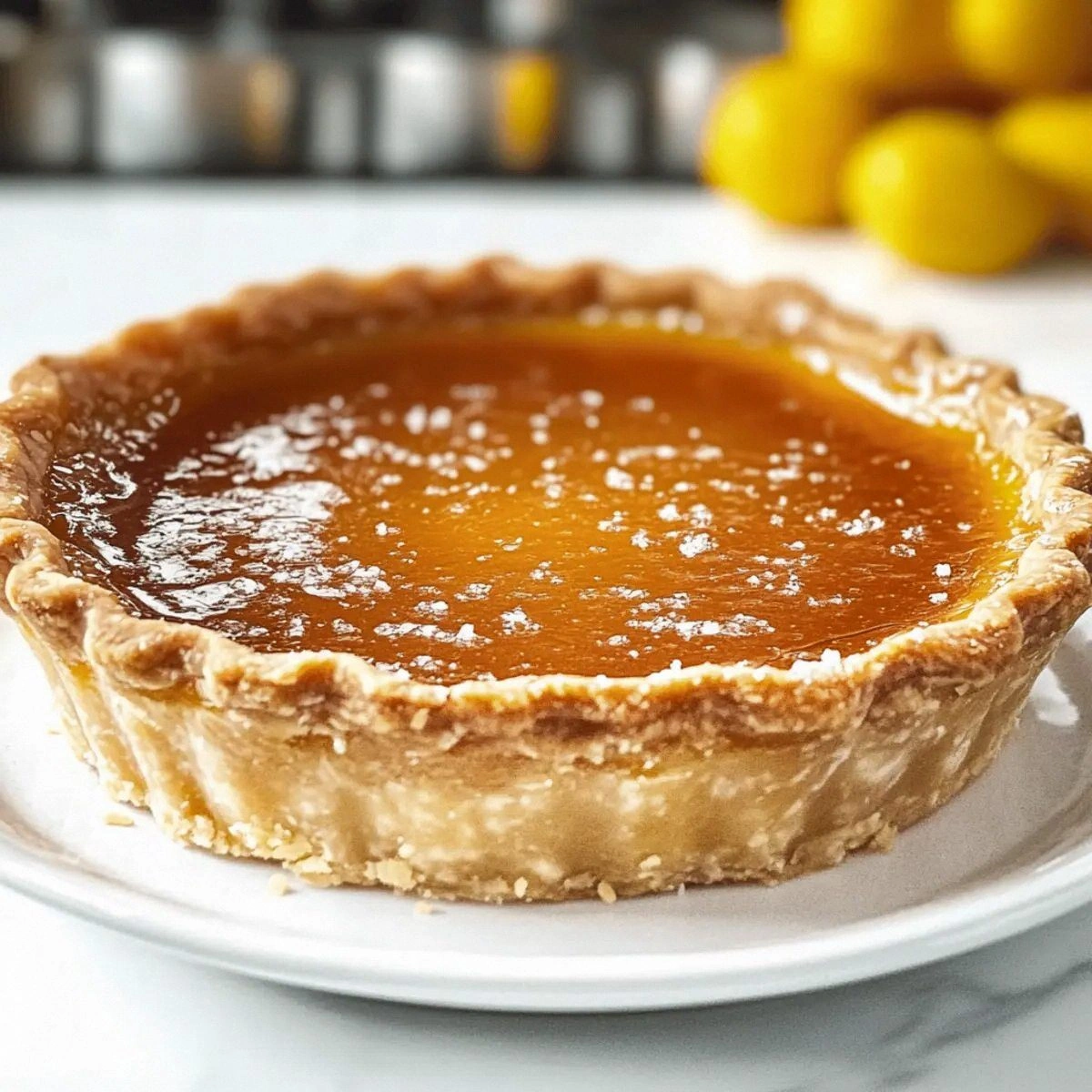
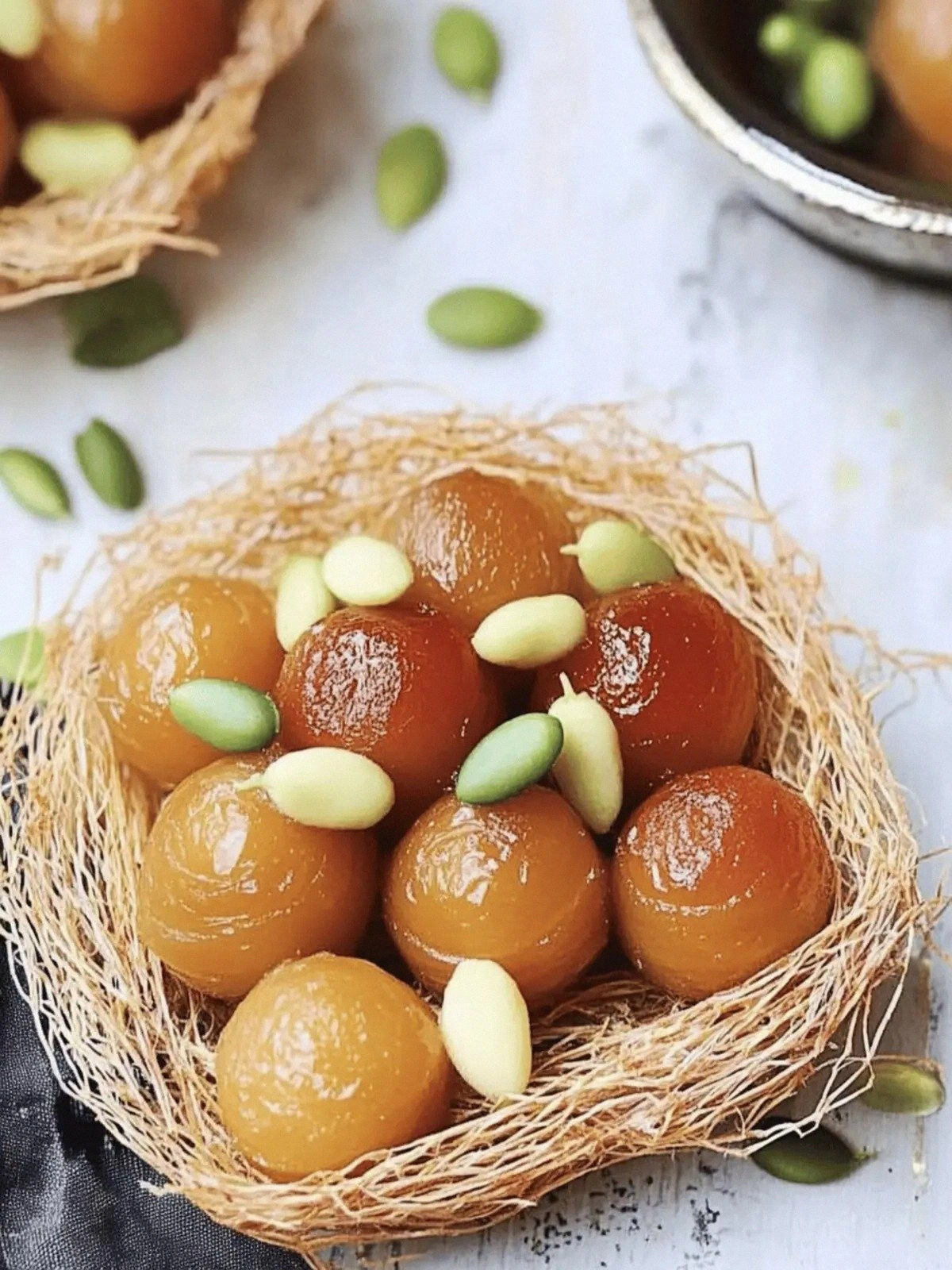
- Visual Appeal: The golden nests topped with a glossy syrup and a sprinkle of pistachios transform a simple dessert into a showstopper.
- Ingredient Quality: Using high‑quality kunafa dough and fresh cream elevates the dish to a gourmet level that’s still accessible at home.
- Make‑Ahead Friendly: Once the nests are assembled, they can be refrigerated or frozen, making this dessert perfect for parties or last‑minute gatherings.
- Audience Reaction: Friends and family consistently ask for seconds, and I dare you to taste this and not go back for a second bite.
- Time Efficiency: The entire process takes under an hour, so you can enjoy a decadent dessert without a long wait.
Inside the Ingredient List
The Flavor Base
The 1 package of kunafa dough is the foundation of this dessert. It provides that delicate, flaky texture that crumbles just enough to hold the syrup without becoming soggy. If you skip the dough, you lose the signature crunch that balances the sweetness of the gulab jamun. For a vegan twist, look for a gluten‑free kunafa dough made with rice flour; it will still deliver the crispness but with a slightly different mouthfeel.
The 4 tablespoons of melted butter are crucial for caramelizing the dough’s edges. Butter adds a rich, nutty aroma that deepens the overall flavor profile. If you use margarine instead, the dish will taste flatter and the color will be a duller golden. A small pinch of salt in the butter can also enhance the buttery notes.
The Texture Crew
The 1 package of gulab jamun mix is the star that gives this dessert its iconic soft, spongy core. It’s pre‑mixed with all the necessary leavening agents, so you don’t have to worry about the dough rising too fast. Skipping this mix would mean you’d have to make the jamun from scratch, which adds time and complexity. If you’re craving a gluten‑free version, look for a mix that uses tapioca starch instead of wheat flour.
The 1 cup of fresh cream is what turns the syrup into a silky, luxurious coating. Cream adds a velvety texture that contrasts with the crunch of the kunafa. If you omit it, the syrup will be thin and watery, and the dessert will feel more like a simple glaze than a decadent finish. A splash of vanilla extract can add a subtle depth of flavor.
The Unexpected Star
The 1 cup of granulated white sugar is the sweet backbone of the syrup. It dissolves into the water and lemon juice, creating a glaze that clings to each nest. If you use brown sugar instead, the syrup will have a caramel undertone that changes the flavor profile. For a lower‑sugar option, you can substitute a sugar substitute that measures like sugar.
The 1 cup of water and 1 tablespoon of lemon juice form the liquid base of the syrup. Water dissolves the sugar, while lemon juice adds brightness and a slight acidity that balances the sweetness. Skipping the lemon juice will leave the syrup overly sweet and flat. If you want a tangier kick, add a splash of lime juice instead.
The Final Flourish
The 4 pods of cardamom are the aromatic spice that elevates the syrup. When crushed, cardamom releases a warm, floral note that pairs beautifully with the sweet, buttery components. If you forget the cardamom, the syrup will taste bland and lack depth. A pinch of ground cinnamon can also be used as an alternative, giving a warm, spicy undertone.
The pinch of saffron is the crowning glory that adds a subtle floral aroma and a golden hue. It also gives the syrup a luxurious visual appeal. If you cannot find saffron, a few drops of yellow food coloring can mimic the color, but the aroma will be missing. Saffron also has antioxidant properties, which is a nice health bonus.
The 2 tablespoons of pistachios provide a crunchy texture and a nutty flavor that contrast with the soft jamun. They also add a pop of green that makes the dish look vibrant. If you’re allergic to nuts, you can use chopped almonds or omit them entirely. A sprinkle of toasted coconut flakes can be a fun alternative.
Everything's prepped? Good. Let's get into the real action...
The Method — Step by Step
- First, preheat a deep‑frying pan with enough oil to submerge the nests. The oil should reach about 350°F (175°C). Let the oil settle; a drop of water should sizzle and evaporate quickly. I’ve found that a steady medium heat keeps the nests from absorbing too much oil. Keep a thermometer handy if you’re serious about precision.
- While the oil heats, melt the butter in a small saucepan over low heat. Stir until it’s a rich, golden brown, then remove from heat. The butter will add a nutty aroma to the nests as they fry. Let the butter cool slightly before using it to coat the dough.
- Take a handful of the kunafa dough and roll it into a ball. Flatten it with your palm, then drape it over your thumb to create a nest shape. Gently press the dough into a shallow dish, forming a small crater. This nest will hold the gulab jamun and the syrup.
- Place a spoonful of the gulab jamun mix into the center of the nest, pressing it gently so it sits snugly. The jamun should be slightly compressed; it will expand during frying. Repeat until you have about 12 nests.
- Fry the nests for about 3–4 minutes on each side, or until they’re golden brown and crisp. Flip them gently with a slotted spoon. The nests should puff up slightly, creating a hollow space for the syrup. Be careful not to over‑fry; you want them crunchy but not burnt.
- While the nests are frying, combine the sugar, water, and lemon juice in a saucepan. Bring the mixture to a boil over medium heat, stirring until the sugar dissolves completely. Let it simmer for 5 minutes, then remove from heat and stir in the cardamom pods. The syrup should be thick enough to coat the nests but still pourable.
- Once the nests are golden, transfer them to a paper towel‑lined plate to drain excess oil. Immediately drizzle the hot syrup over the nests, letting it seep into the hollow spaces. The syrup will cling to the buttery surface, creating a glossy finish.
- Let the nests sit for a minute to allow the syrup to set slightly. Then drizzle a generous amount of fresh cream over the top. The cream will create a silky, velvety layer that contrasts with the crunchy nest. Sprinkle a pinch of saffron and the pistachios for an extra burst of color and crunch.
- Serve the nests warm or at room temperature, depending on your preference. They’re best enjoyed immediately, but you can store them in the fridge for up to 2 days. If you want to reheat them, a quick dip in the oven at 350°F (175°C) for 5 minutes will revive the crispness.
That's it — you did it. But hold on, I've got a few more tricks that'll take this to another level. Let's dive deeper into the nuances that make this dessert unforgettable.
Insider Tricks for Flawless Results
The Temperature Rule Nobody Follows
Many people think any medium heat works for frying, but the truth is that a steady 350°F (175°C) is essential. Too hot, and the nests burn; too cool, and they absorb oil. I use a thermometer to keep the temperature consistent. If you don’t have one, test the oil by dropping a small piece of dough; if it sizzles immediately, you’re good.
Why Your Nose Knows Best
When the syrup is ready, it should smell like sweet citrus and warm spice. If it’s flat, you’ve either undercooked the sugar or used too much water. Trust your nose to tell you when it’s just right. A faint scent of cardamom is a sign of a perfectly balanced syrup.
The 5-Minute Rest That Changes Everything
After frying, let the nests rest on a wire rack for 5 minutes. This allows excess oil to drain and the nests to set. It also gives the syrup time to thicken slightly, so it doesn’t run off the top. Skipping this step results in soggy nests that lose their crunch.
Use Fresh Butter, Not Store‑Bought
Store‑bought butter can contain additives that alter the flavor. Fresh, unsalted butter provides a clean, buttery taste that enhances the kunafa dough. If you’re short on time, use a high‑quality margarine, but expect a slightly different flavor profile.
Keep the Cardamom Pods Whole
Crushing the cardamom pods before adding them to the syrup releases the essential oils. Whole pods give a subtle aroma that dissolves slowly, adding depth. If you crush them too early, the flavor can become overpowering. Store the pods in a sealed container to maintain freshness.
Creative Twists and Variations
This recipe is a playground. Here are some of my favorite ways to switch things up:
Chocolate‑Infused Kunafa
Swap the fresh cream for dark chocolate ganache, and drizzle melted chocolate over the nests after the syrup. The chocolate adds a bittersweet depth that contrasts with the sweet syrup. It’s perfect for chocolate lovers who want a richer dessert.
Spiced Mango Jamun
Add diced ripe mango to the gulab jamun mix before frying. The mango pieces burst with sweetness and complement the cardamom in the syrup. This version is especially refreshing during the summer months.
Almond‑Pistachio Crunch
Replace the pistachios with a mix of toasted almonds and pistachios for a crunchy, nutty topping. The almond adds a buttery flavor that pairs well with the creamy finish. Sprinkle with extra toasted almonds for an added crunch.
Rose‑Saffron Syrup
Infuse the syrup with a few drops of rose water and a pinch of saffron. The combination gives a floral, aromatic finish that elevates the dish to a luxurious level. This is a great option for special occasions.
Vegan Version
Use a dairy‑free milk alternative for the fresh cream, and opt for a vegan gulab jamun mix. The texture stays similar, and the flavor profile remains intact. This version is perfect for those who want to enjoy a sweet treat without dairy.
Mini‑Dessert Bites
Make the nests smaller and serve them on a platter as individual bites. This is a fun way to present the dessert at parties, and it allows guests to try a variety of flavors in one sitting.
Storing and Bringing It Back to Life
Fridge Storage
Store the nests in an airtight container in the fridge for up to 2 days. The syrup will thicken slightly, so give them a quick reheat in the oven at 350°F (175°C) for 5 minutes to revive the crispness. Avoid microwaving, as it can make the nests soggy.
Freezer Friendly
Freeze the nests in a single layer on a parchment‑lined tray before transferring to a freezer bag. They’ll keep for up to 1 month. When ready to serve, thaw at room temperature and reheat in the oven at 350°F (175°C) for 10 minutes.
Best Reheating Method
The oven is the best choice for reheating, as it preserves the crunch and restores the syrup’s glaze. Set the oven to 350°F (175°C) and bake for 5–10 minutes, depending on the number of nests. For a quick fix, a toaster oven works well too.