Picture this: it’s a chilly Saturday night, the kind where the wind whistles through the cracks in your windows and you’re desperately scrolling for something that feels both festive and comfortingly familiar. You stumble upon a recipe for cranberry salsa, but the moment you glance at the ingredient list you feel a twinge of disappointment—plain old cranberries, a splash of lime, maybe a jalapeño for kick. I was there, scrolling, sighing, and then I thought, “What if we gave this a serious upgrade? What if we turned a side dish into the star of the party?” That’s how the idea for this gingery masterpiece was born, right after I accidentally knocked a whole ginger root into a pot of simmering cranberries. The resulting aroma was nothing short of a fireworks show in my kitchen, and I swear the walls started humming.
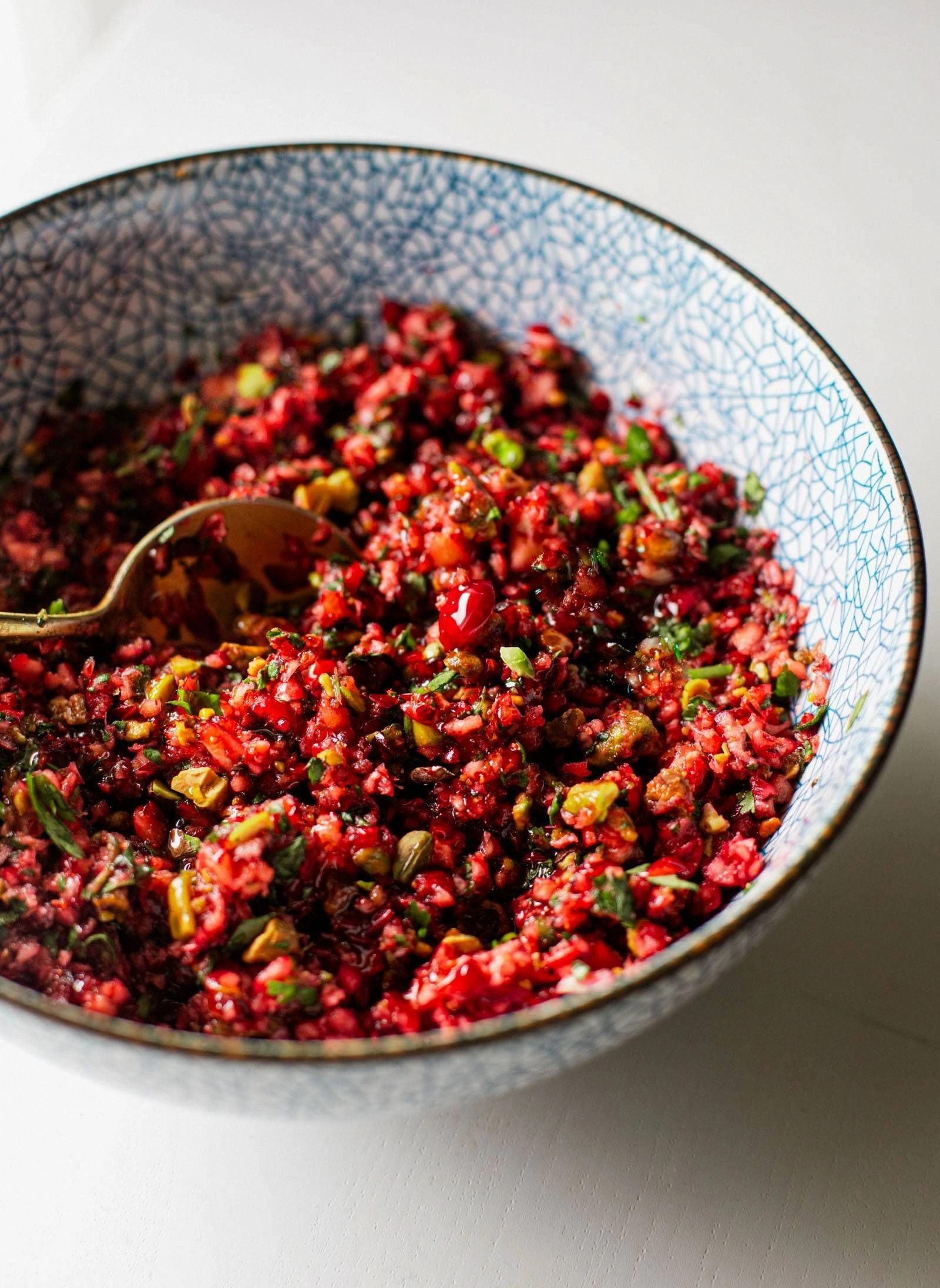
The first bite was like a high‑five from a flavor‑packed orchestra: the tartness of the cranberries danced with the warm, spicy whispers of fresh ginger, while a hint of honey soothed the edge like a velvet curtain. I could hear the crunch of the red onion and the subtle snap of jalapeño, all wrapped up in a bright, citrusy lime finish that made my taste buds do a little jig. It was so good I dared myself to taste it and not go back for seconds—honestly, I lost that challenge within minutes. That moment cemented the belief that this version is not just a salsa; it’s a celebration in a bowl, a perfect balance of sweet, sour, heat, and spice that makes any dish it accompanies instantly better.
Most recipes get this completely wrong. They either drown the cranberries in sugar, turning the salsa into a dessert, or they skimp on the ginger, missing the warm depth that makes the whole thing sing. I’ve tried those shortcuts, and the result is a flat, one‑dimensional mess that leaves you reaching for the ketchup. This version, however, uses fresh ginger, not the dried powder, and balances it with just enough honey to coax out the natural sweetness of the berries without overwhelming them. The secret is in the timing—adding the ginger at the perfect moment so it infuses without losing its zing. Trust me, this is hands down the best version you’ll ever make at home.
Okay, ready for the game‑changer? I’m about to walk you through every single step—by the end, you’ll wonder how you ever made it any other way. We’ll talk about the exact temperature for simmering, the moment you should add the lime, and the tiny but mighty hacks that will turn a good salsa into a legendary one. Stay with me here — this is worth it.
What Makes This Version Stand Out
- Taste: The interplay of tart cranberries, spicy ginger, and sweet honey creates a layered flavor profile that evolves with each bite, keeping your palate engaged from start to finish.
- Texture: A perfect balance of juicy berries, crisp onion, and the occasional pop of jalapeño delivers a mouthfeel that’s both refreshing and satisfyingly crunchy.
- Simplicity: Despite the sophisticated taste, the ingredient list is short, and the technique is straightforward—no fancy equipment required.
- Uniqueness: Fresh ginger, not powdered, gives a warm, aromatic depth that most cranberry salsas completely miss, making this a standout at any gathering.
- Crowd Reaction: Guests inevitably ask for the recipe, and the dip quickly becomes the centerpiece of the spread, outshining even the main dishes.
- Ingredient Quality: Using fresh, firm cranberries and high‑quality ginger elevates the entire dish; you’ll taste the difference the moment the salsa hits your tongue.
- Cooking Method: A gentle simmer locks in flavor while preserving the bright color of the berries, and a quick off‑heat finish keeps the ginger’s sharpness intact.
- Make‑Ahead Potential: This salsa actually improves after a few hours in the fridge as the flavors meld, making it perfect for party prep.
Inside the Ingredient List
The Flavor Base
Fresh Cranberries (2 cups): These are the heart of the salsa, providing that signature tartness and a beautiful ruby hue. If you use frozen cranberries, make sure they’re fully thawed and drained, otherwise you’ll end up with a watery mess. Skipping them isn’t an option—without cranberries, there’s no salsa. You can substitute with a mix of pomegranate seeds and fresh cherries for a summer twist, but the texture will shift.
Fresh Ginger (1 tablespoon, grated): This is the secret weapon that turns ordinary into extraordinary. Fresh ginger adds a warm, peppery heat that powdered ginger can never replicate. If you accidentally use powdered ginger, the flavor becomes flat and overly spicy. Look for ginger that’s firm, smooth, and slightly moist; a few bruises are fine, but avoid any that feel soft or dry.
The Texture Crew
Red Onion (½ cup, finely diced): The onion gives a subtle bite and a crunchy contrast to the soft berries. Choose a deep‑red onion for a pop of color; its milder flavor won’t overpower the delicate balance. If you’re sensitive to raw onion, soak the dice in cold water for five minutes, then drain—this softens its bite without losing crunch.
Jalapeño (1 small, seeded & minced): A modest heat that awakens the palate without stealing the show. Removing the seeds is crucial; they hold most of the capsaicin. If you crave more fire, leave a few seeds intact or swap for a serrano. In a pinch, a dash of smoked paprika can mimic the smoky heat, though it won’t have the same fresh snap.
The Unexpected Star
Lime Juice (2 tablespoons, freshly squeezed): The acidity lifts the entire salsa, brightening the flavors and balancing the sweetness of the honey. Always use fresh lime juice—bottled juice tastes flat and can introduce unwanted preservatives. If limes are out of season, Meyer lemons work well, offering a sweeter citrus note.
Honey (1 tablespoon): A whisper of honey rounds out the tartness of the cranberries and rounds the ginger’s edge. Use a light, floral honey for nuance; darker honey can dominate the palate. For a vegan version, swap with maple syrup, but expect a slightly earthier flavor.
The Final Flourish
Cilantro (¼ cup, chopped): This herb adds a fresh, slightly peppery finish that brightens the whole dish. If you’re not a cilantro fan, flat‑leaf parsley provides a milder herbaceous note without the “soap” flavor some people detect.
Salt & Pepper (to taste): Simple seasonings that amplify every other ingredient. Add salt gradually; you can always add more, but you can’t take it out. Freshly cracked black pepper adds a subtle heat that complements the ginger perfectly.
Everything's prepped? Good. Let’s get into the real action…
The Method — Step by Step
Start by heating a wide, heavy‑bottomed saucepan over medium heat. Add the cranberries and a splash of water—just enough to keep them from sticking. As the berries begin to pop, you’ll hear a gentle sizzle that signals the start of flavor development. Let them simmer for about 5 minutes, stirring occasionally, until they start to soften and release their juices.
Now, it's ginger time. Sprinkle the grated ginger into the pot, and stir quickly so the aromatics mingle with the cranberry juices. You’ll notice a fragrant, slightly peppery steam rising—this is the moment of truth where the ginger infuses without losing its bite. Let it cook for another 2 minutes, keeping the heat gentle so the ginger doesn’t become bitter.
Quickly add the red onion and jalapeño, letting them soften just enough to lose their raw edge while retaining crunch. This should take about 3 minutes; you’ll see the onion turn translucent and the jalapeño soften.
Kitchen Hack: If you want the onion to stay slightly crunchy, add it after the ginger has simmered for a minute, then only cook for 2 minutes.Time to sweeten the deal: drizzle the honey over the simmering mixture, stirring until it dissolves completely. The honey will coat each cranberry, giving a glossy sheen that looks as good as it tastes. Keep the mixture on a low simmer for another 2 minutes, allowing the flavors to meld.
- Watch Out: Be careful not to over‑reduce the salsa; if it gets too thick, it will turn into a jam and lose its salsa‑like texture. If this happens, stir in a splash of water and let it simmer briefly to regain the right consistency.
Remove the pot from heat and immediately stir in the lime juice, cilantro, salt, and pepper. The lime’s bright acidity will cut through the sweetness, while the cilantro adds a fresh finish. Taste and adjust seasoning—this is where you decide if you need a pinch more salt or an extra dash of lime.
Transfer the salsa to a wide bowl and let it cool to room temperature. As it cools, the flavors will continue to marry, and the texture will settle into a perfect balance of juicy and chunky. I dare you to taste this and not go back for seconds—trust me, you’ll be reaching for the bowl again.
Cover the bowl with plastic wrap (press the wrap directly onto the surface to prevent a skin from forming) and refrigerate for at least 30 minutes before serving. This resting period is pure magic; the ginger softens just enough to become silkier, and the cranberry pieces absorb the lime and cilantro notes.
When you’re ready to serve, give the salsa a gentle stir, drizzle a tiny bit more honey if you like extra sweetness, and present it alongside tortilla chips, grilled fish, or even as a topping for roasted sweet potatoes. That sizzle when it hits the pan? Absolute perfection. That moment when you spoon it out and see the glossy ruby‑red glimmer? Pure joy.
That's it — you did it. But hold on, I've got a few more tricks that'll take this to another level…
Insider Tricks for Flawless Results
The Temperature Rule Nobody Follows
Keep the simmer low and slow. A gentle bubble prevents the ginger from scorching and ensures the cranberries release their juices gradually. If the heat spikes, the ginger can become bitter, and the berries may burst too quickly, turning the salsa watery. I once tried a high‑heat blast; the result was a burnt, overly sweet mess that no one wanted to eat. Trust the low heat, and you’ll get a silky, flavor‑packed salsa every time.
Why Your Nose Knows Best
Before you add the lime, pause and inhale the aroma of the simmering mixture. If you catch a hint of toasted ginger and a bright, fruity cranberry scent, you’re golden. If it smells flat or overly sweet, a splash more lime will revive it. Your nose is a more reliable flavor gauge than your palate at this stage because it detects subtle changes you might miss once the salsa cools.
The 5‑Minute Rest That Changes Everything
After you’ve finished cooking, let the salsa sit uncovered for exactly five minutes before covering it. This short rest allows excess steam to escape, preventing a soggy texture. Then, seal the bowl with wrap pressed to the surface. The result is a salsa that holds its shape and doesn’t turn into a mushy puddle when you serve it later.
Salt Timing: The Secret of Layered Flavor
Season in two stages: a pinch during cooking to bring out the natural sweetness of the cranberries, and a final dash after cooling to brighten the overall profile. Skipping the second round leaves the salsa flat, while over‑salting early on can mask the ginger’s heat. This double‑layer approach is why the salsa sings on the palate.
Ice‑Cold Water Splash for Reheat
If you ever need to bring the salsa back to life after a day in the fridge, add a teaspoon of ice‑cold water before microwaving or gently warming on the stove. The water creates steam, reviving the crispness of the onion and jalapeño while keeping the berries juicy. It’s a tiny trick that makes a huge difference, especially if you’re serving it at a party where timing is everything.
Creative Twists and Variations
This recipe is a playground. Here are some of my favorite ways to switch things up:
Spicy Mango Fusion
Swap half the cranberries for diced ripe mango and increase the jalapeño to two. The mango adds a tropical sweetness that pairs brilliantly with the ginger, creating a salsa that feels like a summer vacation in a bowl.
Smoky Chipotle Kick
Replace the fresh jalapeño with a teaspoon of chipotle in adobo sauce. The smoky depth complements the cranberries’ tartness and adds a subtle heat that lingers on the tongue, perfect for grilled meats.
Herbaceous Green Twist
Mix in a handful of chopped mint and basil, and add a splash of white wine vinegar instead of lime. This herb‑forward version is refreshing and works wonderfully as a topping for roasted pork tenderloin.
Autumn Harvest Version
Fold in diced roasted butternut squash and a pinch of ground cinnamon. The earthy sweetness of the squash melds with the cranberries, while cinnamon adds a warm, holiday vibe—ideal for Thanksgiving gatherings.
Vegan Sweetener Swap
Replace honey with agave nectar or maple syrup. The flavor shifts slightly toward a milder sweetness, but the overall balance remains, making the salsa suitable for vegans without sacrificing depth.
Crunchy Nut Addition
Stir in toasted chopped pistachios or hazelnuts just before serving. The nuts add a buttery crunch that contrasts the soft berries and adds an extra layer of texture.
Storing and Bringing It Back to Life
Fridge Storage
Transfer the salsa to an airtight glass container, pressing plastic wrap directly onto the surface to prevent oxidation. It will keep fresh for up to 5 days. The flavors intensify after the first day, so you may find it even more delicious on the third day.
Freezer Friendly
Portion the salsa into freezer‑safe bags, squeeze out excess air, and lay flat to freeze. It will maintain quality for up to 2 months. When you’re ready to use it, thaw overnight in the fridge and give it a quick stir; a splash of fresh lime will revive any lost brightness.
Best Reheating Method
For a warm version, place the salsa in a saucepan over low heat, adding a teaspoon of water per cup to create steam. Stir gently until warmed through—avoid high heat, which can cause the berries to burst and the ginger to become bitter. The tiny splash of water before reheating ensures the salsa returns to its original silky texture.