I’ll be honest — I was in a full‑blown kitchen crisis last Tuesday. My roommate had just announced an impromptu movie marathon, and I was left with a fridge that looked like a barren wasteland. The only thing that survived the week‑long grocery run was a couple of stubborn beef steaks and a sack of potatoes that had been staring at me for days. I stared at those ingredients, imagined a bland boiled potato‑steak combo, and then thought, “What if I could turn this disaster into something that would make the whole neighborhood beg for an invite?” That’s when the idea for the ultimate Crockpot Loaded Steak and Potato Bake was born.
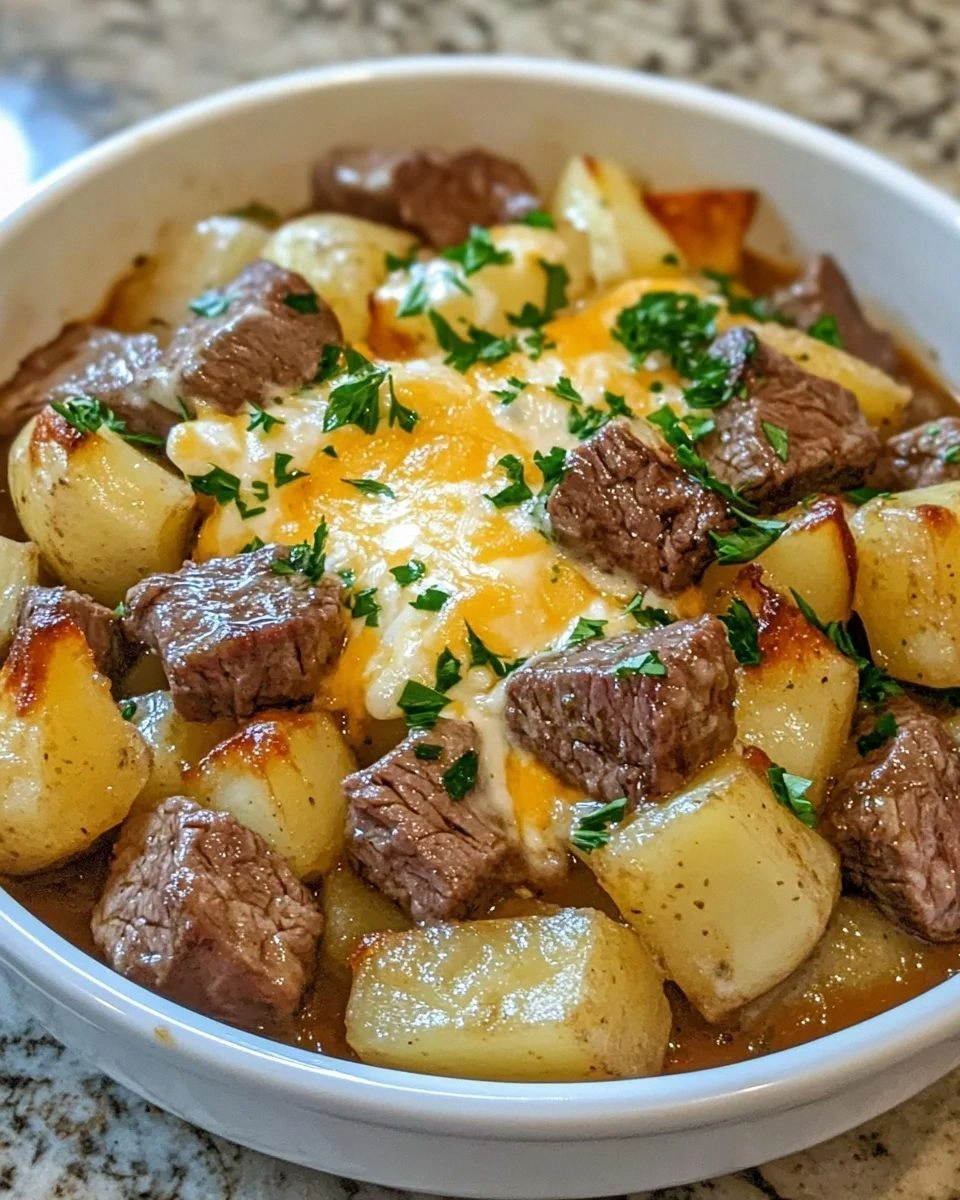
Picture this: a slow‑cooked steak that melts in your mouth like butter on a hot pan, potatoes that soak up every savory sip of broth, and a cheesy, soured‑cream topping that stretches like a warm sunrise across the surface. The whole kitchen fills with the kind of aroma that makes you pause mid‑step, close your eyes, and inhale the promise of comfort food at its finest. You can almost hear the gentle hum of the crockpot as it works its magic, feel the steam curling around your face, and taste the first bite in your mind before the dish even hits the table. The experience is so vivid that you’ll swear you’re already at the dinner table, even though the dish is still simmering.
Now, most “crockpot steak and potato” recipes out there treat the steak like an afterthought, over‑cooking it until it’s more rubber than meat, or they drown the potatoes in a sea of broth, leaving them mushy and forgettable. This version flips the script. I’m talking about a method that sears the steak first, locking in juices, then slow‑cooks it just enough to stay tender without turning it into a shredded mess. The potatoes are cut into perfect bite‑size cubes, tossed in a light coating of broth and seasonings, and then layered so they stay distinct, not a soggy mash. The final “loaded” topping of cheddar, sour cream, and green onions is added at the very end, creating a golden crust that cracks open like a treasure chest.
And here’s the kicker: I’m going to sprinkle in a secret ingredient that most recipes completely ignore—a splash of Worcestershire sauce right before the final bake. That little dash adds a depth of umami that makes the whole dish sing, like a choir of flavors hitting the high note. I dare you to taste this and not go back for seconds. Let me walk you through every single step — by the end, you’ll wonder how you ever made it any other way.
What Makes This Version Stand Out
- Flavor Explosion: The combination of beef broth, Worcestershire, and garlic powder creates a broth that’s richer than any store‑bought stock, coating every potato cube and steak bite with savory goodness.
- Texture Harmony: By searing the steak first, you get a caramelized crust that survives the slow‑cook, while the potatoes stay firm‑on‑the‑outside, creamy‑on‑the‑inside.
- Simplicity Meets Sophistication: Only ten ingredients, but each one is used at its peak, so you don’t need a pantry full of exotic spices to impress.
- Unexpected Depth: The splash of Worcestershire sauce at the end adds a hidden layer of umami that most recipes miss, turning a good dish into a legendary one.
- Crowd‑Pleaser Factor: Cheddar and sour cream create that “loaded” feel people associate with diner‑style comfort, yet it’s elegant enough for a dinner party.
- Ingredient Quality: Using chuck or sirloin ensures the steak stays juicy, while Yukon Gold potatoes give a buttery texture without turning mushy.
- Hands‑Off Cooking: The crockpot does the heavy lifting, giving you freedom to prep side dishes or just binge‑watch your favorite series.
- Make‑Ahead Magic: This dish reheats beautifully, and you can even prep the night before for a stress‑free dinner.
Inside the Ingredient List
The Flavor Base
Beef broth is the liquid gold of this dish. It doesn’t just keep the potatoes moist; it infuses the steak with a deep, meaty richness that you can’t achieve with water. If you have the time, simmer a homemade broth with carrots, celery, and a splash of red wine for an extra layer of complexity. Store‑bought works in a pinch, but look for low‑sodium versions so you can control the salt level. Skipping the broth entirely would leave the potatoes dry and the steak tasting like a plain piece of meat, which defeats the purpose of a “loaded” bake.
The Texture Crew
Russet potatoes bring starch and a fluffy interior, while Yukon Gold adds a buttery mouthfeel that holds its shape under long cooking. I recommend cutting them into 1‑inch cubes; this size ensures they cook evenly without disintegrating. If you’re aiming for a crispier edge, toss the cubes in a tablespoon of melted butter before layering them in the crockpot. The steak, whether chuck or sirloin, should be cut into 1‑inch strips so each bite gets a perfect meat‑to‑potato ratio. Over‑cooking the steak would turn it into a tough chew, so the quick sear followed by a gentle simmer is the sweet spot.
The Unexpected Star
Worcestershire sauce is the secret weapon that most people overlook. Its blend of vinegar, molasses, anchovies, and tamarind creates a savory depth that makes the broth sing. A mere two tablespoons can elevate the entire dish, turning a simple stew into a gourmet experience. If you’re avoiding fish, a splash of soy sauce can mimic the salty umami, but you’ll miss the subtle sweetness that Worcestershire brings.
The Final Flourish
Shredded cheddar cheese and sour cream are the finishing touches that give this bake its “loaded” identity. The cheddar melts into a golden, gooey blanket, while the sour cream adds a tangy creaminess that balances the richness of the beef and cheese. Green onions provide a fresh, slightly sharp bite that cuts through the heaviness. If you’re watching calories, swap half the cheddar for a low‑fat version and use Greek yogurt instead of sour cream; the texture remains luscious, and the flavor stays on point. Forgetting the sour cream would leave the dish dry and lacking that signature comfort‑food silkiness.
Seasoning Essentials
Garlic powder and onion powder are the quiet heroes that round out the flavor profile. They dissolve into the broth, ensuring every potato cube and steak strip gets a subtle aromatic lift. Salt and pepper, of course, are non‑negotiable; they amplify all the other flavors. If you’re experimenting, a pinch of smoked paprika can add a whisper of smokiness without overpowering the dish. Skipping these basics would result in a flat‑tasting bake that feels more like boiled meat than a hearty, indulgent meal.
Everything's prepped? Good. Let's get into the real action...
The Method — Step by Step
Start by patting the steak dry with paper towels, then season both sides generously with salt, pepper, garlic powder, and onion powder. Heat a heavy skillet over medium‑high heat, add a splash of oil, and sear the steak strips for about 2 minutes per side until they develop a deep, caramelized crust. This quick sear is the game‑changer that locks in juices; you’ll hear that satisfying sizzle that tells you you’re on the right track. Once browned, transfer the steak to a plate and set aside.
While the steak rests, peel the potatoes (if you prefer skin‑on, give them a good scrub) and cut them into uniform 1‑inch cubes. Toss the cubes in a large bowl with a drizzle of olive oil, a pinch of salt, and a sprinkle of pepper. This light coating ensures the potatoes don’t stick together and helps them develop a slight crispness once the bake finishes.
Now, it’s time for the broth. In a measuring cup, combine 2 cups of beef broth with 2 tablespoons of Worcestershire sauce, a teaspoon each of garlic powder and onion powder, and a dash of extra pepper. Give it a quick stir; the broth should smell earthy with a hint of tang from the Worcestershire. This mixture is the soul of the dish, soaking into the potatoes and steak as they cook.
Place a layer of potatoes at the bottom of your crockpot, then drizzle half of the broth mixture over them. Add the seared steak strips on top, spreading them evenly so every bite gets meat. Pour the remaining broth over the steak, making sure the liquid covers most of the ingredients but doesn’t completely submerge the top layer.
Cover the crockpot and set it to low for 4‑5 hours, or high for 2‑3 hours. The low setting yields ultra‑tender steak that still holds its shape, while the high setting speeds things up if you’re in a hurry. During this time, the aromas will fill your kitchen, making you wonder why you ever considered ordering takeout.
Kitchen Hack: If your crockpot has a “keep warm” setting, switch to it for the last 15 minutes to develop a slight crust on the top without overcooking.When the cooking time is up, uncover the crockpot and sprinkle the shredded cheddar cheese evenly over the top. Then, dollop the sour cream in generous spoonfuls, allowing it to melt into creamy pockets. Finally, scatter the chopped green onions across the surface for a fresh pop of color and flavor. The cheese should melt into a bubbly, golden layer that looks like a cheesy blanket ready to be torn apart.
Set the crockpot to the “high” setting for an additional 10‑15 minutes, or pop the entire insert under a broiler for 3‑5 minutes if you want a more pronounced crust. Keep a close eye; you’re looking for the cheese to turn a deep amber and the edges of the potatoes to start pulling away, revealing that coveted crispy edge.
Watch Out: If you leave it under the broiler too long, the cheese will burn and turn bitter. Stay nearby and watch for that perfect melt.Once the cheese is bubbling and the potatoes have a hint of crisp, turn off the heat and let the bake rest for 5 minutes. This brief rest allows the juices to redistribute, ensuring every forkful is moist and flavorful. Serve straight from the crockpot or transfer to a serving dish; either way, the steam rising from the dish will make your guests’ mouths water.
That’s it — you did it. But hold on, I've got a few more tricks that'll take this to another level. Stay with me here — this is worth it.
Insider Tricks for Flawless Results
The Temperature Rule Nobody Follows
Most home cooks think “low and slow” is the only way to tenderize meat, but the truth is a quick sear followed by a moderate simmer preserves texture while still delivering tenderness. The initial high heat creates a Maillard crust that locks in moisture, and the subsequent low‑heat environment prevents the meat fibers from tightening too much. I once tried skipping the sear and ended up with a steak that tasted like boiled beef—nothing exciting. Trust the two‑step temperature dance and you’ll get that perfect bite every time.
Why Your Nose Knows Best
When the broth starts bubbling and you catch that earthy, slightly sweet scent, it’s a sign the flavors are melding beautifully. If the aroma feels flat, add a splash more Worcestershire or a pinch of smoked paprika. Your nose is a more reliable gauge than a timer; if it smells good, it’s good. I’ve saved countless dishes by trusting that instinct, especially when the crockpot’s timer feels arbitrary.
The 5‑Minute Rest That Changes Everything
After the bake finishes, resist the urge to dive right in. Letting it sit for five minutes allows the cheese to set slightly and the juices to settle, preventing a soggy plate. This tiny pause transforms a good dish into a restaurant‑quality experience. A friend tried serving it immediately once and the cheese slid off the fork like a slippery eel—definitely not the presentation we want.
Layering for Maximum Flavor
Never just dump everything in a single layer. By placing potatoes first, you create a base that absorbs the broth, while the steak on top stays slightly elevated, ensuring it doesn’t become soggy. The final cheese layer on top creates that golden crust we all crave. This strategic layering is the secret behind the dish’s textural contrast.
Season at Every Stage
Seasoning isn’t a one‑time event; sprinkle a pinch of salt on the potatoes before they go into the crockpot, season the steak before searing, and finish with a dash of pepper on the cheese topping. Each layer builds flavor complexity. Skipping any of these steps results in a flat dish that feels like it’s missing a beat.
The Power of Fresh Herbs
A handful of fresh thyme or rosemary added to the broth just before the final simmer can lift the entire profile. The herbs release aromatic oils that mingle with the beef broth, adding a bright, herbaceous note that balances the richness of cheese and sour cream. If you forget, a sprinkle of dried herbs works, but fresh is always better.
Creative Twists and Variations
This recipe is a playground. Here are some of my favorite ways to switch things up:
Tex‑Mex Turn‑Up
Swap the cheddar for a blend of Monterey Jack and pepper jack, add a teaspoon of cumin and a dash of chili powder to the broth, and finish with sliced jalapeños and cilantro instead of green onions. The result is a spicy, smoky version that pairs perfectly with avocado slices.
Mediterranean Magic
Replace the Worcestershire with a tablespoon of sun‑dried tomato paste, use feta cheese instead of cheddar, and stir in Kalamata olives and roasted red peppers. The tangy feta and briny olives give the dish a Mediterranean flair that’s both refreshing and hearty.
BBQ Bliss
Add a half cup of your favorite BBQ sauce to the broth, use smoked gouda for the cheese, and sprinkle crispy fried onions on top. The smoky, sweet sauce pairs beautifully with the beef, creating a backyard‑grill vibe without the grill.
Herbivore’s Dream (Vegetarian)
Swap the steak for hearty portobello mushrooms or a mix of seitan strips, keep the potatoes, and use vegetable broth. The rest of the ingredients stay the same, delivering a comforting, meat‑free version that still feels indulgent.
Cheesy Overload
Double the cheese ratio, using a blend of sharp cheddar, mozzarella, and a sprinkle of Parmesan. Top with a breadcrumb‑and‑butter mixture and broil for a crunchy, golden crust that cracks like a fresh‑baked pie.
Storing and Bringing It Back to Life
Fridge Storage
Allow the bake to cool to room temperature (no longer than two hours), then transfer it to an airtight container. It will keep nicely for up to 4 days. When reheating, place a splash of beef broth or water in the bottom of the container, cover loosely with foil, and warm in a 350°F oven for 20‑25 minutes, stirring halfway through.
Freezer Friendly
Portion the bake into freezer‑safe bags or containers, leaving a little space for expansion. It freezes well for up to 3 months. To reheat, thaw overnight in the fridge, then follow the stovetop or oven reheating method, adding a tablespoon of broth to restore moisture.
Best Reheating Method
For the crispiest top, reheat in a preheated oven at 375°F uncovered for 15‑20 minutes. If you’re short on time, a microwave works—just cover with a damp paper towel and heat in 30‑second bursts, stirring between bursts. Adding a tiny splash of water or broth before reheating creates steam that revives the creamy texture without making it soggy.