
Buckwheat Soba Noodles
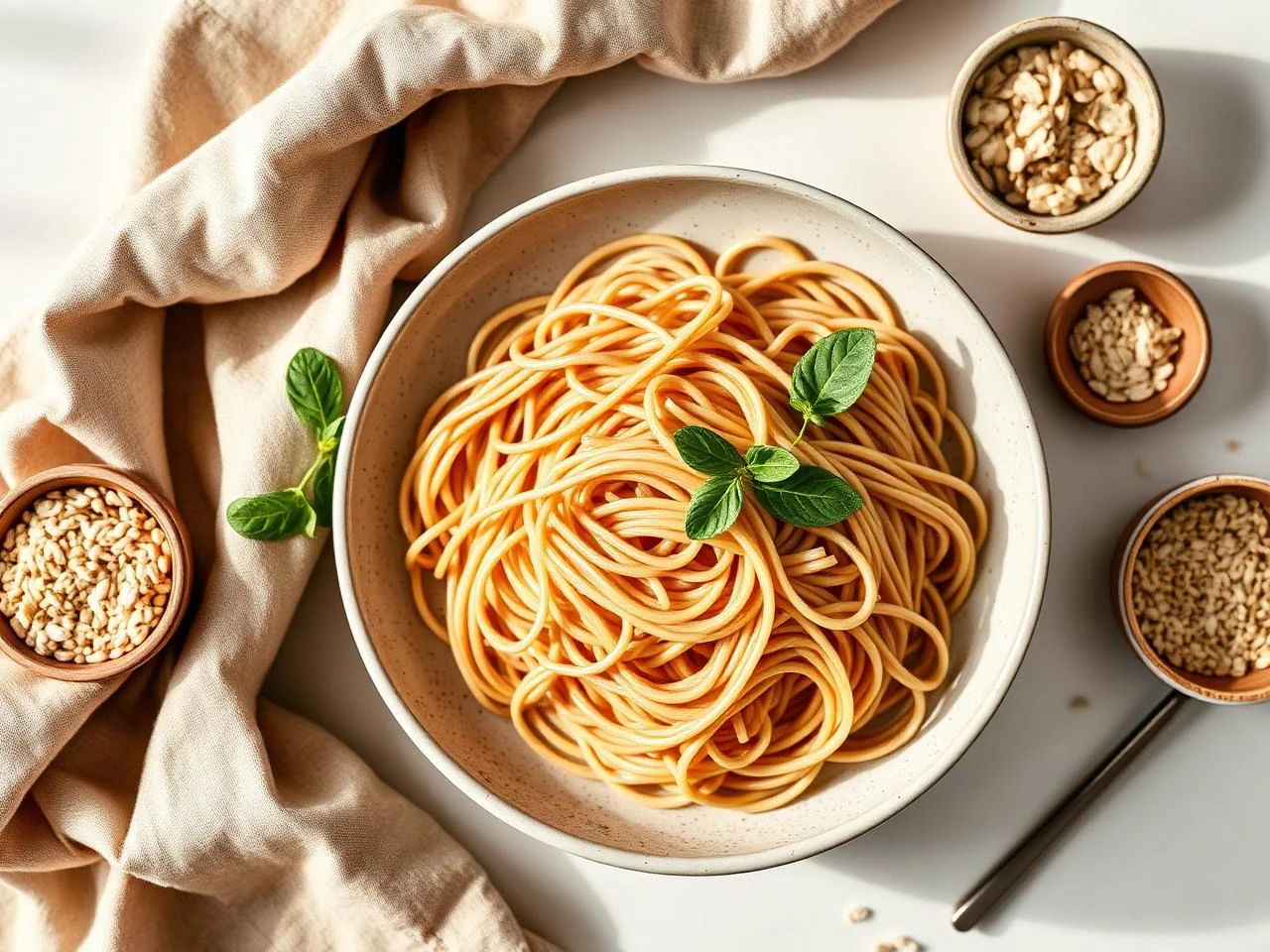
As a home cook who's passionate about gluten-free cooking, I've always been on the lookout for recipes that are not only delicious but also easy to make. That's why I'm excited to share with you my recipe for buckwheat soba noodles, a dish that's perfect for a quick and easy meal. I still remember the first time I tried making soba noodles from scratch - it was a game-changer for me, and I knew I had to share it with others.
What I love about this recipe is that it's incredibly versatile. You can serve the noodles with your favorite sauce, whether it's a simple soy sauce and sesame oil combination or a more complex sauce made with ingredients like garlic, ginger, and chili flakes. The possibilities are endless, and I'm excited to see how you'll choose to enjoy your buckwheat soba noodles.
One of the things that sets this recipe apart is the use of buckwheat flour, which gives the noodles a unique nutty flavor and a slightly denser texture than traditional soba noodles. I've also included a blend of rice flour and tapioca starch to help the noodles hold together and give them a more tender bite.
As someone who's passionate about gluten-free cooking, I know how important it is to have access to recipes that are not only delicious but also safe to eat. That's why I've taken the time to carefully craft this recipe, using only the highest-quality ingredients and techniques to ensure that the noodles turn out perfectly every time.
So whether you're a seasoned cook or just starting out, I hope you'll give this recipe a try. With its simple ingredients and easy-to-follow instructions, it's the perfect dish for anyone looking to add a little excitement to their meal routine. And who knows - you might just find that it becomes a staple in your kitchen, just like it has in mine.
Why You’ll Love This Recipe
- This recipe is easy to make and requires minimal ingredients.
- The noodles are gluten-free, making them perfect for those with dietary restrictions.
- The dish is versatile and can be served with a variety of sauces and toppings.
- The noodles have a unique nutty flavor and a slightly denser texture than traditional soba noodles.
- The recipe is perfect for a quick and easy meal.
- The noodles can be made ahead of time and stored in the fridge or freezer for later use.
Why This Recipe Works
The key to making great buckwheat soba noodles is to use a combination of the right ingredients and the right techniques. By blending buckwheat flour with rice flour and tapioca starch, we create a dough that's not only gluten-free but also tender and easy to work with.
The hydration rest is also crucial, as it allows the starches in the flour to fully absorb the liquid and the gluten-free flours to bond together. This results in a noodle that's not only delicious but also has a great texture.
Another important factor is the temperature and cooking time. By cooking the noodles in boiling water for a short amount of time, we can achieve the perfect doneness without overcooking them.
Finally, the resting time after cooking is essential, as it allows the noodles to retain their texture and flavor. By following these simple steps, you'll be able to create delicious buckwheat soba noodles that are sure to impress.
Ingredients You’ll Need
To make these delicious buckwheat soba noodles, you'll need a few simple ingredients. The key players are buckwheat flour, rice flour, and tapioca starch, which provide the structure and texture of the noodles. You'll also need some water, salt, and a bit of xanthan gum to help the dough come together.
When shopping for these ingredients, be sure to choose high-quality options that are fresh and have not been contaminated with gluten. This will ensure that your noodles turn out perfectly and are safe to eat.
- 2 cups (250g) buckwheat flourBuckwheat flour provides the nutty flavor and denser texture of the noodles. Choose a high-quality, fresh flour that has not been contaminated with gluten.
- 1 cup (120g) rice flourRice flour helps to lighten the texture of the noodles and provides structure. Use a short-grain rice flour for the best results.
- 1/2 cup (60g) tapioca starchTapioca starch helps to bind the dough together and provides a tender texture. Choose a high-quality, gluten-free starch.
- 1/4 teaspoon xanthan gumXanthan gum helps to strengthen the gluten-free flours and provides a more tender texture. Use a small amount, as too much can make the noodles tough.
- 1/2 teaspoon saltSalt enhances the flavor of the noodles and helps to bring out the nutty flavor of the buckwheat. Use a high-quality, gluten-free salt.
- 1 large egg, beatenThe egg helps to bind the dough together and provides moisture. Choose a fresh, high-quality egg.
- 1 tablespoon (15ml) olive oilOlive oil helps to keep the noodles from sticking together and provides a bit of flavor. Choose a high-quality, gluten-free oil.
- 1 cup (240ml) waterWater helps to hydrate the dough and provides the right consistency. Use fresh, cold water for the best results.
- 1 teaspoon sesame oilSesame oil provides a bit of flavor and helps to keep the noodles from sticking together. Choose a high-quality, gluten-free oil.
- 1/4 cup (30g) chopped scallions, for garnishChopped scallions provide a bit of flavor and a pop of color. Choose fresh, high-quality scallions and chop them just before using.
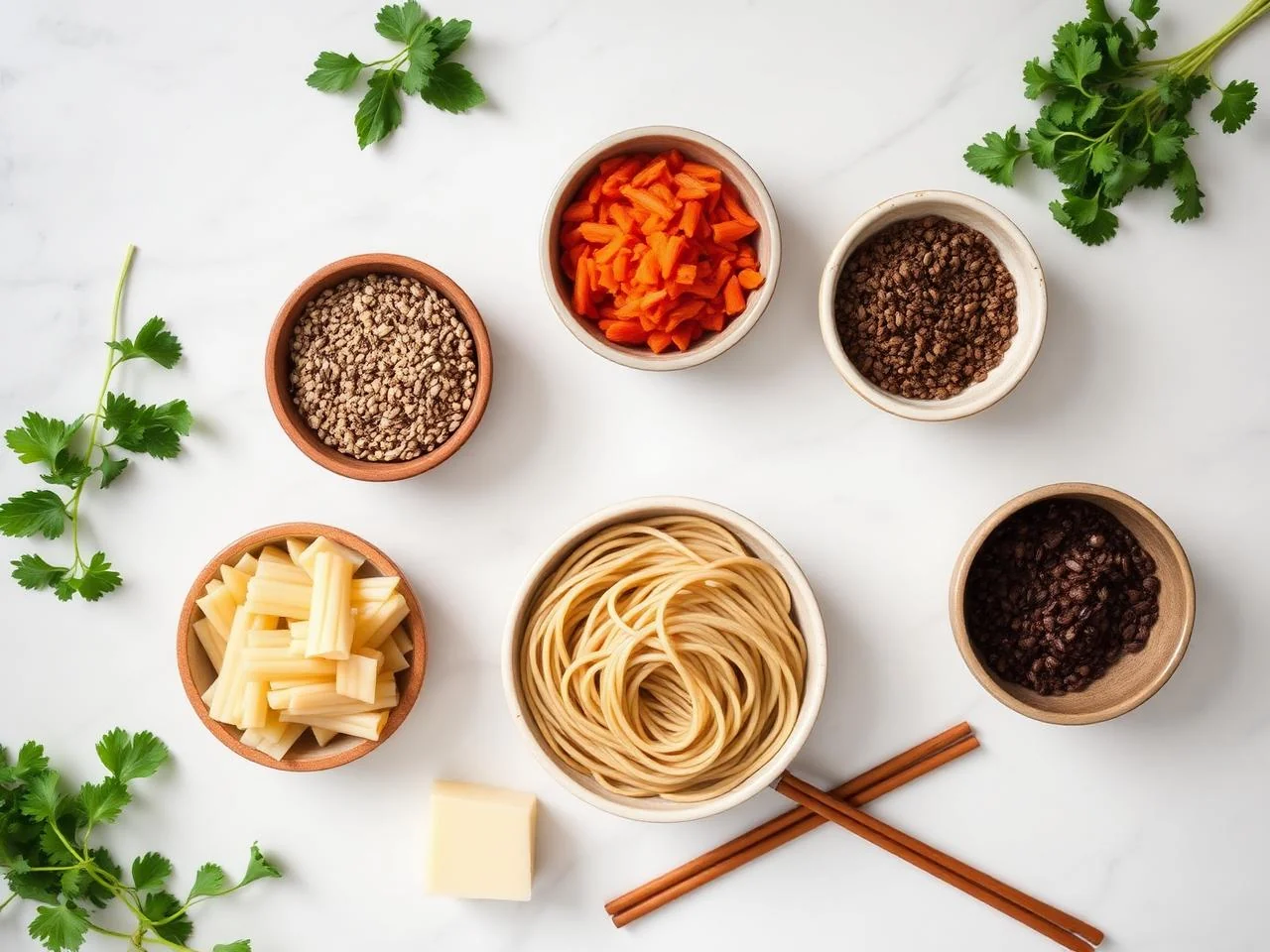
Equipment You’ll Need
How to Make Buckwheat Soba Noodles
- 1In a large mixing bowl, combine the buckwheat flour, rice flour, tapioca starch, xanthan gum, and salt. Whisk the ingredients together until they are well combined.
- 2Add the beaten egg, olive oil, and water to the bowl. Mix the ingredients together until a dough forms.
- 3Knead the dough on a floured surface for about 10 minutes, until it becomes smooth and elastic.
- 4Wrap the dough in plastic wrap and let it rest for 20-30 minutes, allowing the gluten-free flours to hydrate and the starches to absorb the liquid.
- 5Divide the dough into 4 equal pieces and roll out each piece into a long, thin rope.
- 6Cut the rope into thin noodles, using a sharp knife or pasta cutter. You should end up with around 1/4 inch (6mm) thick noodles.
- 7Bring a large pot of salted water to a boil and cook the noodles for 2-3 minutes, or until they are slightly tender but still have a bit of bite.
- 8Check the noodles for doneness by biting into one. If it's still too hard, cook for an additional minute and check again.
- 9Drain the noodles in a colander or strainer and rinse them with cold water to stop the cooking process.
- 10Toss the noodles with a bit of sesame oil to keep them from sticking together and serve hot, garnished with chopped scallions.
- 11Let the noodles rest for a few minutes before serving, allowing them to retain their texture and flavor.
Expert Tips
- Use a high-quality, fresh buckwheat flour for the best results.
- Don't overmix the dough, as this can make the noodles tough.
- Let the dough rest for the full 20-30 minutes to allow the gluten-free flours to hydrate and the starches to absorb the liquid.
- Use a sharp knife or pasta cutter to cut the noodles, as this will help them to cook evenly.
- Don't overcook the noodles, as this can make them mushy and unappetizing.
- Toss the noodles with a bit of sesame oil after cooking to keep them from sticking together.
- Experiment with different sauces and toppings to find your favorite way to enjoy the noodles.
- Consider adding a bit of salt or sugar to the dough to enhance the flavor of the noodles.
Common Mistakes to Avoid
- Using a low-quality or stale buckwheat flour, which can result in a dense or unpleasantly flavored noodle.
- Overmixing the dough, which can make the noodles tough and unappetizing.
- Not letting the dough rest for the full 20-30 minutes, which can result in a noodle that is not fully hydrated and may be prone to breaking.
- Overcooking the noodles, which can make them mushy and unappetizing.
- Not using enough salt in the cooking water, which can result in a noodle that is bland or unappetizing.
- Not rinsing the noodles with cold water after cooking, which can make them sticky and unappetizing.
Variations and Substitutions
- Add a bit of grated ginger or garlic to the dough for extra flavor.
- Use different types of flour, such as brown rice flour or millet flour, to create a unique flavor and texture.
- Add a bit of sugar or honey to the dough to balance out the flavor.
- Use a different type of oil, such as coconut oil or avocado oil, to add a unique flavor to the noodles.
- Experiment with different sauces and toppings, such as a spicy sauce or a tangy slaw, to find your favorite way to enjoy the noodles.
- Add some chopped herbs or spices to the dough for extra flavor and color.
- Consider adding some grated vegetables, such as carrots or zucchini, to the dough for extra nutrition and flavor.
What to Serve With Buckwheat Soba Noodles
These buckwheat soba noodles are delicious served hot or cold, and can be paired with a variety of sauces and toppings. Some ideas include a simple soy sauce and sesame oil combination, a spicy sauce made with gochujang and chili flakes, or a tangy slaw made with shredded cabbage and carrots.
Consider serving the noodles with some grilled or sautéed vegetables, such as bell peppers or broccoli, for a nutritious and filling meal. You could also add some sliced meats or tofu for extra protein and flavor.
Make-Ahead, Storage, Freezing and Reheating
To store the buckwheat soba noodles, simply place them in an airtight container in the fridge for up to 3 days. You can also freeze the noodles for up to 2 months, and then thaw them in the fridge or at room temperature when you're ready to use them.
To reheat the noodles, simply cook them in boiling water for a few minutes, or microwave them for 20-30 seconds. You can also add a bit of sesame oil or other sauce to the noodles to keep them from sticking together and to add flavor.
It's also a good idea to label the container with the date and contents, so you can easily keep track of how long the noodles have been stored. And be sure to check the noodles for any signs of spoilage before consuming them, such as an off smell or slimy texture.
By following these simple storage and reheating instructions, you can enjoy your buckwheat soba noodles for days to come, and experiment with different sauces and toppings to find your favorite way to enjoy them.
Frequently Asked Questions
What type of flour is best to use for buckwheat soba noodles?
A combination of buckwheat flour, rice flour, and tapioca starch is best for making buckwheat soba noodles. This blend provides the right balance of texture and flavor.
How long do I need to rest the dough?
The dough should be rested for at least 20-30 minutes to allow the gluten-free flours to hydrate and the starches to absorb the liquid.
Can I use a different type of oil?
Yes, you can use a different type of oil, such as coconut oil or avocado oil, to add a unique flavor to the noodles.
How do I cook the noodles?
The noodles should be cooked in boiling water for 2-3 minutes, or until they are slightly tender but still have a bit of bite.
Can I freeze the noodles?
Yes, the noodles can be frozen for up to 2 months, and then thawed in the fridge or at room temperature when you're ready to use them.
How do I reheat the noodles?
The noodles can be reheated in boiling water for a few minutes, or microwaved for 20-30 seconds. You can also add a bit of sesame oil or other sauce to the noodles to keep them from sticking together and to add flavor.
What are some common mistakes to avoid when making buckwheat soba noodles?
Some common mistakes to avoid include using a low-quality or stale buckwheat flour, overmixing the dough, and not letting the dough rest for the full 20-30 minutes.
Can I add flavorings to the dough?
Yes, you can add flavorings such as grated ginger or garlic to the dough for extra flavor.
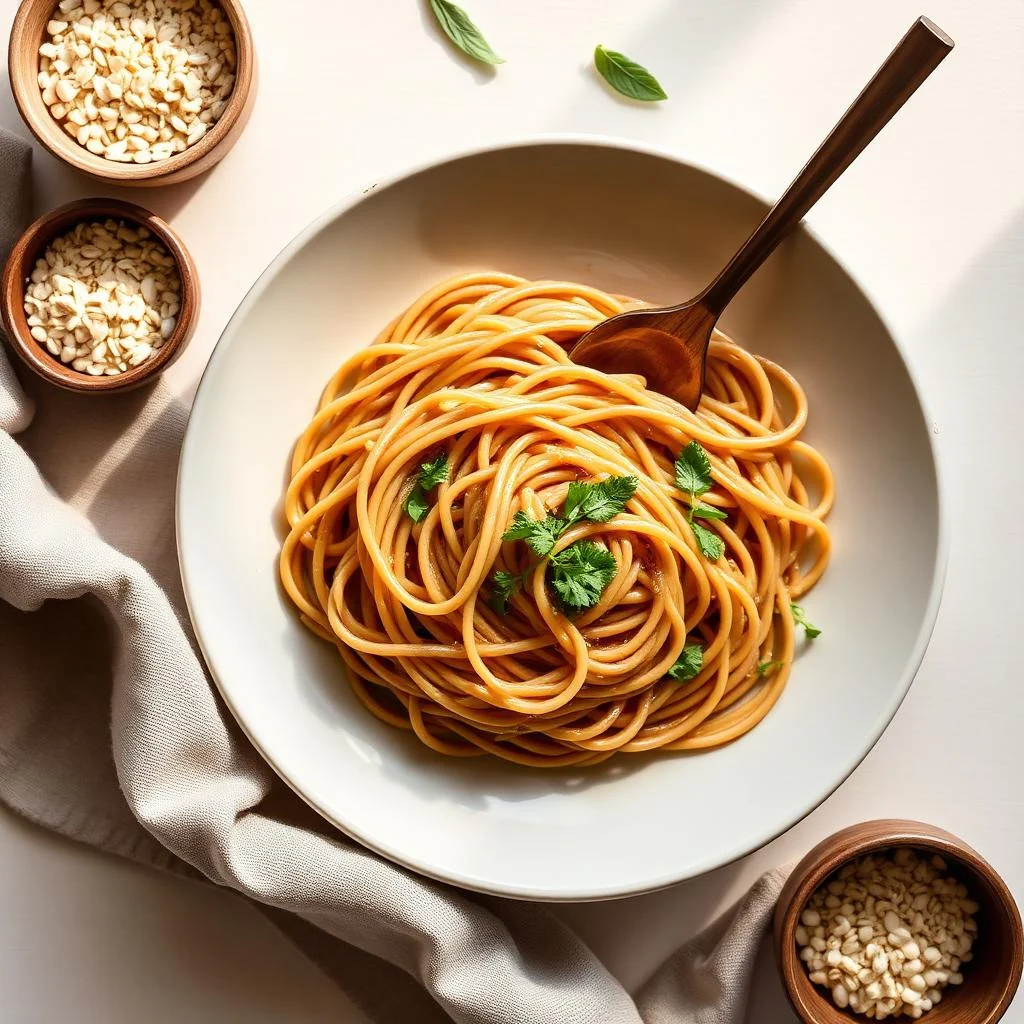
Ingredients
- 2 cups (250g) buckwheat flour
- 1 cup (120g) rice flour
- 1/2 cup (60g) tapioca starch
- 1/4 teaspoon xanthan gum
- 1/2 teaspoon salt
- 1 large egg, beaten
- 1 tablespoon (15ml) olive oil
- 1 cup (240ml) water
- 1 teaspoon sesame oil
- 1/4 cup (30g) chopped scallions, for garnish
Instructions
- In a large mixing bowl, combine the buckwheat flour, rice flour, tapioca starch, xanthan gum, and salt. Whisk the ingredients together until they are well combined.
- Add the beaten egg, olive oil, and water to the bowl. Mix the ingredients together until a dough forms.
- Knead the dough on a floured surface for about 10 minutes, until it becomes smooth and elastic.
- Wrap the dough in plastic wrap and let it rest for 20-30 minutes, allowing the gluten-free flours to hydrate and the starches to absorb the liquid.
- Divide the dough into 4 equal pieces and roll out each piece into a long, thin rope.
- Cut the rope into thin noodles, using a sharp knife or pasta cutter. You should end up with around 1/4 inch (6mm) thick noodles.
- Bring a large pot of salted water to a boil and cook the noodles for 2-3 minutes, or until they are slightly tender but still have a bit of bite.
- Check the noodles for doneness by biting into one. If it's still too hard, cook for an additional minute and check again.
- Drain the noodles in a colander or strainer and rinse them with cold water to stop the cooking process.
- Toss the noodles with a bit of sesame oil to keep them from sticking together and serve hot, garnished with chopped scallions.
- Let the noodles rest for a few minutes before serving, allowing them to retain their texture and flavor.