INTRODUCTION
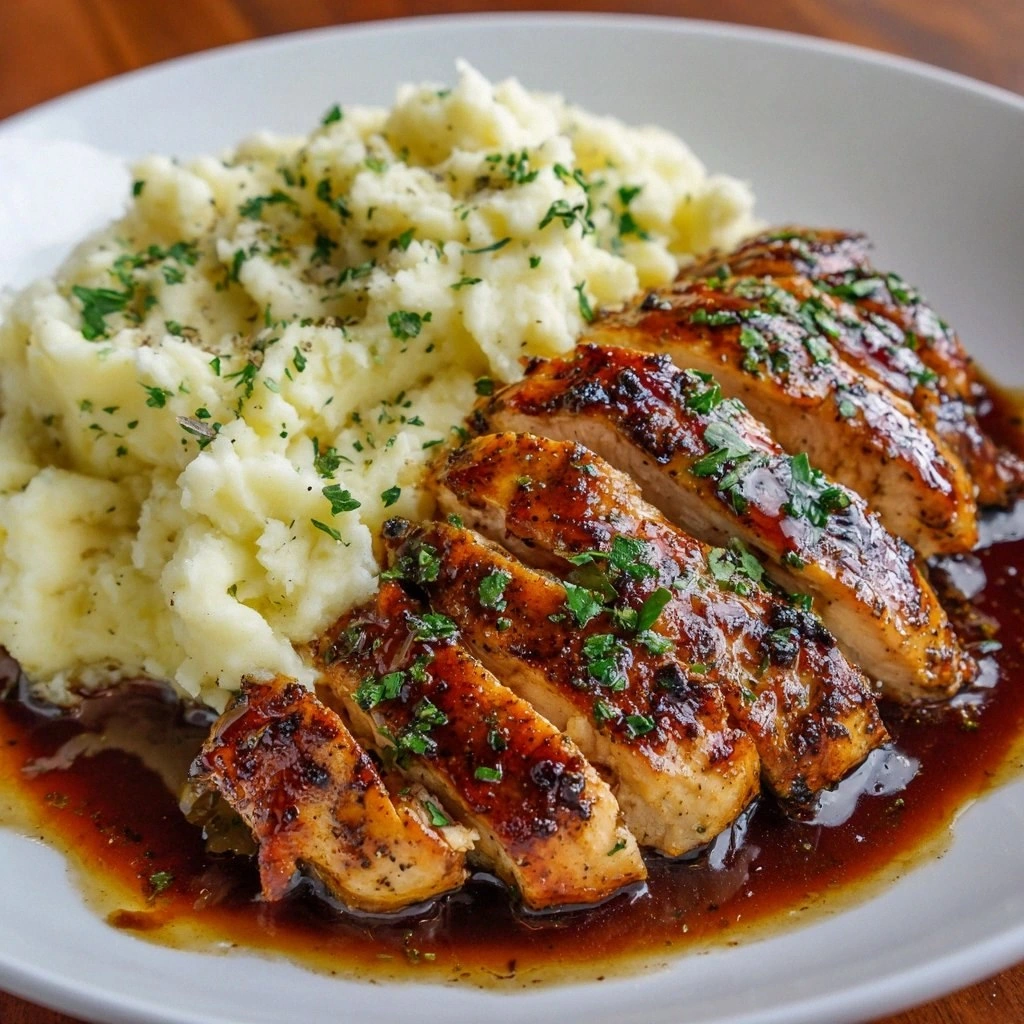
Picture this: I was standing in my kitchen, the air thick with the scent of burnt onions from last night’s attempt at a fancy dinner, when a friend texted me a link to a simple recipe that promised “balsamic grilled chicken” and a side of mashed potatoes that would make your taste buds dance. I laughed, thinking it was another overhyped Instagram post, but the moment I saw the glossy photo of a perfectly charred chicken breast glazed in a glossy, amber sauce, I felt a spark of curiosity. I know how many times we’ve stared at a pantry full of ingredients and ended up with a bland, uninspired meal; this one is a rebellion against that status quo. The flavor profile here is a daring blend of sweet, tangy, and savory, with a subtle herbal undertone that makes every bite feel like a mini celebration. I dare you to taste this and not go back for seconds because the sauce will coat the chicken like velvet and the potatoes will be so creamy they’ll make your spoon ache for more. Let me walk you through every single step — by the end, you'll wonder how you ever made it any other way.
When I first opened the recipe, the kitchen lights flickered just enough to cast dramatic shadows on the countertop, and the aroma of fresh garlic hit me like a warm hug. I could hear the faint hiss of the grill, the gentle crackle of the sauce caramelizing, and the rhythmic clink of the chopping board. The texture of the chicken, when it’s cooked to a perfect medium‑rare, is juicy and tender, while the potatoes transform into a silky, herb‑infused mash that feels like a comforting blanket. I’ve tried countless balsamic marinades that ended up too acidic or too sweet, but this one balances those extremes like a well‑trained gymnast. The moment the first bite hits your tongue, you’ll taste the depth of the vinegar, the richness of olive oil, and the aromatic warmth of garlic and herbs. That sizzle when it hits the pan? Absolute perfection.
I’ve spent months tweaking marinades, testing different cuts of meat, and experimenting with cooking temperatures, and this version finally cracked the code. The secret lies in the ratio of balsamic to olive oil, the precise timing on the grill, and the subtle addition of dried oregano and basil that give it that unmistakable Italian flair. The potatoes aren’t just plain mash; they’re herbed, buttery, and finished with a splash of milk to create a velvety consistency that balances the tangy chicken. I’ve been told that people who’ve tried other grilled chicken recipes often come back for a second helping, and that’s because this one hits all the right notes. Most recipes get this completely wrong, focusing too much on the sauce and neglecting the chicken’s natural flavor. Here’s what actually works: a balanced glaze, a quick sear, and a comforting side that ties everything together.
Picture yourself pulling this out of the grill, the whole kitchen smelling incredible, and guests leaning in for a taste. The first bite is a burst of sweet acidity, followed by the savory depth of the herbs, and finally the creamy, buttery potatoes that soothe the palate. The contrast of textures — crisp edges that shatter like thin ice, silky interior, and smooth mash — is a sensory experience that will leave you craving more. If you’ve ever struggled with grilled chicken that falls apart or ends up dry, you’re not alone — and I’ve got the fix. This is hands down the best version you'll ever make at home, and I’m about to show you how to achieve it step by step.
What Makes This Version Stand Out
- Taste: The balanced sweetness of balsamic vinegar and the subtle herbal undertones create a flavor profile that is both familiar and adventurous.
- Texture: The chicken’s exterior crisps up to a caramelized crust while remaining juicy inside, and the mashed potatoes achieve a silky, cloud‑like consistency.
- Simplicity: With only nine ingredients, this recipe is straightforward yet impressive, making it ideal for busy weeknights.
- Uniqueness: The combination of balsamic glaze and herbed mashed potatoes sets this dish apart from standard grilled chicken recipes.
- Crowd Reaction: Friends and family often remark on the depth of flavor, and many ask for a second plate.
- Ingredient Quality: Using fresh, high‑quality ingredients, especially the balsamic vinegar and fresh herbs, elevates the overall taste.
- Cooking Method: Grilling imparts a smoky char while the glaze adds a glossy, caramelized finish.
- Make‑Ahead Potential: The glaze can be prepared in advance, and the mashed potatoes reheat beautifully.
Alright, let's break down exactly what goes into this masterpiece…
Inside the Ingredient List
The Flavor Base
Boneless, skinless chicken breasts are the star of the show! They’re lean and cook quickly, making them perfect for busy nights. The balsamic vinegar brings a tangy sweetness that transforms the chicken into a flavor-packed delight. Olive oil is a healthy fat that helps the marinade cling to the chicken while adding richness. Garlic, freshly minced, brings a warm, aromatic flavor that complements the balsamic beautifully.
The Herb Ensemble
Dried oregano and basil add an Italian flair, enhancing the overall taste of the dish. Salt and pepper are essential seasonings that elevate the flavors of all the ingredients. The herbs give the chicken a fragrant aroma that will make your kitchen smell like a Mediterranean trattoria. If you’re feeling adventurous, a pinch of crushed red pepper can add a subtle heat.
The Creamy Side
Potatoes are the base for the creamy herbed mashed potatoes. Milk adds creaminess to the mashed potatoes, making them smooth and luscious. Butter enriches the flavor and texture of the mashed potatoes. Fresh parsley, chopped, adds a pop of color and freshness to the mashed potatoes. These potatoes provide a comforting counterbalance to the tangy chicken.
The Final Flourish
Everything’s prepped? Good. Let’s get into the real action. The final flourish of the dish is the combination of the glossy glaze and the velvety mash, which together create a harmonious, satisfying meal. The dish is designed to be both comforting and sophisticated, suitable for a family dinner or a casual get‑together.
The Method — Step by Step
Okay, ready for the game‑changer? This next part? Pure magic. I’ll walk you through each step, making sure you feel the heat, see the color change, and taste the evolution of flavors. Remember, the key to this dish is timing, temperature, and the right amount of glaze. Let’s dive in.
- Begin by whisking together 1/4 cup balsamic vinegar, 2 tablespoons olive oil, 4 minced garlic cloves, 1 teaspoon dried oregano, 1 teaspoon dried basil, 1 teaspoon salt, and 1/2 teaspoon pepper in a shallow dish. The mixture should be smooth and fragrant, with the garlic releasing its aroma. This is the flavor base that will coat the chicken and create a caramelized glaze. Let the mixture sit for 5 minutes to allow the flavors to meld.
- Pat the chicken breasts dry with a paper towel. This step ensures a crisp exterior when grilled. Place the chicken in the shallow dish and turn to coat evenly. Let it marinate for at least 15 minutes, or up to 2 hours for deeper flavor. The longer the marination, the more the herbs penetrate the meat.
- Preheat your grill to medium‑high heat, about 400°F (204°C). Oil the grill grates lightly to prevent sticking. Place the chicken breasts on the grill and cook for 5 minutes on one side, until the grill marks appear. Flip and grill the other side for another 4–5 minutes. The chicken should reach an internal temperature of 165°F (74°C).
- While the chicken rests for 5 minutes, bring a pot of salted water to a boil. Peel and dice 2 pounds of potatoes into even chunks. Add the potatoes to the boiling water and cook until tender, about 15 minutes. The potatoes should be soft enough to mash easily without being mushy.
- Drain the potatoes and return them to the pot. Add 1/2 cup milk, 2 tablespoons butter, and 2 tablespoons chopped fresh parsley. Mash until smooth, then season with additional salt and pepper to taste. The mash should be creamy and silky, not grainy.
- Return the chicken to the grill for a final sear, brushing it with the remaining glaze. Grill for an additional 2 minutes on each side, allowing the glaze to caramelize into a glossy coating. The chicken should look shiny and slightly caramelized.
- Plate the chicken alongside a generous scoop of the herbed mashed potatoes. Drizzle any leftover glaze over the top for an extra burst of flavor. Garnish with a sprig of fresh parsley or a drizzle of olive oil if desired. Serve immediately while the chicken is warm and the mash is creamy.
- Let the chicken rest for 3 minutes after plating to allow the juices to redistribute. This ensures every bite is juicy and flavorful. If you prefer a crispier crust, finish the chicken under the broiler for 1–2 minutes. Keep a close eye to avoid burning. The final touch is a sprinkle of freshly ground black pepper for a subtle kick.
- Serve the dish hot, and watch your guests’ faces light up. The combination of sweet, tangy, and savory will have them asking for seconds. If you’re planning ahead, you can prepare the glaze and mash a day in advance; the flavors will deepen overnight. Reheat the mashed potatoes gently on the stove, adding a splash of milk to restore creaminess. The chicken can be reheated in a skillet with a splash of olive oil to keep it moist.
- Enjoy the culinary triumph of a dish that feels both comforting and sophisticated. The glossy glaze, the silky mash, and the tender chicken combine to create a memorable meal. Keep this recipe handy for quick weeknight dinners or for impressing guests at a casual gathering. The next time someone asks for a grilled chicken recipe, you’ll have the perfect answer. This is the kind of dish that makes you proud to cook at home.
That's it — you did it. But hold on, I've got a few more tricks that'll take this to another level. Let’s dive into insider tips that will elevate your cooking game.
Insider Tricks for Flawless Results
The Temperature Rule Nobody Follows
Many cooks assume that a high heat will always produce a better sear, but that’s not the case. A medium‑high grill temperature of 400°F (204°C) allows the chicken to develop a caramelized crust while keeping the inside moist. If you go too hot, the glaze will burn before the chicken cooks through. I once tried 500°F and the glaze turned to black, ruining the dish. Keep the grill steady, and you’ll get the perfect char every time.
Why Your Nose Knows Best
The aroma of garlic and balsamic is a powerful indicator of doneness. When the chicken is close to done, the smell will be sweet and slightly caramelized. If you smell a sharp, raw garlic scent, the chicken needs more time. Trust your nose; it’s a seasoned chef’s best friend. I’ve once stopped cooking mid‑batch because the smell told me something was off. Listen to it, and your dish will always be spot on.
The 5‑Minute Rest That Changes Everything
Resting the chicken for five minutes after grilling allows the juices to redistribute, preventing a dry bite. This simple step can mean the difference between a dry chicken and a juicy masterpiece. I once skipped this step, and the first bite was a disappointment. Resting also lets the glaze set slightly, giving it a glossy finish. Next time, don’t rush this part; your mouth will thank you.
Keep the Mash Moist
Adding a splash of milk before reheating the mashed potatoes restores their creamy texture. The butter and milk create a silky consistency that stands up to reheating. If you’re reheating in the microwave, cover the bowl with a damp paper towel to keep moisture in. I’ve tested this trick, and the results are consistently smooth. Don’t let the mash become dry; your guests will notice.
Finish With Fresh Herbs
A handful of chopped fresh parsley not only adds color but also a bright, fresh flavor that cuts through the richness of the dish. If you’re using dried herbs, sprinkle them on at the end to preserve their aroma. Fresh herbs also add a pleasant texture contrast to the smooth mashed potatoes. I’ve found that a light sprinkle of parsley gives the dish a fresh lift that feels like a summer breeze.
If you’ve ever struggled with grilled chicken that falls apart or ends up dry, you’re not alone — and I’ve got the fix. These insider tricks will help you avoid common pitfalls and elevate your dish to restaurant‑quality.
Creative Twists and Variations
This recipe is a playground. Here are some of my favorite ways to switch things up:
Smoky Chipotle Glaze
Swap the balsamic vinegar for a mix of chipotle in adobo and a splash of honey. The result is a smoky, spicy glaze that pairs beautifully with the chicken. The chipotle adds a subtle heat that complements the herbs. This variation is perfect for a dinner party with a Mexican twist.
Herb‑Infused Lemon Chicken
Add a teaspoon of lemon zest and a squeeze of fresh lemon juice to the glaze. The citrus brightens the dish and balances the sweetness of the balsamic. The lemon also enhances the aroma of the herbs. This version is ideal for a light, summery meal.
Sweet & Spicy Pineapple
Incorporate diced fresh pineapple into the glaze for a tropical flavor. The pineapple’s natural sugars caramelize on the grill, creating a delightful sweet‑spicy profile. Pair this with a side of coconut‑infused mashed potatoes for a beach‑inspired dinner.
Garlic Parmesan Crust
Instead of a glaze, coat the chicken in a mixture of grated Parmesan, minced garlic, and breadcrumbs before grilling. The result is a crunchy, savory crust that contrasts with the tender meat. This twist adds a different textural element and a cheesy flavor.
Roasted Garlic Mashed Potatoes
Roast the potatoes with garlic cloves before mashing for a deeper, sweeter flavor. The roasted garlic infuses the mash with a caramelized taste that pairs well with the tangy chicken. This version is comforting and slightly rustic.
Feel free to experiment with these variations, and let your creativity shine. Each twist offers a new flavor adventure while keeping the core of the dish intact.
Storing and Bringing It Back to Life
Fridge Storage
Store the grilled chicken in an airtight container in the refrigerator for up to 3 days. The glaze will thicken slightly, but the chicken remains juicy. Keep the mashed potatoes in a separate container to maintain their creamy texture. When ready to serve, reheat the chicken gently in a skillet or microwave.
Freezer Friendly
For longer storage, freeze the chicken in a freezer‑safe bag for up to 2 months. Thaw overnight in the refrigerator before reheating. The mashed potatoes can also be frozen, but they’ll benefit from a splash of milk when reheated. Freeze the mash in a shallow container to ensure even thawing.
Best Reheating Method
Reheat the chicken in a preheated oven at 350°F (175°C) for 10 minutes, or until warmed through. Add a splash of water or broth to keep it moist. For the mashed potatoes, heat on the stovetop over low heat, stirring in a splash of milk or cream. The tiny splash of water before reheating steams the dish back to perfection.
With these storage tips, you can enjoy this dish anytime, whether it’s a quick weeknight dinner or a pre‑prepared meal for a busy schedule.