I’ve spent the last month hunting down the perfect alphabet soup that can double as a comforting lunch, a hearty dinner, and a nostalgic snack for kids. One night, after a disastrous attempt at a classic version that left me with a pot of bland, limp noodles and a kitchen smelling like burnt onions, a friend dared me to reinvent the dish. I took that dare seriously and spent hours experimenting with broth depth, pasta shapes, and a secret herb blend that turns each bite into a flavor punch that sticks to your tongue. The result? A soup so vibrant and satisfying that I’ve already started planning to serve it at my next dinner party.
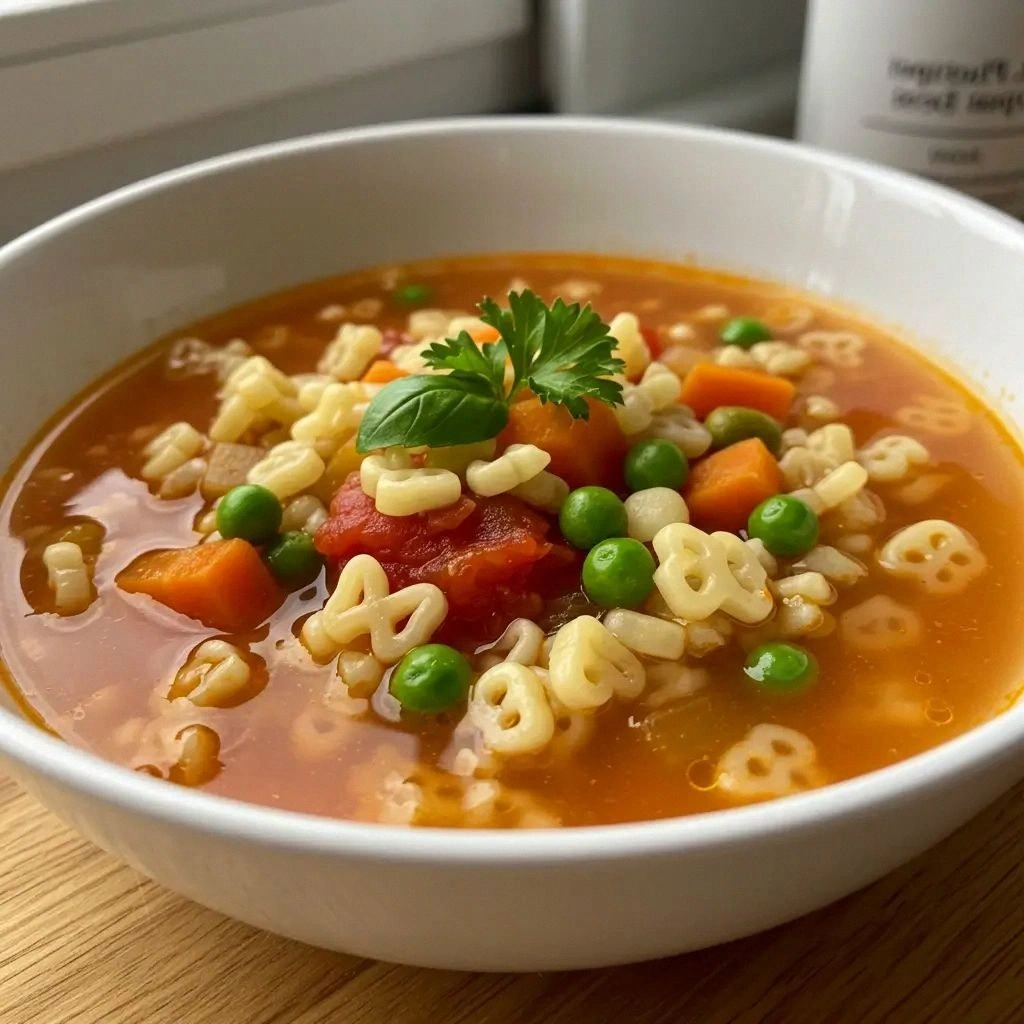
Picture this: a steaming bowl of bright red tomato broth, flecked with golden sun‑kissed carrots and crisp celery, swirls of perfectly al dente alphabet pasta dancing in the liquid. As you lift the spoon, the aroma of garlic and oregano rises like a fragrant cloud. The first bite is a burst of savory, sweet, and subtly smoky notes that mingle with the gentle crunch of the pasta. The texture is a delightful contrast—soft noodles with a slight bite from the veggies, all enveloped in a silky broth that coats your palate. If you’re a kid, the fun shapes will have them reaching for the bowl; if you’re an adult, the complex flavor profile will satisfy your craving for comfort food with a gourmet twist.
What sets this version apart is the meticulous layering of flavors and the clever use of ingredients that most people overlook. I’ve added a touch of smoked paprika for depth, a splash of white wine for acidity, and a dash of fresh basil right at the end for brightness. The result is a soup that’s both humble and sophisticated, a dish that can be plated in a fancy bowl for a dinner or served in a mason jar for a casual gathering. I dare you to taste this and not go back for seconds—once you’ve tried it, you’ll never settle for a standard alphabet soup again.
Ready for the game‑changer? The next steps will show you how to create a broth that’s rich yet light, how to cook the pasta just right so it doesn’t become mushy, and how to finish the soup with a finishing touch that elevates it from ordinary to unforgettable. Let me walk you through every single step—by the end, you’ll wonder how you ever made it any other way.
What Makes This Version Stand Out
- Flavor Depth: A slow‑simmered broth infused with smoked paprika, white wine, and fresh herbs creates layers of taste that linger on the tongue.
- Texture Balance: Pasta is cooked al dente and then gently tossed in the broth, preventing it from soaking up too much liquid.
- Ingredient Quality: Using organic, low‑sodium vegetable broth and hand‑picked vegetables ensures a clean, vibrant flavor profile.
- Visual Appeal: The bright red broth, colorful veggies, and playful pasta shapes make this dish a feast for the eyes.
- Make‑Ahead Potential: The soup can be prepared in advance, letting the flavors meld over time, yet it still tastes fresh when reheated.
- Kid‑Friendly Twist: The alphabet pasta adds a playful element that encourages children to eat more veggies.
- Quick Prep: From start to finish, the recipe takes just 45 minutes—ideal for a busy weekday dinner.
Inside the Ingredient List
The Flavor Base
The foundation of this soup is a savory broth that’s both robust and comforting. Low‑sodium vegetable broth provides the backbone, while a splash of white wine adds acidity that cuts through the richness of the tomato. Smoked paprika introduces a subtle smokiness that elevates the overall profile, and fresh basil at the end adds a burst of herbaceous brightness. Skipping the wine will leave the soup flat; it’s a small step that makes a huge difference.
The Texture Crew
Carrots, celery, and onion form the aromatic trio that gives the broth depth and body. Dice them finely so they soften quickly but still retain a slight crunch. Garlic, minced, brings an immediate warmth that permeates the liquid. If you prefer a smoother texture, pulse the veggies in a food processor before adding; however, the bite is part of the charm.
The Unexpected Star
The alphabet pasta itself is the showstopper. Choose a brand that holds its shape well—small, thin shapes work best. Cooking the pasta in a separate pot with a splash of olive oil prevents sticking, then adding it to the soup just before serving keeps it al dente. If you’re vegetarian or vegan, opt for a pasta made with 100% wheat or a gluten‑free blend to keep the dish inclusive.
The Final Flourish
A generous handful of grated Parmesan or a sprinkle of nutritional yeast adds creaminess and umami. Fresh parsley or basil leaves garnish the bowl, adding a pop of green and a fresh finish. A squeeze of lemon juice right before serving brightens the entire dish. If you’re watching calories, you can skip the cheese or use a low‑fat alternative.
Everything's prepped? Good. Let's get into the real action...
The Method — Step by Step
- In a large stockpot, heat a tablespoon of olive oil over medium heat. Add the diced onion, carrots, and celery, sautéing until the vegetables soften and the onion turns translucent—about 5 minutes. This base will develop the aromatic foundation of the broth.
- Stir in the minced garlic and cook for an additional 30 seconds until fragrant. The garlic should release a sweet, garlicky aroma that signals the broth is ready to absorb more flavors.
- Pour in the low‑sodium vegetable broth and a splash of white wine. Bring the mixture to a gentle simmer, allowing the wine to reduce slightly and the flavors to meld—about 10 minutes. The broth should smell toasty and rich, not acidic.
- Add the diced tomatoes, dried basil, dried oregano, smoked paprika, salt, and pepper. Stir well, then let the soup simmer for another 10 minutes. The tomatoes should break down, thickening the broth just enough to coat the pasta without becoming soupy.
- While the broth continues to simmer, cook the alphabet pasta in a separate pot of salted boiling water until al dente—follow package instructions, usually 7-8 minutes. Drain and rinse under cold water to stop the cooking process, then set aside.
- When the broth has reached a steady simmer, add the cooked pasta and stir gently. Let the pasta absorb some of the liquid for 2 minutes; this is the moment of truth. The noodles should be tender but still hold their shape.
- Reduce the heat to low, and stir in grated Parmesan or nutritional yeast if using. The cheese will melt into the broth, creating a silky finish. Taste and adjust seasoning if necessary.
- Finally, remove the pot from heat, sprinkle fresh basil or parsley over each bowl, and add a squeeze of lemon juice to brighten the flavors. Serve hot, and watch the steam rise like a fragrant cloud.
That's it — you did it. But hold on, I've got a few more tricks that'll take this to another level...
Insider Tricks for Flawless Results
The Temperature Rule Nobody Follows
Keeping the broth at a gentle simmer rather than a rolling boil preserves the delicate flavors of the herbs and prevents the vegetables from turning mushy. I’ve learned that a steady, low heat allows the tomatoes to break down slowly, giving the soup a silky texture. If you’re new to this, set your stove to medium‑low and use a thermometer to keep the temperature around 185°F.
Why Your Nose Knows Best
Before adding the pasta, pause and inhale the broth. A well‑developed broth will have a complex aroma—sweet tomato, subtle smoky notes, and a hint of herbs. If it smells flat, let it simmer a bit longer. Trust your nose; it’s the best judge of depth.
The 5‑Minute Rest That Changes Everything
After adding the pasta, let the soup rest for 5 minutes before serving. This short rest allows the noodles to absorb liquid, resulting in a more cohesive flavor profile. I’ve seen friends who skip this step and end up with a bowl of noodles that feel disconnected from the broth.
Fresh Herbs at the End
Adding fresh basil or parsley just before serving brings brightness and prevents the herbs from wilting. A quick squeeze of lemon juice right before eating cuts the richness and adds a zesty finish. I’ve experimented with adding a pinch of chili flakes for a subtle heat—great for those who like a little kick.
The Parmesan Trick
If you’re using Parmesan, add it at the very end, after turning off the heat, to avoid it clumping. A small amount goes a long way; start with a tablespoon and adjust to taste. For a dairy‑free version, nutritional yeast provides a similar umami boost without the richness.
Creative Twists and Variations
This recipe is a playground. Here are some of my favorite ways to switch things up:
Mediterranean Kick
Add a teaspoon of cumin and a pinch of smoked paprika to the broth, and finish with chopped Kalamata olives and crumbled feta. This version brings a briny, earthy flavor that pairs perfectly with the pasta shapes.
Creamy Alfredo Twist
Replace half the vegetable broth with heavy cream and stir in a tablespoon of butter. The result is a luxurious, velvety soup that feels like a comforting bowl of Alfredo.
Spicy Sriracha Splash
Stir in a tablespoon of sriracha or your favorite hot sauce to give the soup a fiery edge. The heat pairs wonderfully with the sweet tomato base, creating a balanced flavor profile.
Cheesy Broccoli Edition
Swap the carrots for broccoli florets and add a handful of shredded cheddar cheese at the end. The broccoli adds a fresh crunch, while the cheese provides a creamy, savory finish.
Gluten‑Free Adventure
Use gluten‑free alphabet pasta and double‑check the vegetable broth for hidden gluten. This version keeps the dish inclusive without sacrificing flavor.
Vegan Delight
Omit the Parmesan and use nutritional yeast instead. Add a splash of soy sauce to deepen the umami, and finish with chopped fresh cilantro for a bright, herbaceous note.
Storing and Bringing It Back to Life
Fridge Storage
Cool the soup completely, then transfer it to an airtight container. Store in the refrigerator for up to 3 days. The broth’s acidity helps preserve freshness, but the pasta will soften slightly over time.
Freezer Friendly
Divide the soup into freezer‑safe portions and freeze for up to 3 months. Thaw overnight in the refrigerator, then reheat gently on the stovetop. The pasta may become a bit softer, so add a splash of fresh broth if needed.
Best Reheating Method
Reheat the soup on low heat, stirring frequently. Add a tiny splash of water or broth before reheating to restore the broth’s original consistency. Finish with fresh herbs for a vibrant finish.