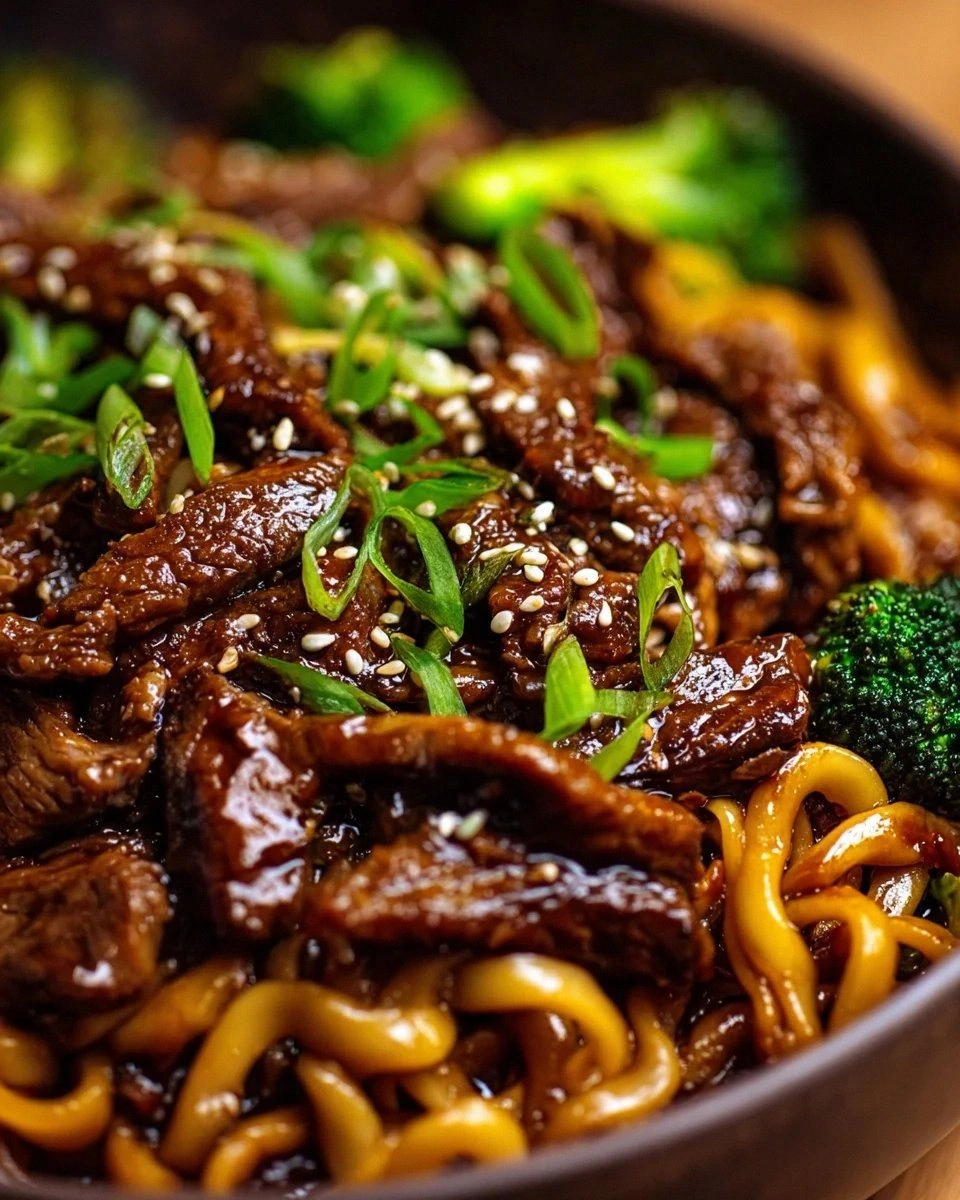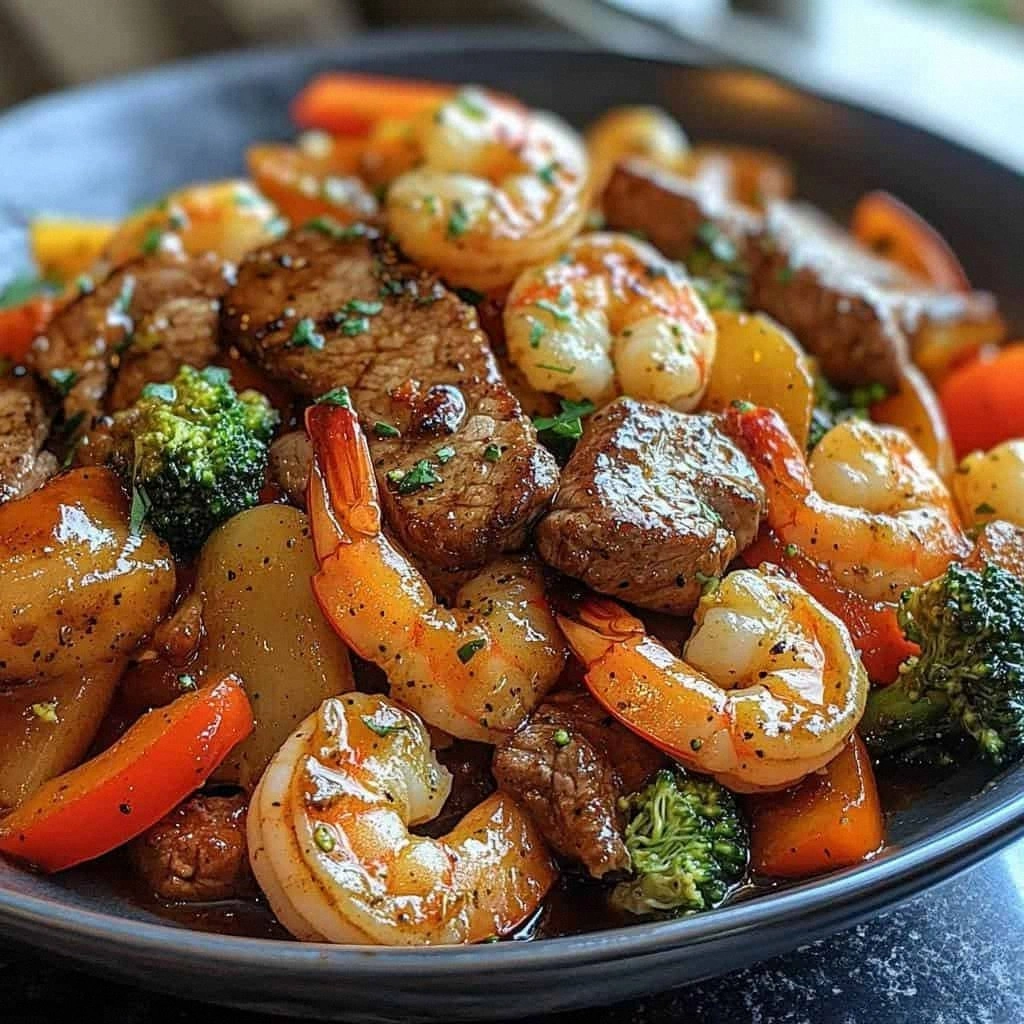
I still remember the night this steak shrimp stir fry saved my sanity. It was one of those Wednesdays that felt like a Monday that had been dipped in glue — everything stuck, nothing moved. The dog had rolled in something unspeakable, my phone refused to charge, and the fridge coughed up a sad collection of random proteins and vegetables that glared at me like mismatched puzzle pieces. Take-out sounded tempting until I remembered the last time I ordered Asian fusion and got a box of limp vegetables swimming in fluorescent sauce. So I rolled up my sleeves, muttered a few creative words, and decided to gamble on a hunch: what if I treated steak and shrimp as equal partners instead of choosing one? Twenty-five minutes later I was standing over the skillet, chopsticks in hand, feeling like I'd just discovered fire. The steak edges were caramelized into little meaty gems, the shrimp had that perfect C-curl snap, and the sauce had reduced until it coated everything like liquid mahogany. I ate half the batch straight from the pan while leaning against the counter, pretending to "test seasoning" but really just hoarding the good bits. When my roommate wandered in, bleary-eyed from studying, one bite turned him into a wide-eyed convert. We finished the entire skillet sitting on the kitchen floor, trading pieces like kids with Halloween candy, already planning the next time we'd make it. That sauce-slicked moment cemented my opinion: most recipes waste the surf-and-turf potential by treating the proteins as an either-or proposition. This version? They tango. Let me walk you through every single step — by the end, you'll wonder how you ever made it any other way.
What Makes This Version Stand Out
- Two-Protein Powerhouse: Steak brings iron-rich savoriness, shrimp adds sweet ocean pop; together they hit every umami button on your tongue.
- Flash-Fry Technique: High heat, minimal oil, and a 90-second sear keep the steak juicy and the shrimp bouncy instead of rubbery.
- Velvet-Silk Sauce: Cornstarch, broth, and oyster sauce marry into a glossy glaze that clings like velvet without the heavy cornstropy gloop you get from lesser recipes.
- Color-Code Veg: Red and green bells aren't just pretty; their different sugar/acid profiles give you sweet-crisp pops against the savory backdrop.
- One-Pan Wonder: Protein, veg, sauce — all in the same skillet, meaning fewer dishes and more time to gloat about your culinary prowess.
- Meal-Prep Hero: Components can be chopped and marinated the night before; at dinner you just fire and toss, making weeknight luxury stupidly attainable.
Alright, let's break down exactly what goes into this masterpiece...
Inside the Ingredient List
The Flavor Base
Soy sauce is the salty backbone, but not all bottles are equal. Reach for a naturally brewed one — the label should list soybeans, wheat, water, salt, nothing else. That fermented depth beats the chemical tang of cheap hydrolyzed stuff. Oyster sauce thickens and sweetens while whispering of briny complexity; if you're allergic to shellfish, mushroom-based vegetarian oyster sauce is a surprisingly stellar swap. Brown sugar balances salt and acid, and its molasses notes caramelize against the wok's heat, giving you those crave-able burnt-sugar edges.
The Texture Crew
Sirloin steak hits the sweet spot between tenderness and affordability; cut it into 1-inch cubes so every surface gets a Maillard kiss without overcooking the center. Large shrimp (26–30 count per pound) stay plump; anything smaller shrivels into sad curls. Cornstarch is your texture MVP: in the marinade it locks juices inside steak and shrimp, and in the sauce it transforms liquid into silk. Vegetables are chosen for staggered cooking times — carrots go in first because they need the longest, snow peas at the very end so they stay snap-bright.
The Unexpected Star
Sesame oil isn't just a finishing perfume; a teaspoon in the marinade seasons from within, giving nutty warmth that blooms under heat. Rice vinegar's gentle acidity lifts the whole dish, preventing the sauce from feeling heavy; if you only have white vinegar, halve the amount or it'll shout over the symphony. Red pepper flakes are optional, but that slow, creeping heat makes the sweet elements sing louder — try a pinch, then thank me later.
The Final Flourish
Fresh garlic and ginger are non-negotiable. Pre-minced jars taste like stale gym socks compared to the vibrant zap you get from smashing and grating your own. Chicken broth stretches the sauce without watering it down; use low-sodium so you control salt levels. And please, for the love of crispy rice, cook a fresh batch instead of nuking yesterday's clumps — the fluffy grains catch sauce like tiny edible napkins.
Everything's prepped? Good. Let's get into the real action...
The Method — Step by Step
- Start by marinating the steak. Toss the cubes with 2 tablespoons soy sauce, 1 tablespoon cornstarch, 1 tablespoon vegetable oil, 1 teaspoon sesame oil, ½ teaspoon ground ginger, and ¼ teaspoon black pepper. Your hands work best here; massage the cornstarch into every cranny so it forms a thin protective coat. Let it sit while you prep everything else — even 10 minutes makes a difference, but 30 is golden. The mixture will look cloudy and slightly goopy; that's exactly what you want.
- Move on to the shrimp. Pat them aggressively dry with paper towels — moisture is the enemy of that golden sear. In a separate bowl, combine the shrimp with 1 tablespoon soy sauce, 1 teaspoon cornstarch, ½ teaspoon sesame oil, and the minced clove of garlic. Stir until each shrimp wears a sheer jacket; this locks in sweetness and prevents rubbery sadness. Park the bowl in the fridge so the cornstarch hydrates and adheres.
- Whisk together your sauce now, because once the pan is roaring there won't be time to fumble. Combine ¼ cup soy sauce, 2 tablespoons oyster sauce, 1 tablespoon brown sugar, 1 tablespoon rice vinegar, 1 tablespoon cornstarch, ½ cup chicken broth, 1 teaspoon sesame oil, and the optional red pepper flakes. The brown sugar will sit like sand at the bottom; keep whisking until it dissolves and the liquid looks like thin chocolate milk. Taste a drop — it should be salty-sweet with a mellow tang.
- Heat a 12-inch stainless or carbon-steel skillet over high heat until a bead of water evaporates on contact. Swirl in 1 tablespoon neutral oil (peanut, canola, grapeseed — anything with a high smoke point). Lay the steak cubes in a single, bossy layer and do not touch them for 90 seconds. I know the urge to shuffle is strong; resist. You're building the Maillard crust that will give you those steak-house flavors in your pajamas.
- After the sear, flip each cube with tongs. Another 60 seconds and they should be medium-rare inside with mahogany edges. Transfer to a warm plate; they'll finish later in the sauce. Do not rinse the pan — those browned bits are liquid gold. Lower heat to medium, add another teaspoon of oil if the pan looks dry, and scatter in the shrimp. They'll curl and blush within 90 seconds; flip once and cook until just opaque. Evict them onto the same plate as the steak.
- Now the vegetable parade. Add sliced carrots first; two minutes of stirring lets their edges blister and sweeten. Follow with onion slivers, red and green bell peppers, and broccoli florets. Crank the heat back to high and keep everything moving — think of it as a disco where every veggie needs to touch the dance floor. You're aiming for tender-crisp; bite a carrot to check. When it yields with a faint snap, you're golden.
- Clear a little bare spot in the center of the pan and tumble in the minced garlic and grated ginger. Let them sizzle for 15 fragrant seconds; they burn fast, so fold them into the vegetables immediately. Your kitchen should smell like you've been transported to a night-market alley in Hong Kong. If the aromatics threaten to scorch, splash a tablespoon of water; the steam buys you time.
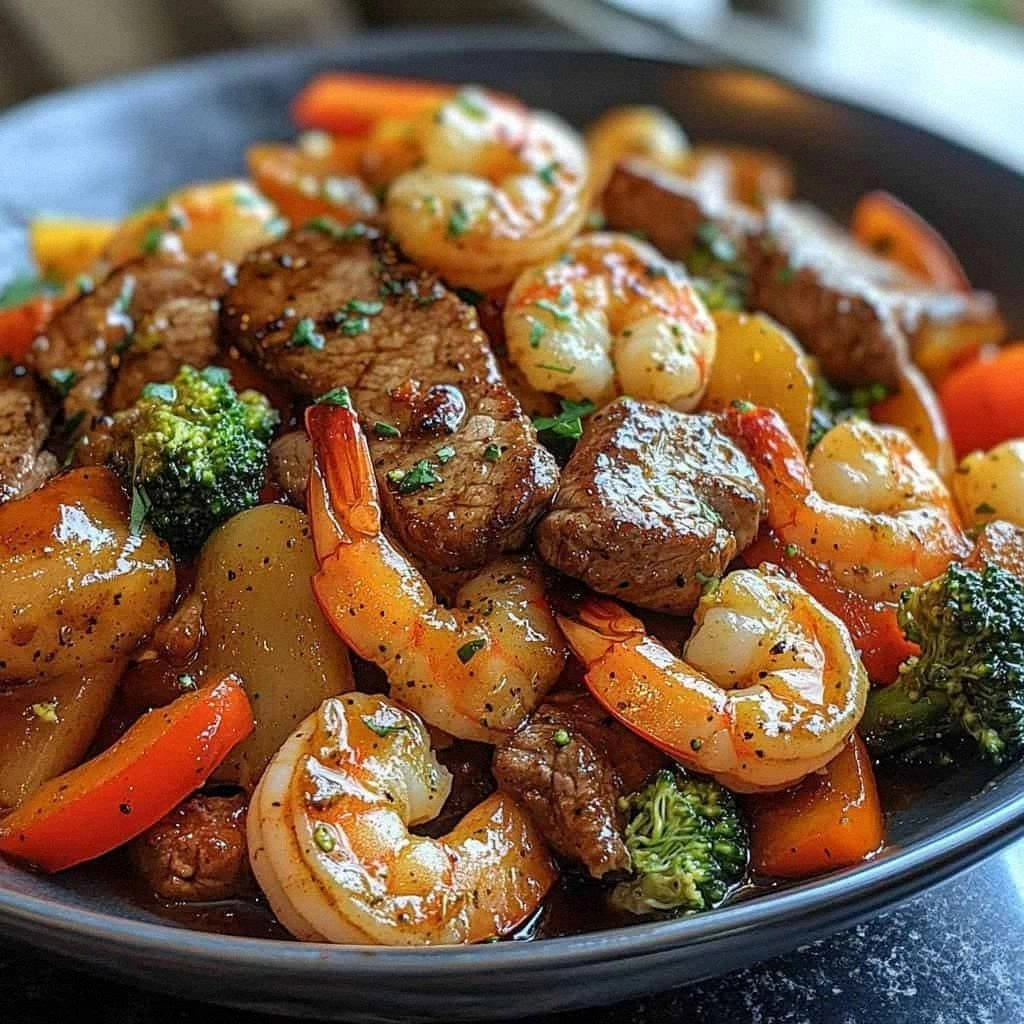
- Return steak and shrimp to the pan, pour the sauce around the edges (not on top), and start tossing. The sauce will bubble and thicken within 60–90 seconds, thanks to the pre-hydrated cornstarch. Everything should wear a glossy coat that catches the light like lip gloss. If it gets too tight, loosen with a tablespoon of water; if too thin, let it ride another 15 seconds. Taste, adjust salt, and you're done — officially a stir-fry rockstar.
That's it — you did it. But hold on, I've got a few more tricks that'll take this to another level...
Insider Tricks for Flawless Results
The Temperature Rule Nobody Follows
Your fridge is colder than you think. Ice-cold steak hitting a hot pan steams instead of sears. Pull proteins 20 minutes before cooking so they lose the chill; even that tiny temperature bump shaves off searing time and boosts browning by 30%. Same rule applies to shrimp — room-temp shrimp cook more evenly and stay supple. If you're in a rush, submerge the sealed bag in lukewarm water for 5 minutes, not hot (we're not starting ceviche).
Why Your Nose Knows Best
Ignore the clock; listen to the sizzle. A high-pitched hiss means moisture is evacuating too fast and the pan is drying out — time to lower heat. A low, lazy sizzle says the pan's sleepy — crank it up. When the aroma shifts from raw onion to sweet, caramel perfume, that's your cue for the next step. Train your nose once, and you'll free yourself from recipe tyranny forever.
The 5-Minute Rest That Changes Everything
Stir-fries hate waiting, but this one benefits from a short nap. After saucing, turn the heat off, place a lid askew, and let everything commune for 5 minutes. The steak relaxes, shrimp soak up a glossy layer, and vegetables mellow into harmonious coexistence. A friend tried skipping this once — let's just say it tasted like hurried Tuesday instead of Friday-night splendor.
Creative Twists and Variations
This recipe is a playground. Here are some of my favorite ways to switch things up:
Mango Tango Surf-and-Turf
Swap broccoli for ripe mango cubes added at the very end. The fruit warms slightly, releasing tropical perfume against the savory sauce. A squeeze of lime on top makes the whole dish taste like a beach vacation. Perfect for June dinners when you want sunshine on your plate.
Spicy Black Bean Knockout
Replace oyster sauce with Chinese fermented black bean sauce and double the garlic. The funky saltiness pairs outrageously well with steak, and shrimp get a smoky depth. Add a handful of fresh cilantro stems while stir-frying for an herby punch. Chili heads can swap red-pepper flakes for fresh bird's-eye chilies.
Keto Cauli-Rice Powerhouse
Skip the cornstarch in the sauce and thicken with a teaspoon of xanthan gum. Serve over sizzling cauliflower rice tossed with sesame oil. Same glossy stir-fry, fraction of the carbs, and you can still fit into skinny jeans tomorrow. Even non-keto friends devour it.
Breakfast-for-Dinner Remix
Top the finished stir-fry with a sunny-side-up egg. The yolk mingles with the sauce, creating an impromptu velvet gravy. Serve over garlic fried rice made from yesterday's leftovers. Breakfast purists will weep; you'll grin.
Sweet-and-Smoky Bourbon Glaze
Replace half the chicken broth with bourbon and add a teaspoon of smoked paprika to the sauce. Let the alcohol cook off until only oaky sweetness remains. The bourbon's vanilla notes hug the steak while paprika adds campfire soul. Date-night gold.
Veggie-Forward Garden Wave
Halve the meat and shrimp, then bulk up with zucchini ribbons, asparagus coins, and shiitake caps. The lighter ratio feels virtuous without tasting like penance. Perfect for using up farmers-market finds that are too pretty to ignore.
Storing and Bringing It Back to Life
Fridge Storage
Pack leftovers in shallow glass containers so they cool quickly and evenly. Refrigerate within two hours of cooking; the USDA thanks you. Stored properly, the stir-fry keeps for up to four days, though shrimp texture peaks at day two. Keep rice separate to prevent sad, soggy clumps.
Freezer Friendly
Freeze in meal-sized zip bags pressed flat; they thaw faster and stack like edible files. Omit snow peas if you plan to freeze — they turn into limp shoelaces upon thawing. Everything else survives nicely for two months. Thaw overnight in the fridge, not the counter; seafood is polite but fragile.
Best Reheating Method
Skip the microwave unless you enjoy rubber seafood. Instead, warm a non-stick skillet over medium, add the stir-fry with a tablespoon of water, and cover for two minutes. The steam revives the sauce without overcooking proteins. Stir gently until everything is glossy and hot. Add a tiny splash of water before reheating — it steams back to perfection.