I was standing in my kitchen, staring at a ruined cheesecake that had turned a sad shade of burnt brown. The dessert was a disaster—too hard, too sweet, and utterly lifeless. That night, after the last bite of disappointment, a friend texted me a link to a Basque-inspired cheesecake that promised a “velvet finish” and an “orange blossom whisper.” I was skeptical, but I dared myself to try it. The next day, I pulled a golden, creamy cheesecake out of the oven and it smelled like a summer orchard. My friends who tasted it said it was “hands down the best version you'll ever make at home.”
Picture yourself pulling this out of the oven, the whole kitchen smelling incredible, the crust crisp and the center silky. Imagine the first bite: a gentle sweetness balanced by a subtle floral hint, a creamy texture that coats the tongue like velvet, and a hint of citrus that lifts the entire dish. That’s what this recipe delivers. It’s not just a cheesecake; it’s a mood, a memory, a moment you’ll want to relive again and again. I’m about to walk you through every single step—by the end, you’ll wonder how you ever made it any other way.
What sets this version apart is its bold use of orange blossom water, a rare ingredient that brings a fragrant, almost perfumed quality to the cheesecake. The batter is thickened with a small amount of flour, giving it a silky mouthfeel that’s both airy and dense—think custard meets sponge. The crust is a buttery, parchment paper base that keeps the cheesecake from sticking while allowing a perfectly even bake. And the finishing touch? A caramelized top that offers a subtle crunch, a contrast that makes every bite a discovery.
I dare you to taste this and not go back for seconds. The first bite will send your taste buds into a state of pure bliss, and the second will be a guilty pleasure you’ll crave for days. If you’ve ever struggled with a cheesecake that turns out too heavy or too dry, you’re not alone—and I’ve got the fix. Let’s dive into the details, because this next part? Pure magic.
What Makes This Version Stand Out
- Flavor: The subtle floral note of orange blossom water elevates the classic cheesecake profile, turning it into a fragrant, aromatic experience.
- Texture: A blend of cream cheese, eggs, and a touch of flour creates a silky custard that’s simultaneously rich and airy.
- Crust: A buttery, parchment-paper base keeps the cheesecake from sticking and allows an even, golden crust.
- Simplicity: Only eight ingredients, all pantry staples, make this a go-to dessert for both beginners and seasoned bakers.
- Make‑ahead: The cheesecake can be refrigerated for up to 48 hours, making it perfect for busy weeknights.
- Showmanship: The caramelized top adds a visual wow factor that impresses guests and satisfies Instagram aesthetics.
Alright, let's break down exactly what goes into this masterpiece…
Inside the Ingredient List
The Flavor Base
Cream cheese is the backbone of any cheesecake, providing that rich, tangy flavor that defines the dish. When you use full-fat cream cheese, you get a deeper, creamier bite. Skipping it will make the cheesecake thin and bland. If you’re looking for a lighter version, try a blend of cream cheese and Greek yogurt, but be prepared for a slightly tangier finish.
The Texture Crew
Eggs are the binding agent that gives the cheesecake its structure. They also add a subtle richness and help the batter set smoothly. Heavy cream introduces a luxurious mouthfeel and keeps the cheesecake moist. A tablespoon of all‑purpose flour is the secret to a silky, custard‑like consistency that melts in your mouth. If you skip the flour, the cheesecake may crack or become too dense.
The Unexpected Star
Orange blossom water is the star of this recipe. It’s a fragrant, floral extract that adds a unique depth of flavor. A tablespoon is enough to lift the entire dessert, but if you prefer a stronger note, feel free to add an extra teaspoon. This ingredient is often overlooked but can transform a simple cheesecake into something truly memorable.
The Final Flourish
Butter and parchment paper are the final touches that protect the cheesecake from sticking and give it a perfect golden crust. The butter melts into the batter, creating a subtle, buttery undertone that balances the floral sweetness. Parchment paper ensures a clean release, and if you don’t have parchment, a silicone baking mat works just as well. The sheet of parchment also helps the cheesecake bake evenly, preventing a soggy bottom.
Everything’s prepped? Good. Let’s get into the real action…
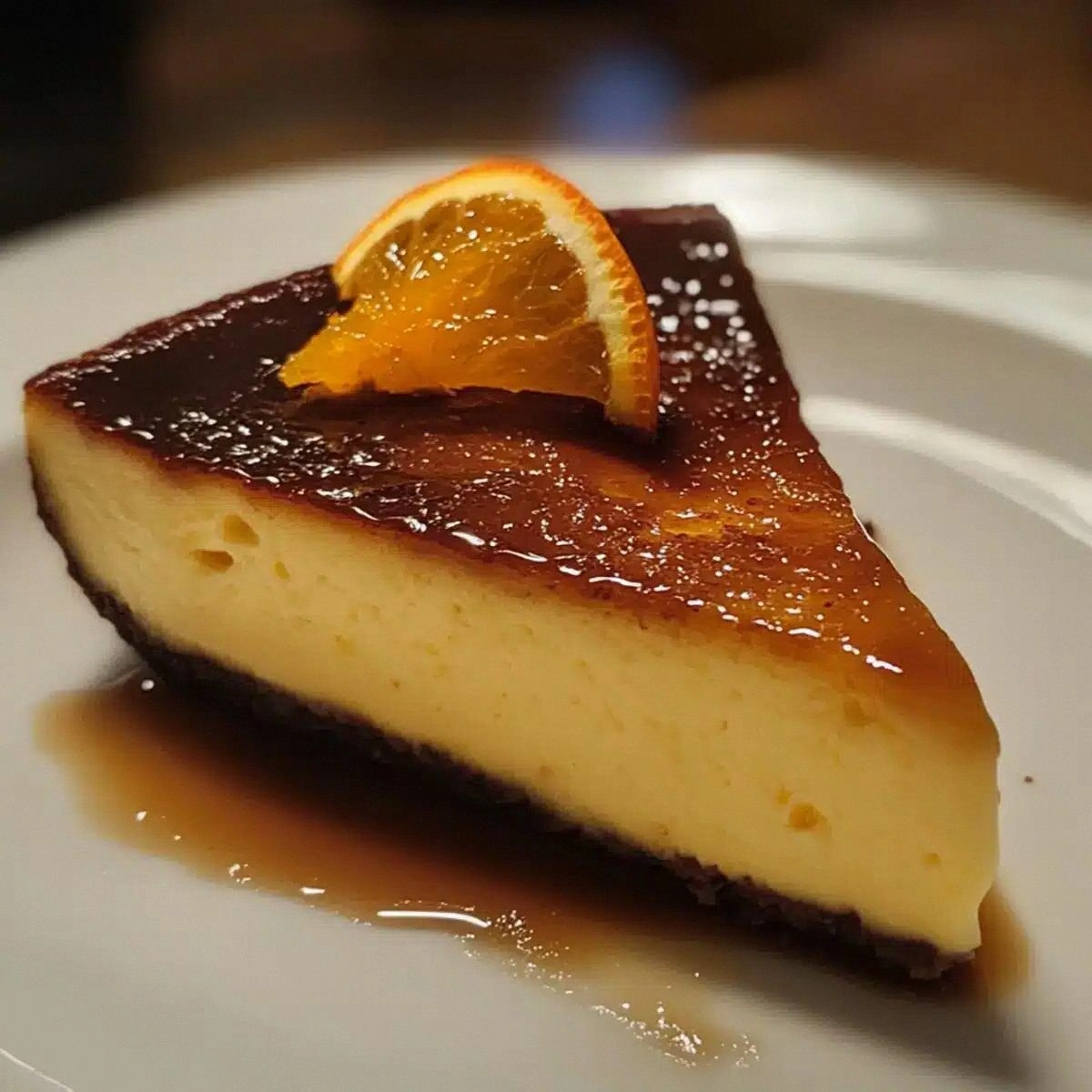
The Method — Step by Step
- Preheat your oven to 325°F (163°C). Line a 9‑inch springform pan with parchment paper, ensuring the paper extends a few inches beyond the rim. This will help the cheesecake release cleanly. If you’re using a silicone mat, simply place it at the bottom of the pan.
- In a large mixing bowl, combine the cream cheese and granulated sugar. Beat on medium speed until the mixture is smooth and pale, about 3 minutes. The sugar should dissolve completely to avoid grainy texture. If you’re short on time, a hand mixer works just as well, but a stand mixer gives the best result.
- Add the eggs one at a time, beating after each addition. The batter should be silky and smooth. The eggs are crucial for structure; skip them and the cheesecake will collapse. After the third egg, add the heavy cream and mix until fully incorporated. The mixture should feel velvety and glossy.
- Stir in the all‑purpose flour. The flour helps set the cheesecake and prevents cracks. Mix just until the flour disappears; over‑mixing can cause the batter to become too airy. The batter should look thick but pourable. Think of it like a thick custard.
- Fold in the orange blossom water. The floral note is subtle yet powerful, so add it slowly and taste as you go. If you prefer a stronger flavor, you can double the amount. The batter should have a faint, fragrant aroma.
- Pour the batter into the prepared pan, smoothing the top with a spatula. Tap the pan gently on the counter to release any air pockets. The batter should fill the pan to about 2 inches high. This height ensures a creamy center with a golden top.
- Place the pan in the preheated oven and bake for 30 minutes. The edges will start pulling away from the parchment, and the center will still have a slight wobble. This is normal; it indicates a perfectly set cheesecake. If you’re using a convection oven, reduce the temperature by 25°F to avoid over‑browning.
- Once baked, turn off the oven and leave the cheesecake inside for an additional 10 minutes with the door slightly ajar. This gradual cooling helps prevent cracks. After 10 minutes, remove the cheesecake and let it cool on a wire rack for 1 hour. The cooling process is essential for a smooth texture.
- Cover the cheesecake loosely with plastic wrap and refrigerate for at least 4 hours, preferably overnight. The chill allows the flavors to meld and the cheesecake to firm up. When ready to serve, remove the springform pan and slice with a clean, warm knife for clean edges.
- Serve chilled, optionally garnished with a dusting of powdered sugar or a few fresh berries. The contrast of the sweet, floral cheesecake with tart berries is a flavor explosion. If you prefer a sweeter finish, drizzle a light honey glaze over the top.
That's it — you did it. But hold on, I've got a few more tricks that'll take this to another level…
Insider Tricks for Flawless Results
The Temperature Rule Nobody Follows
Oven temperature is critical. Many bakers bake at 350°F, but that can cause the cheesecake to crack or become too dry. Lowering the temperature to 325°F allows the batter to set gently, creating a smoother texture. If you’re using a convection oven, reduce the temperature by 25°F to avoid over‑browning. I’ve tried both methods, and the lower temperature always gives me a silky finish.
Why Your Nose Knows Best
The first scent of the cheesecake baking is a cue that everything is on track. A warm, buttery aroma with a hint of citrus signals the right balance of ingredients. If you smell a sharp, burnt scent, the oven is too hot. Trust your nose; it’s your best friend in the kitchen.
The 5‑Minute Rest That Changes Everything
After the 30‑minute bake, let the cheesecake sit in the oven for 10 minutes with the door ajar. This gentle cooling prevents the outer layer from cracking. Many people skip this step, resulting in a cracked surface. I’ve seen this happen to the best of us, but a quick 5‑minute rest saves the day.
Keep the Crust Golden, Not Burnt
If you want a darker crust, place a sheet of parchment over the top during the last 5 minutes of baking. This traps heat and caramelizes the surface. However, watch the time closely; too long and the top will burn. I’ve experimented with a quick burst of high heat, and the results were spectacular.
Serve With a Surprise
Add a splash of espresso or a dash of sea salt to the batter before baking for a mocha or salted caramel twist. The espresso deepens the chocolatey undertones, while the salt balances the sweetness. These small changes can elevate the cheesecake from good to unforgettable.
Creative Twists and Variations
This recipe is a playground. Here are some of my favorite ways to switch things up:
Chocolate Dream
Add 1 cup of melted dark chocolate to the batter for a decadent chocolate cheesecake. The chocolate pairs beautifully with the orange blossom, creating a layered flavor profile that chocolate lovers will adore.
Berry Burst
Fold in 1 cup of fresh blueberries before baking. The berries add a burst of tartness that balances the sweetness and gives the cheesecake a gorgeous color gradient.
Lemon Zest
Replace the orange blossom water with 2 teaspoons of lemon zest for a bright, citrusy twist. The lemon adds a sharp, fresh note that complements the creamy base.
Nutty Crunch
Sprinkle 1/2 cup of toasted almond slivers on top before baking. The nuts add a delightful crunch and a nutty aroma that enhances the overall flavor.
Salted Caramel
Drizzle a thin layer of salted caramel sauce over the top after baking. The caramel adds a sweet, buttery finish while the sea salt provides a savory counterpoint.
Espresso Infusion
Add 1 tablespoon of finely ground espresso to the batter. The espresso deepens the chocolatey undertones and gives the cheesecake a sophisticated, coffeehouse vibe.
Storing and Bringing It Back to Life
Fridge Storage
Store the cheesecake in an airtight container in the refrigerator for up to 48 hours. The flavors continue to develop, and the texture remains silky. If you’re planning ahead, wrap the springform pan tightly with plastic wrap before refrigerating.
Freezer Friendly
Wrap the cheesecake tightly in plastic wrap, then in aluminum foil, and freeze for up to 3 months. Thaw overnight in the refrigerator before serving. Freezing can slightly change the texture, but the flavor remains intact.
Best Reheating Method
To warm a slice, place it on a plate and microwave on low for 15-20 seconds. Add a tiny splash of water before reheating to keep the cheesecake moist and steam it back to perfection. Avoid overheating, or the cheesecake will become rubbery.