I was standing in my kitchen, staring at a soggy cod fillet that had just been thawed, when a friend texted me a link to a recipe that claimed to turn “plain old fish” into something that would make even the most skeptical foodie swoon. I was skeptical too, but the promise of a glaze that could turn a bland protein into a glossy, umami‑rich masterpiece was too good to ignore. So I grabbed my skillet, my trusty measuring spoons, and a pinch of daring, and set out to test the claim.
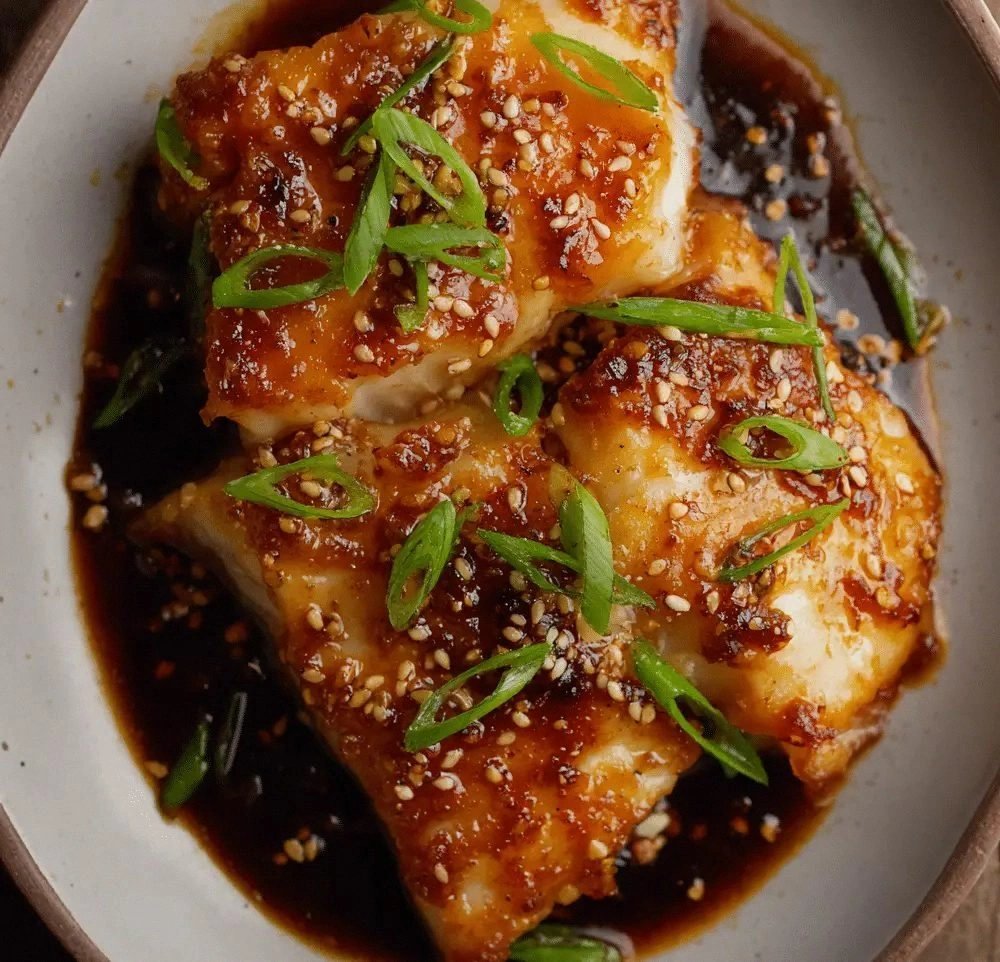
The moment the first drop of sauce hit the hot pan, a sweet, caramelizing aroma erupted, filling the air with a scent that was part sweet‑tooth candy, part savory broth. The cod’s surface hissed, and the sizzling sound was the soundtrack to a culinary transformation I’d only imagined. I could already taste the glossy coating, the contrast of the tender flesh against the crisp edges that would crack like thin ice under a bite. The kitchen lights reflected off the glaze, turning the dish into a gleaming, almost liquid gold masterpiece.
This isn’t just another fish recipe. It’s a version of ginger‑soy glazed cod that strips away the fluff and delivers a punch of flavor that lingers on the palate like a well‑played chord. The balance of sweetness from honey, the sharp bite of soy, the zing of fresh ginger, and the subtle heat of garlic work together in a symphony that makes every bite feel like a revelation. The sauce coats the fish like velvet, sealing in moisture while the edges crisp to a golden snap that shatters like thin ice.
And there’s a twist you won’t find in most recipes: a splash of rice vinegar that cuts through the sweetness and adds a bright, almost citrusy lift. That simple addition turns the glaze from sweet‑to‑spicy into sweet‑to‑tangy‑spicy, a flavor profile that feels both bold and balanced. Ready to see how I pulled this off? Let me walk you through every single step — by the end, you’ll wonder how you ever made it any other way.
What Makes This Version Stand Out
- Flavor: The glaze marries sweet, salty, and spicy in a way that feels both exotic and comforting. The honey and soy create a caramelized coating that’s impossible to resist, while the ginger and garlic add a punch that wakes the senses.
- Texture: The cod’s flesh stays moist and flaky, but the glaze crisps the surface to a golden, almost crunchy layer that gives a satisfying snap with every bite.
- Simplicity: With only a handful of ingredients and a single pan, you can achieve a restaurant‑level dish in under 45 minutes.
- Uniqueness: The addition of rice vinegar gives a bright, almost citrusy lift that sets this version apart from the standard soy‑ginger glaze.
- Crowd‑pleasing: Even the pickiest eaters can’t resist the glossy, caramelized coating and the tender, melt‑in‑the‑mouth texture.
- Ingredient quality: Fresh ginger and high‑quality soy sauce elevate the dish, turning ordinary cod into a gourmet experience.
- Cooking method: A single‑pan technique saves time and cleans up, making it perfect for busy weeknights.
- Make‑ahead potential: The glaze can be pre‑made and stored, so you can assemble the dish in minutes when you’re ready to eat.
Inside the Ingredient List
The Flavor Base
Soy sauce is the backbone of this glaze, providing a savory depth that anchors the sweetness of honey and the brightness of rice vinegar. It’s the salt that brings the dish together, so choose a high‑quality, low‑sodium version if you’re watching your sodium intake. Skipping soy sauce would leave the glaze thin and flat; the fish would taste like it’s missing the umami punch that makes it memorable.
Rice vinegar adds a subtle tang that cuts through the honey’s sweetness. It brightens the glaze, giving it a clean finish that prevents the sauce from feeling cloying. If you don’t have rice vinegar on hand, a splash of white wine vinegar works, but be careful not to overdo it or the glaze will become overly acidic.
The Texture Crew
Sesame oil is the secret to that silky, glossy finish. It brings a nutty aroma that pairs beautifully with the ginger, and its high smoke point ensures the glaze doesn’t burn. A light drizzle of sesame oil right at the end of cooking will give the dish a subtle sheen and a fragrant finish.
Fresh ginger is the star of the show, lending a warm, peppery bite that balances the sweet and salty. Grated ginger releases more essential oils than minced, so use the fresh, not frozen, to get the most flavor. If you can’t find fresh ginger, a teaspoon of ginger paste can work, but the texture will be slightly different.
The Unexpected Star
Honey isn’t just a sweetener; it’s a binder that helps the glaze adhere to the cod, creating a caramelized coating that’s both sweet and slightly crisp. It also adds a subtle floral note that lifts the dish. If you prefer a lighter sweet, replace honey with maple syrup or a splash of brown rice syrup.
Garlic adds a punch of depth and a hint of heat that rounds out the glaze’s flavor profile. Minced garlic is fine, but finely chopped gives a better distribution of flavor throughout the sauce. If you’re allergic to garlic, a pinch of garlic powder will suffice, though the aroma will be less pronounced.
The Final Flourish
Scallions and sesame seeds are the finishing touches that add crunch and a burst of color. Thinly sliced scallions keep the dish bright and fresh, while toasted sesame seeds provide a subtle nutty crunch that contrasts the silky glaze. Skipping them will make the dish feel a little less vibrant, but the core flavors will still shine.
A pinch of salt and pepper balances the sweetness and ensures the fish isn’t bland. If you’re watching sodium, keep the salt to a minimum, as the soy sauce already contributes a substantial amount. Pepper adds a subtle heat that complements the ginger; don’t skip it unless you truly dislike spice.
Everything's prepped? Good. Let's get into the real action...
The Method — Step by Step
- Start by patting the cod fillets dry with paper towels. This step is crucial; any surface moisture will steam the fish instead of searing it. Lightly season each fillet with a pinch of salt and pepper, then set aside while you prepare the glaze.
- In a small bowl, whisk together soy sauce, rice vinegar, honey, and sesame oil until the honey fully dissolves. The mixture should be smooth, with no clumps. This will be the glaze that gives the cod its signature shine.
- Heat a non‑stick skillet over medium‑high heat until it shimmers. Add a splash of sesame oil, swirling to coat the surface. The oil should not smoke; if it starts to, lower the heat slightly.
- Place the cod fillets skin‑side down in the hot skillet. Let them cook untouched for 3–4 minutes until the edges start to turn opaque and a golden crust forms. Avoid moving the fillets; this ensures a crisp surface.
- Flip the fillets and pour the glaze over them. The sauce should bubble immediately, creating a fragrant steam that envelops the fish. Stir the glaze occasionally to prevent sticking, and let it thicken slightly as the fish finishes cooking.
- When the fillets are opaque throughout and the glaze has reduced to a glossy, almost syrupy consistency, remove the pan from heat. The fish should still be slightly undercooked in the center; it will finish steaming in the residual heat.
- Transfer the cod to a plate and drizzle the remaining glaze over it. Sprinkle sliced scallions and toasted sesame seeds for a pop of color and texture. The final touch is a light squeeze of fresh lemon or lime to brighten the dish.
- Serve immediately over steamed rice, quinoa, or a bed of sautéed greens. The dish is best enjoyed hot, when the glaze is still glossy and the fish is warm and tender.
- If you’re planning ahead, store any leftover glaze in an airtight container in the refrigerator for up to 3 days. Reheat gently in a saucepan over low heat before drizzling over fresh cod or shrimp for an instant flavor boost.
That’s it — you did it. But hold on, I've got a few more tricks that'll take this to another level. Stick around for insider tips that will make your next batch even better.
Insider Tricks for Flawless Results
The Temperature Rule Nobody Follows
Many cooks over‑cook cod by pushing the heat too high. The trick is to use medium‑high heat and let the fillets sear without burning the glaze. A quick test: if the pan is hot enough, the glaze will sizzle on contact and the fish will release easily after 3 minutes. This keeps the flesh moist while giving a crisp crust.
Why Your Nose Knows Best
Before you flip the fillets, listen to the smell. A sweet, caramelizing aroma signals that the glaze is ready to thicken. If the scent is too vinegary, give it a minute longer. Your nose is a reliable guide to the glaze’s texture.
The 5‑Minute Rest That Changes Everything
Once the cod is plated, let it rest for 5 minutes before serving. This allows the juices to redistribute, ensuring every bite is moist and tender. It also gives the glaze time to settle into a glossy sheen.
Don’t Skimp on the Garlic
Garlic is more than a garnish; it’s a flavor backbone. I once made the dish without garlic, and the result was flat. Adding even a single minced clove elevates the entire flavor profile.
Use a Skillet With a Heavy Bottom
A heavy‑bottom skillet distributes heat evenly, preventing hot spots that can scorch the glaze. Cast iron or stainless steel pans are ideal. Avoid thin‑bottomed pans that cause the sauce to burn quickly.
Let the Sauce Thicken While You Plate
Once the cod is done, keep the glaze on low heat for a minute or two. This final reduction step turns it into a luscious, syrupy coating that clings to the fish. It’s the difference between a good dish and a great one.
Creative Twists and Variations
This recipe is a playground. Here are some of my favorite ways to switch things up:
Citrus Burst
Add a splash of orange juice and a pinch of orange zest to the glaze. The citrus complements the ginger, giving the dish a bright, tropical vibe that pairs well with coconut rice.
Spicy Sriracha Kick
Stir in a teaspoon of Sriracha for a fiery heat that contrasts the sweet glaze. The sauce becomes a bold, spicy‑sweet combo that’s perfect for adventurous eaters.
Miso Depth
Replace half the soy sauce with white miso paste. The miso adds a savory depth and a subtle earthy undertone that elevates the dish to new heights.
Herbal Twist
Add chopped fresh cilantro and a squeeze of lime after plating. The herbs bring a fresh, green note that lightens the rich glaze.
Vegetarian Version
Swap the cod for thick slices of marinated tofu or tempeh. The tofu will soak up the glaze, delivering a protein‑rich, plant‑based alternative.
Seafood Combo
Serve the glaze over a mix of shrimp, scallops, and cod for a luxurious seafood medley. The glaze’s sweetness balances the briny flavors of the shellfish.
Storing and Bringing It Back to Life
Fridge Storage
Store leftover cod in an airtight container for up to 3 days. Keep the glaze separate in a small jar so you can reheat it without overcooking the fish. When reheating, gently warm the glaze in a saucepan over low heat, then drizzle over the fish.
Freezer Friendly
Freeze the cod in a freezer‑safe bag for up to 2 months. Thaw overnight in the refrigerator, then reheat in a skillet with a splash of water to keep it moist. The glaze can be frozen separately; thaw before reheating to avoid a watery sauce.
Best Reheating Method
The key to reheated cod is gentle heat. Warm the fish in a skillet with a tiny splash of water or broth, covering the pan to trap steam. The result is a fish that feels fresh and the glaze that’s silky, not syrupy.