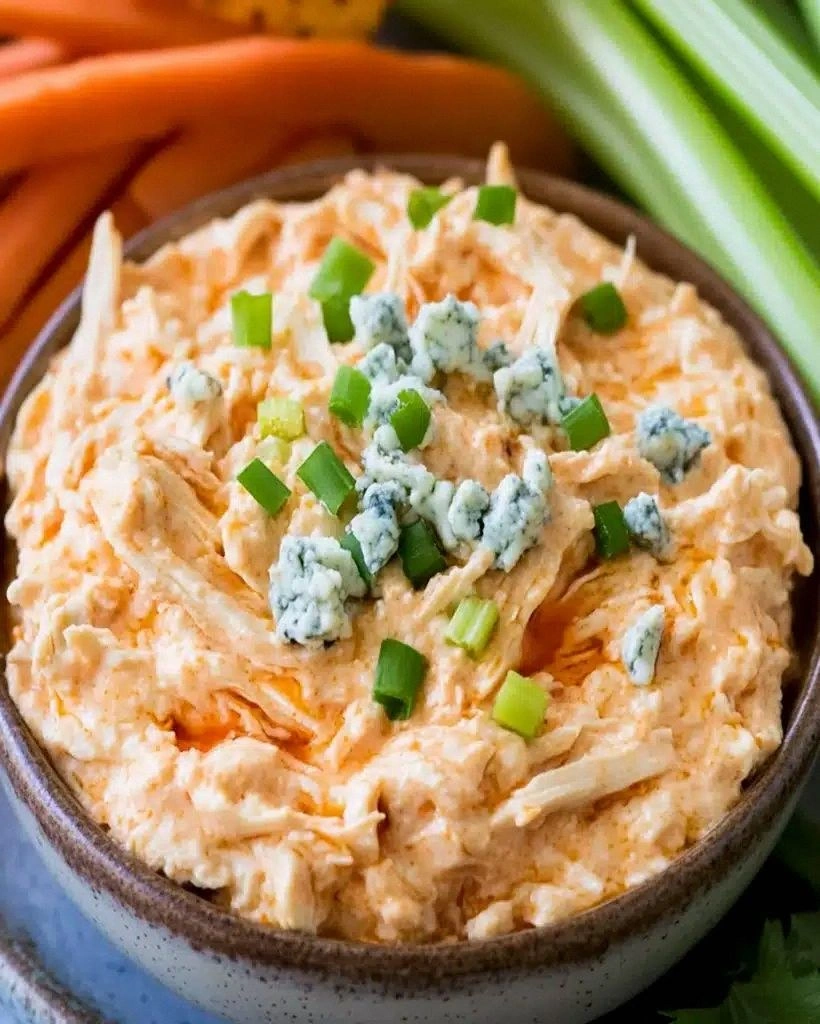
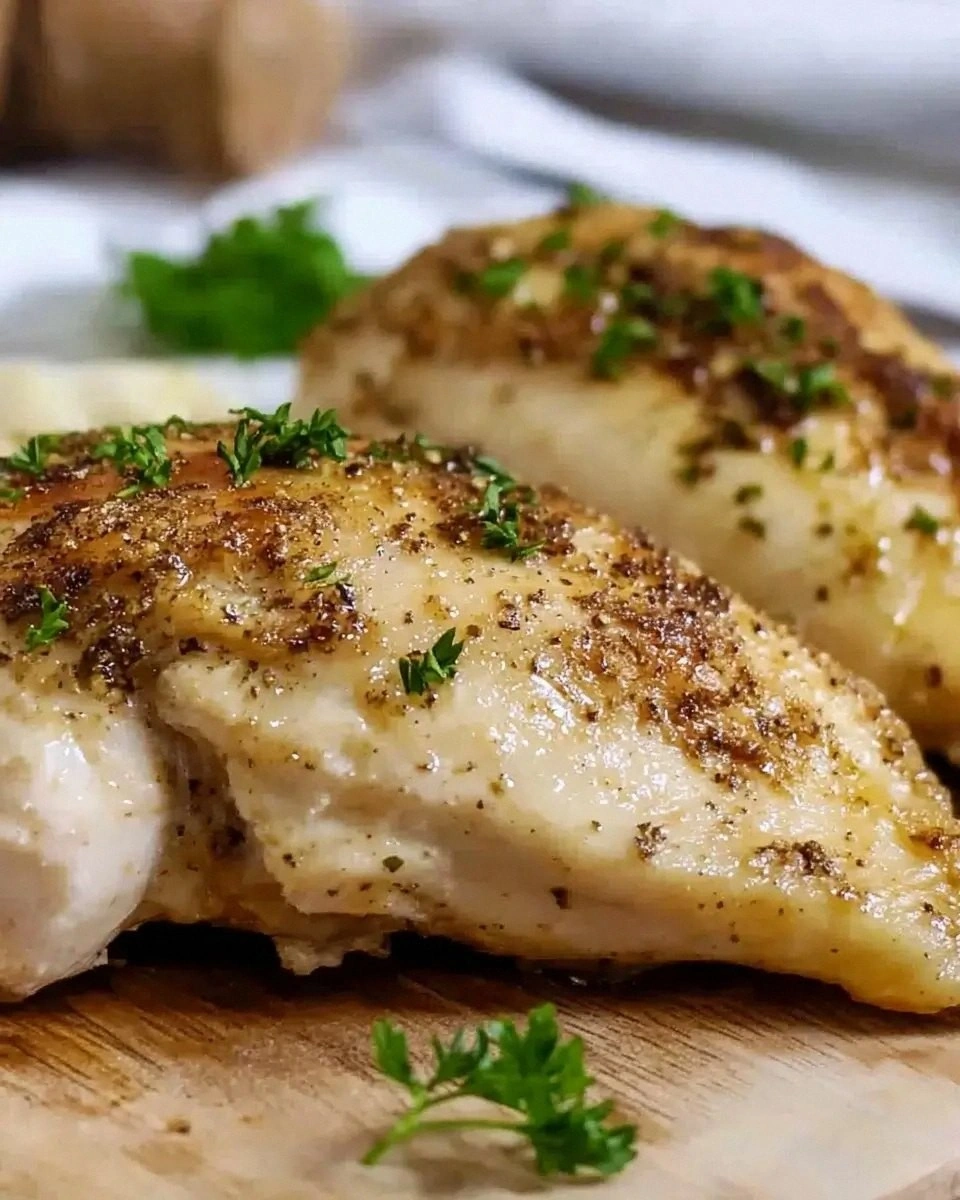
Picture this: I was halfway through a week of bland take‑out, the fridge humming with last night’s leftovers, when the kitchen lights flicked on and a stray bulb cast a golden glow over the counter. I stared at a raw chicken, the kind that makes your stomach growl louder than a drum solo, and thought, “Why not turn this into something that’ll actually make me dance in the kitchen?” That moment sparked the creation of the most unforgettable roast chicken you’ll ever taste. I’m not exaggerating – this isn’t just a recipe; it’s a culinary revelation that will have you slapping your own spoon to the beat of flavor.
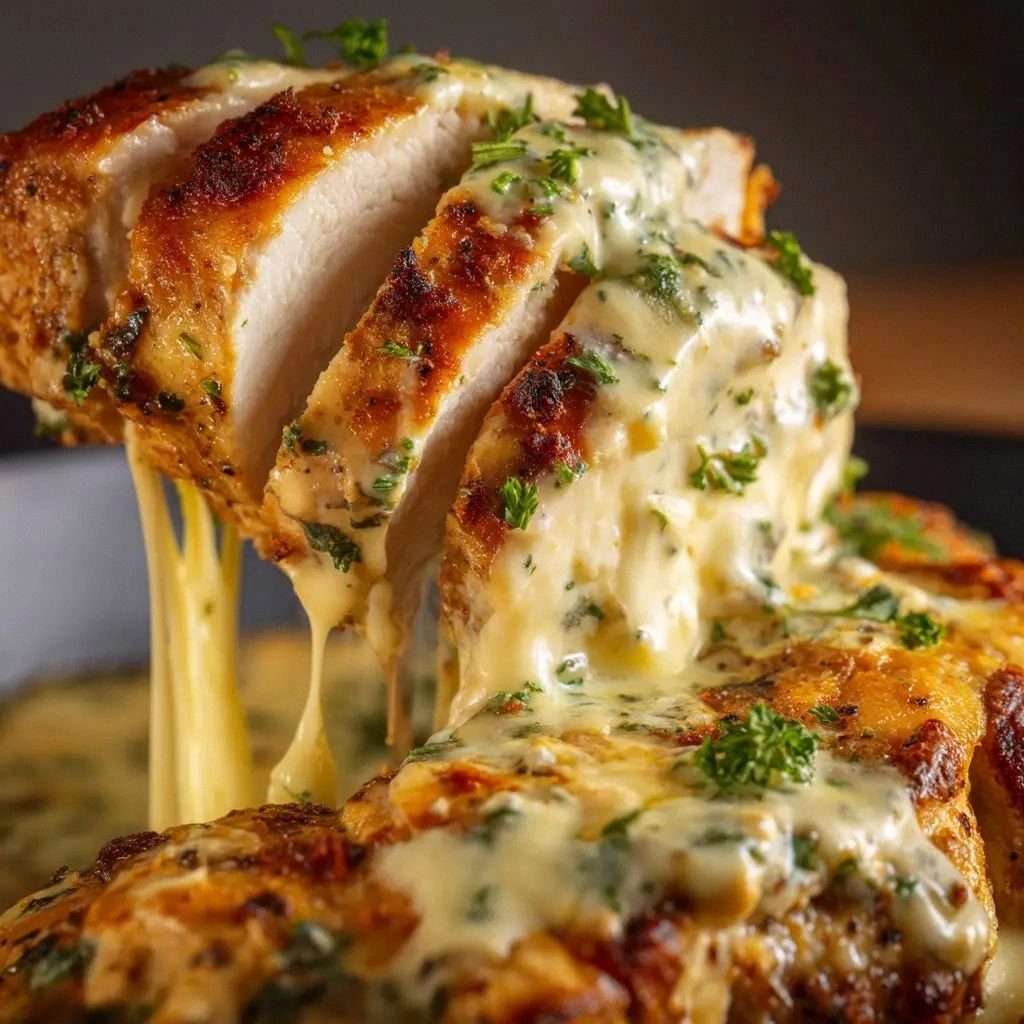
From the first glance, you’ll notice the aroma of fresh herbs swirling like a fragrant perfume, the subtle crackle of butter melting into a glossy glaze, and the sight of garlic cloves glinting like tiny moons. The sound is a satisfying sizzle as the chicken hits the hot pan, a promise of crisp skin that will shatter like thin ice when you bite. The texture is a paradox: a tender, juicy interior that practically melts in your mouth, encased in a skin that’s crisp enough to give you a satisfying crunch with every bite. And the taste? It’s a harmonious blend of savory, buttery, and herbaceous notes that lingers long after the last morsel.
What makes this version stand out? It’s the meticulous layering of flavors and the clever use of butter as a flavor conduit, turning a simple roast into a gourmet experience. I dare you to taste this and not go back for seconds – it’s that good. And let’s be honest, I ate half the batch before anyone else even got a fork. The secret isn’t just the ingredients; it’s the technique that brings each component to life.
So buckle up, because I’m about to walk you through every single step. By the end, you’ll wonder how you ever made it any other way. And trust me, this is hands down the best version you’ll ever make at home.
What Makes This Version Stand Out
- Flavor Depth: Butter acts as a flavor sponge, soaking up garlic, herbs, and citrus, then releasing them in a burst of savory richness with every bite.
- Crisp Skin: The combination of high heat and butter creates a skin that’s golden, flaky, and crackles when you break it – a texture that’s pure delight.
- Time‑Efficient: Prep takes 15 minutes, cook 45, and you’re done. No complicated marinating steps, just a quick rub and roast.
- Versatility: Works for bone‑in thighs, breasts, or a whole chicken. Swap herbs or add a splash of wine for a different twist.
- Crowd‑Pleaser: The aroma alone will have guests lining up at the door, and the flavor profile satisfies both casual diners and picky eaters.
- Make‑Ahead Friendly: You can prep the rub and even roast it a few hours early; it reheats beautifully and retains its crispness.
- Ingredient Quality: Fresh, high‑quality herbs and butter make a world of difference – don’t skimp on these.
- Balanced Nutrition: Packed with protein and healthy fats, while keeping carbs minimal – a meal that satisfies without the guilt.
Alright, let's break down exactly what goes into this masterpiece…
Inside the Ingredient List
The Flavor Base
At the heart of this dish lies a butter‑garlic mixture that acts like a flavor engine. Butter, with its rich, creamy profile, carries the sharpness of garlic and the aromatic qualities of fresh herbs. When melted, it forms a silky coating that locks in moisture, preventing the chicken from drying out. Skipping butter would strip the dish of its luxurious mouthfeel and the characteristic sheen that makes the skin so inviting.
Garlic is the star that provides a punch of umami. When minced finely, it releases allicin, the compound responsible for that sharp, slightly spicy kick. If you’re sensitive to garlic, you can reduce the cloves by a third, but the dish will still be delicious—just a tad milder.
The Herb Crew
Rosemary, thyme, and parsley form a trio that balances the richness of butter and the sharpness of garlic. Rosemary adds a piney, resinous aroma that pairs beautifully with chicken, while thyme offers a subtle earthiness. Parsley, with its fresh, peppery finish, brightens the dish and provides a pop of color. If you’re out of fresh herbs, dried ones work, but use half the amount to avoid overpowering the dish.
The Final Flourish
Lemon juice is the bright, citrusy counterpoint that cuts through the richness. It adds a zesty lift that prevents the dish from feeling heavy. Olive oil helps the butter spread evenly and enhances the caramelization of the skin. A splash of chicken stock or white wine can be added during roasting to keep the chicken moist and create a light pan sauce.
Everything's prepped? Good. Let's get into the real action…
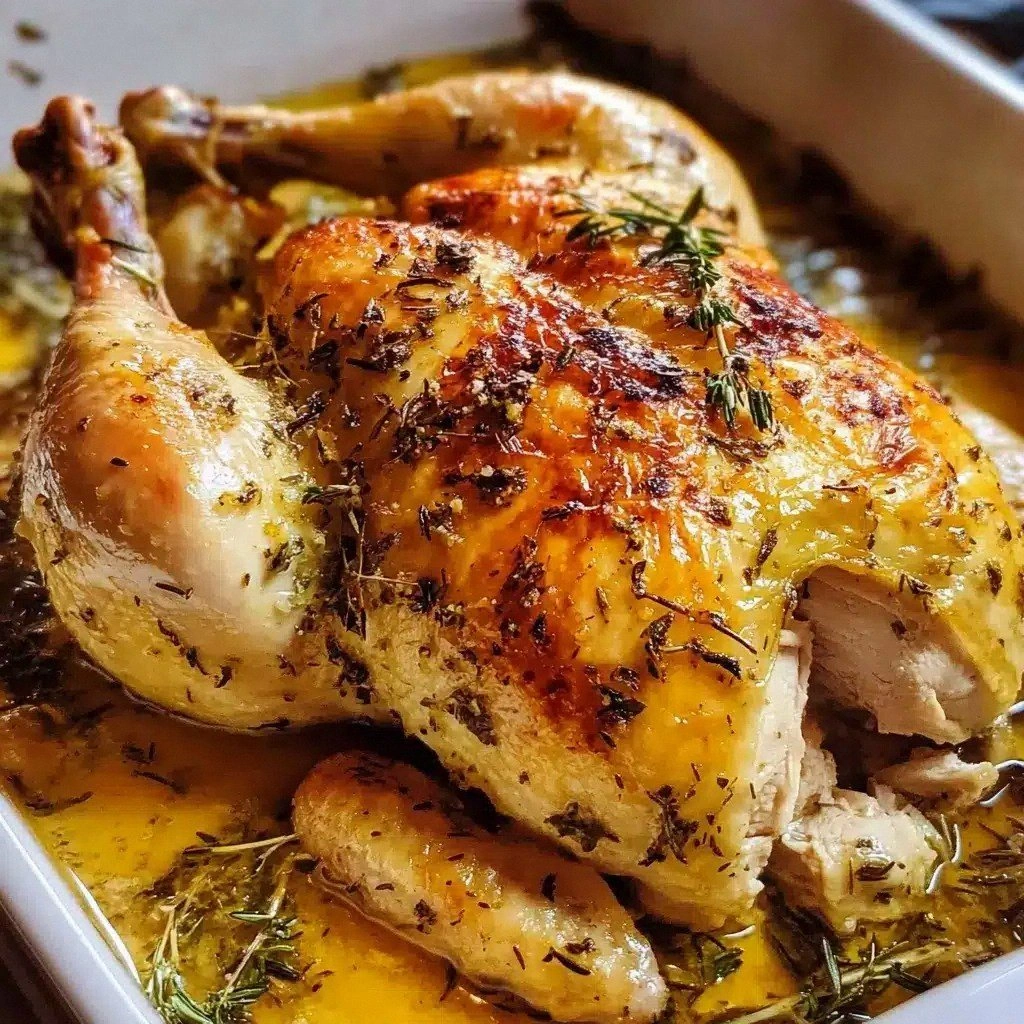
The Method — Step by Step
- Preheat your oven to 425°F (220°C). While the oven warms, pat the chicken thighs dry with paper towels; moisture is the enemy of crisp skin. This step is crucial – a dry surface ensures that the butter and herbs can adhere properly and that the skin will develop that coveted golden crust.
- In a small bowl, combine the softened butter, minced garlic, chopped rosemary, thyme, and parsley. The ratio of butter to herbs is key: a generous amount of butter ensures a smooth coating, while the herbs provide flavor depth. If you’re a garlic lover, feel free to add an extra clove.
- Season the chicken thighs with salt and pepper, then spread the herb butter mixture over each piece, making sure to cover the skin and the flesh. The butter will melt into the meat, creating a juicy interior. This is where the magic starts; the butter is the vehicle that transports the herbs deep into the chicken.
- Drizzle olive oil over the chicken to help the skin brown. Place the thighs skin side up on a rimmed baking sheet or in a cast‑iron skillet. The high heat will sear the skin, turning it into a crisp, golden shell while the butter melts into the meat. Watch the temperature closely; if the skin starts to burn, reduce the heat slightly.
- Roast in the preheated oven for 25 minutes, then add a splash of chicken stock or white wine to the pan. The liquid will create steam, helping to keep the chicken moist and forming a light sauce. This step is essential for a tender result.
- After 25 minutes, reduce the oven temperature to 400°F (200°C) and roast for an additional 15-20 minutes, or until the internal temperature reaches 165°F (74°C). The skin should be a deep, buttery gold, and the juices should run clear. This is the moment of truth.
- Remove the chicken from the oven and let it rest for 5 minutes. Resting allows the juices to redistribute, ensuring that every bite stays moist. While it rests, you can use the pan juices to create a quick sauce: simmer them over medium heat, reduce by half, and stir in a teaspoon of butter for a silky finish.
- Serve immediately, garnished with fresh parsley or a wedge of lemon for a burst of brightness. Pair with roasted vegetables or a crisp salad to balance the richness.
That's it — you did it. But hold on, I've got a few more tricks that'll take this to another level…
Insider Tricks for Flawless Results
The Temperature Rule Nobody Follows
Many chefs swear by a low and slow method, but a high heat roast is the secret to that perfect crust. The key is to start at 425°F (220°C) to sear the skin and then lower the temperature to finish. If you keep it too hot, the exterior will burn before the interior cooks; too cool, and the skin will remain soggy.
Why Your Nose Knows Best
Before you even touch the chicken, take a deep sniff of the butter‑herb mixture. The aroma will tell you if the herbs are fresh or if the butter has gone rancid. A strong, fragrant scent indicates freshness; a flat smell signals that it’s time for a new batch.
The 5-Minute Rest That Changes Everything
Resting the chicken is often overlooked, but it’s essential. The 5‑minute pause allows the proteins to relax, making the meat tender. If you skip this step, the juices will run out, leaving you with a dry, over‑cooked piece.
Pan Sauce Perfection
Don’t discard the pan drippings. After removing the chicken, simmer the liquid with a splash of stock, reduce, and finish with a pat of butter. This creates a silky sauce that carries the buttery, garlicky flavor to every bite.
Keep It Cool When Storing
Store leftover chicken in an airtight container in the fridge for up to 4 days. Reheat in a skillet with a splash of water or broth to keep it moist; avoid microwaving, which can make the skin soggy.
Creative Twists and Variations
Smoky Chipotle Butter
Swap the fresh herbs for smoked paprika and a dash of chipotle powder. The result is a deep, smoky flavor that pairs well with corn‑on‑the‑cob or grilled corn tortillas.
Asian‑Inspired Ginger‑Soy
Replace garlic with minced ginger and add a splash of soy sauce to the butter mixture. The umami richness and subtle heat make this version a hit with lovers of East Asian flavors.
Herb‑Infused Lemon Chicken
Increase the lemon juice to 2 tablespoons and add zest to the butter. The bright, citrusy flavor makes this dish perfect for spring and summer gatherings.
Roasted with Sweet Potatoes
Arrange sweet potato wedges around the chicken on the baking sheet. The sweet, caramelized potatoes soak up the buttery juices, creating a complete one‑pan meal.
Vegetarian Version with Tofu
Use firm tofu slabs instead of chicken, marinating them in the same butter‑herb mixture. The tofu absorbs the flavors and offers a plant‑based alternative.
Storing and Bringing It Back to Life
Fridge Storage
Place leftover chicken in an airtight container and refrigerate for up to 4 days. The buttery coating may harden slightly; a quick warm‑up in a skillet will restore its softness.
Freezer Friendly
Wrap the chicken tightly in foil or freezer paper, then store in a freezer bag for up to 3 months. Thaw overnight in the fridge before reheating.
Best Reheating Method
Reheat in a skillet over medium heat, adding a splash of water or chicken stock to keep the chicken moist. Finish with a teaspoon of butter for a glossy finish, and serve immediately.