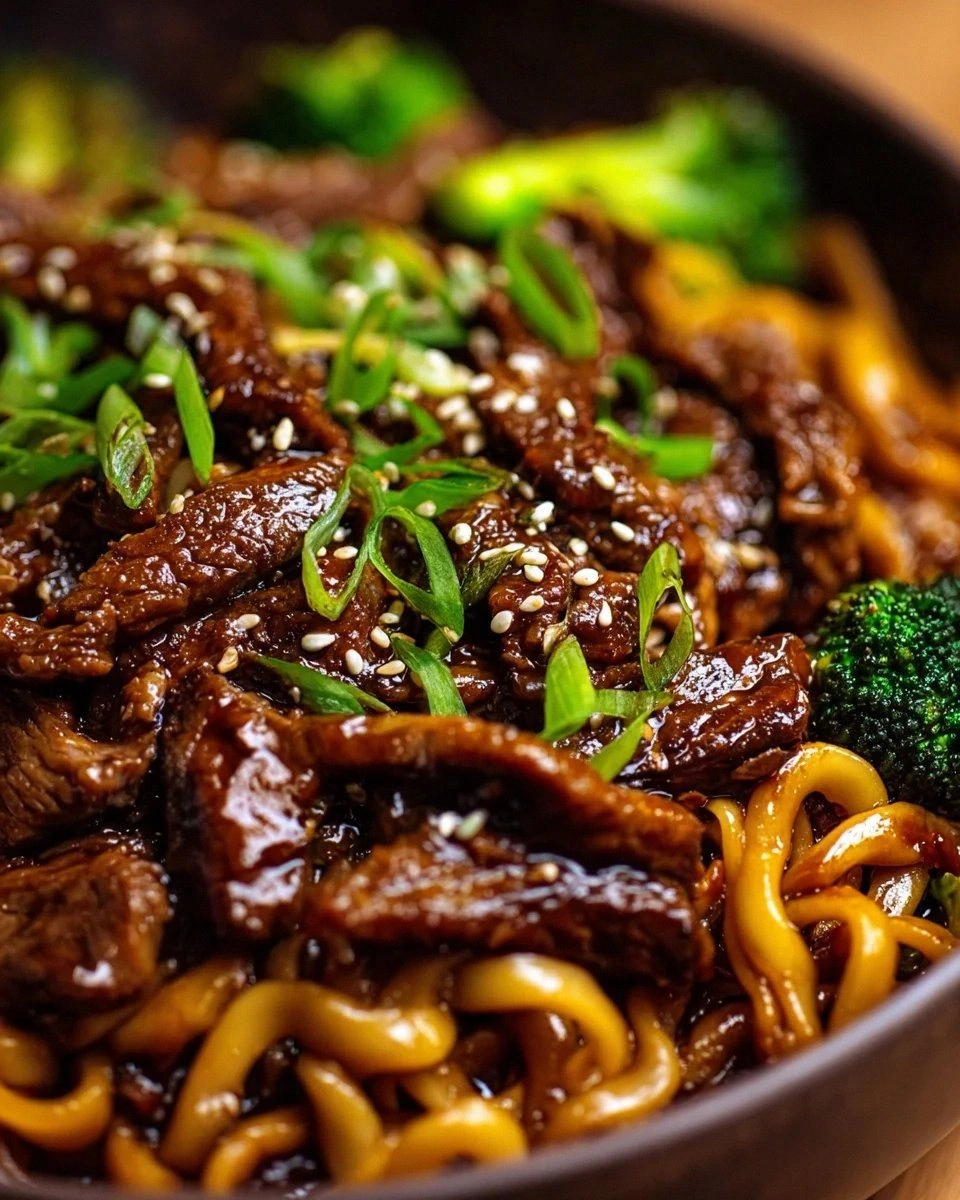
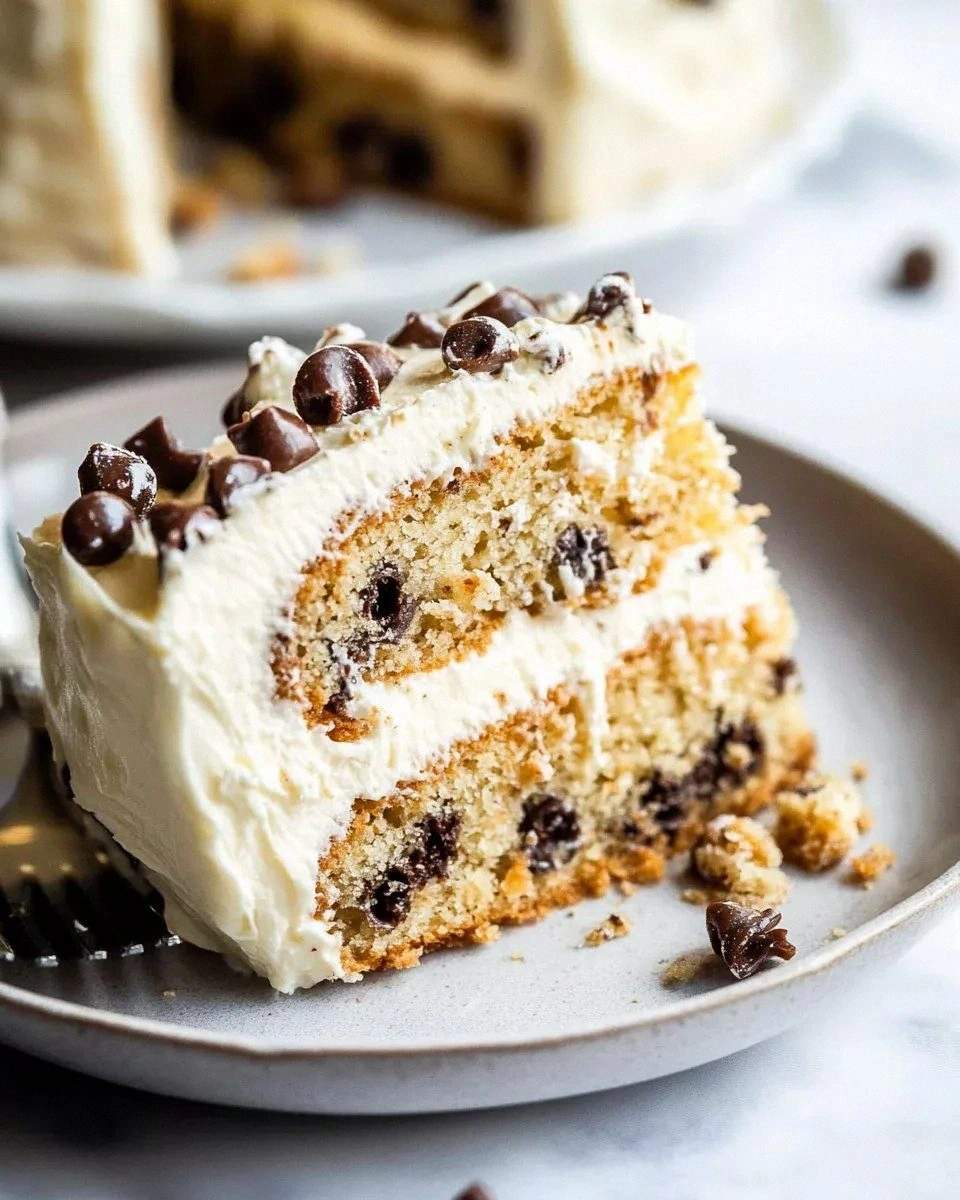
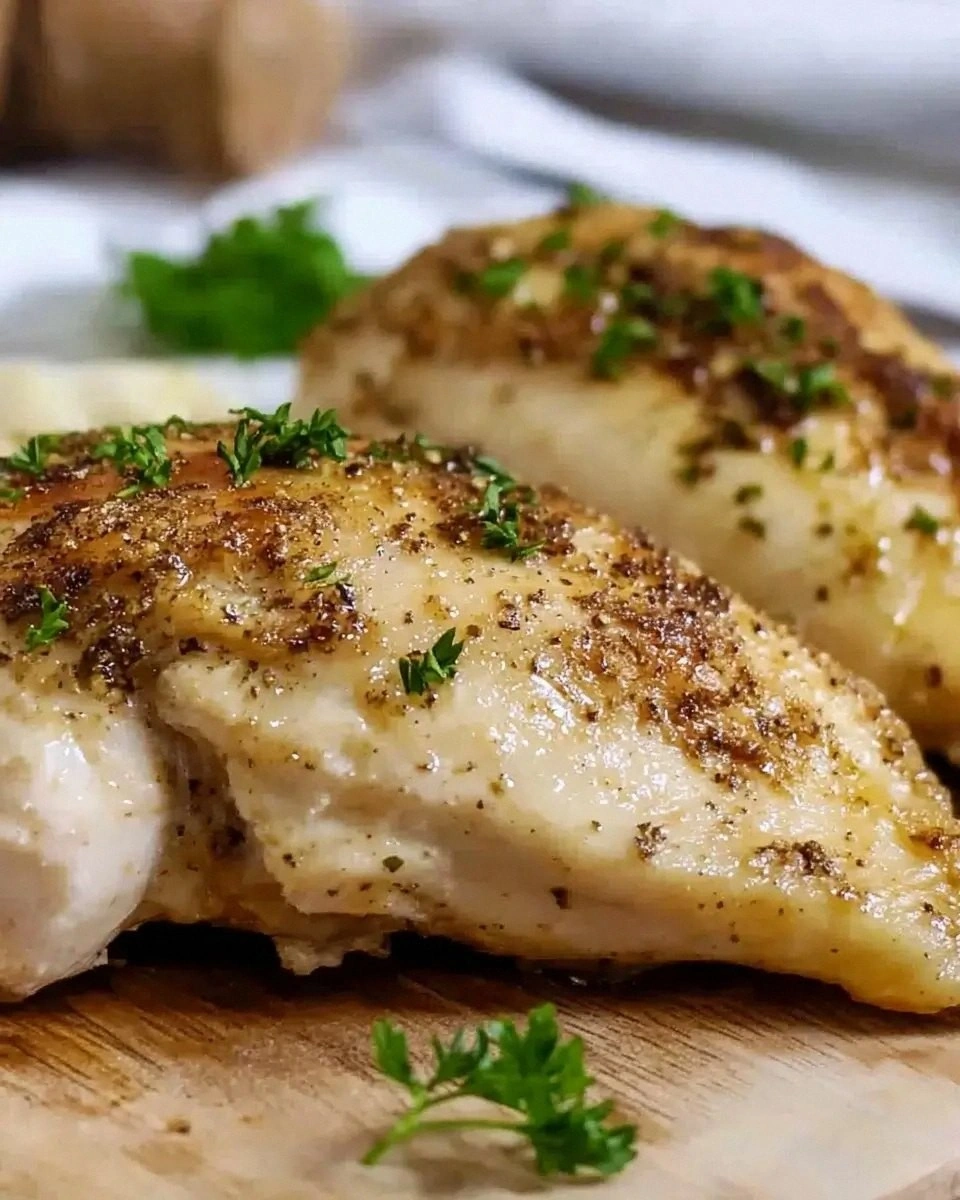
I still remember the first time I tried to make fried biscuits. It was 2:37 a.m., I was in my socks and pajamas, and my roommate had just bet me twenty dollars that I couldn’t turn the sad tube of refrigerator biscuits into anything worth eating. The kitchen smelled like desperation and old coffee grounds. Ten minutes later, the oil was smoking, the smoke alarm was serenading the entire apartment complex, and I was holding a plate of blackened hockey pucks. I lost the twenty bucks and my pride. Fast-forward three years, dozens of trial runs, and one glorious epiphany involving a cast-iron skillet and a thermometer that actually works, and here we are: fried biscuits so fluffy they could levitate, so buttery they melt on your tongue, and so addictive that I dare you to taste this and not go back for seconds. Picture yourself pulling this out of the oven, the whole kitchen smelling like a Southern grandma’s hug, and you’ll understand why I keep making these at midnight even when nobody’s betting me money anymore.
Most recipes get this completely wrong. They tell you to drop the dough into tepid oil and hope for the best, which is like trying to toast bread in a lukewarm bath. What actually works is a two-temperature fry that puffs the biscuit into a bronzed cloud while keeping the interior airy and stretchy. I picked up the trick from a line cook in Nashville who swore by peanut oil cut with a spoon of bacon fat for depth. The first time I tried his method, the biscuits ballooned like parade floats and made that gorgeous sizzling sound—imagine applause from a tiny, very enthusiastic audience. That sizzle when it hits the pan? Absolute perfection.
Here’s the confession: I ate half the batch before anyone else got to try it. My dog sat there judging me with her head tilted, probably calculating how many walks she could extort out of my guilt. The truth is, fried biscuits are the edible equivalent of a warm blanket straight from the dryer. They’re humble enough for a Tuesday breakfast yet flashy enough to steal the show at a brunch potluck. If you’ve ever struggled with dough that refuses to rise, or biscuits that emerge from the fryer like greasy pancakes, you’re not alone—and I’ve got the fix. Let me walk you through every single step—by the end, you’ll wonder how you ever made it any other way.
What Makes This Version Stand Out
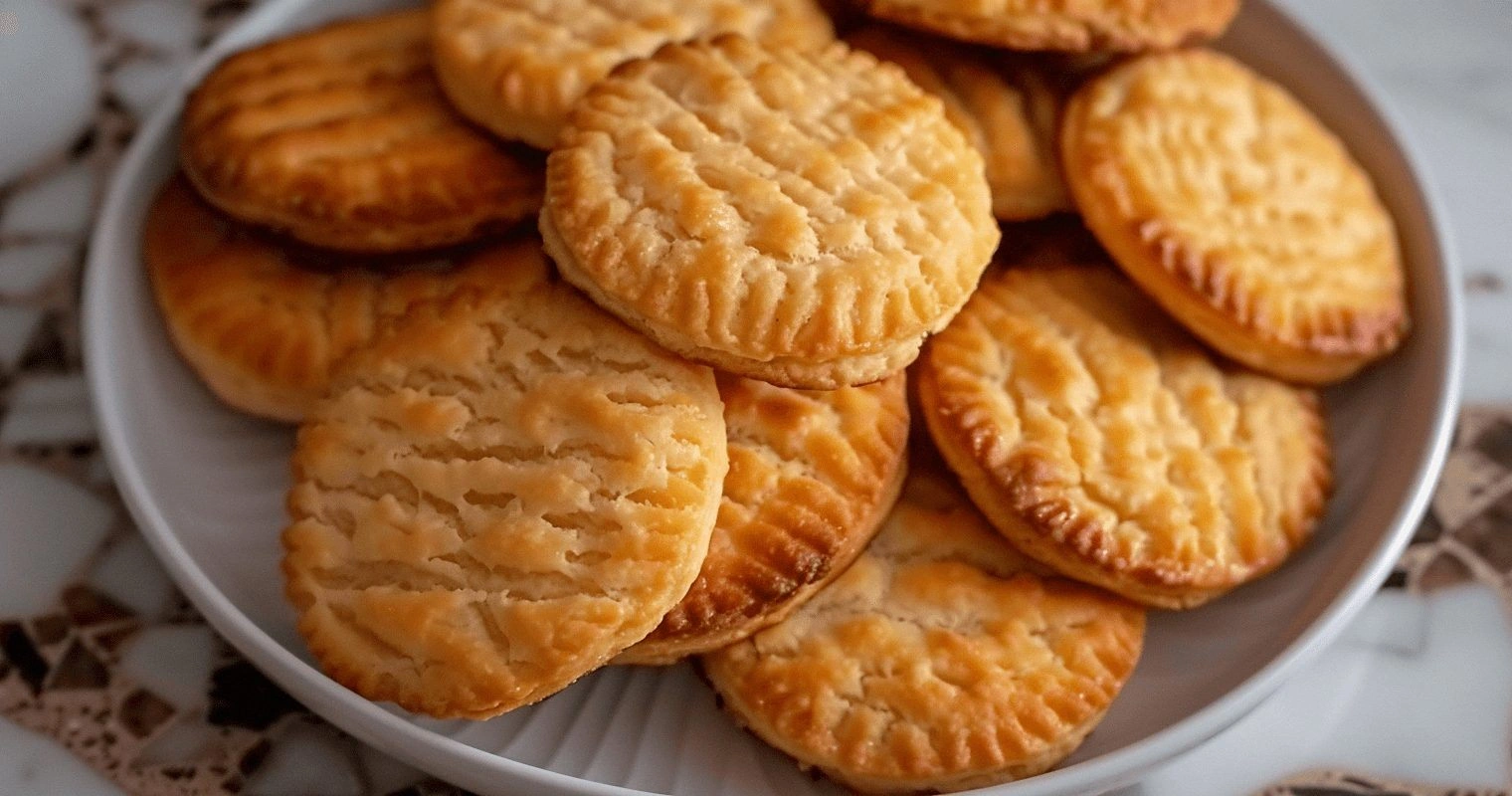
- Crispy-Shatter Shell: We’re talking thin glass-like edges that crack under your teeth and give way to a steaming, pillow-soft center. The secret is a quick cornstarch dredge that dehydrates the surface just enough to blister.
- Two-Temperature Oil Bath: Start at 350 °F to set the crust, drop to 325 °F so the inside steams itself fluffy. Most recipes stay at one temp and you end up with raw dough or burnt coats every time.
- Buttermilk Brine Overnight: Sounds fussy, but letting the uncanned biscuits soak in spiced buttermilk overnight is hands-down the best version you’ll ever make at home. The acid relaxes the gluten so they puff like whoopee cushions.
- Cast-Iron Heat Retention: A heavy skillet maintains temperature when you drop in cold dough, preventing that dreaded oil-saturated sponge texture. Heavy metal equals light biscuits—go figure.
- Seasoned Salt Finish: While they’re still glistening, dust them with smoked paprika, honey powder, and a kiss of cayenne. It’s the grown-up answer to carnival donuts, and yes, people will hover like vultures.
- Make-Ahead Magic: Par-fry for ninety seconds, freeze on a sheet tray, then finish from frozen whenever the craving hits. Future pacing? You’ll thank tomorrow-you when friends drop by unannounced.
- Crowd Reaction Guarantee: I’ve served these at tailgates, book clubs, and one very judgy baby shower; plates return wiped clean every single time. One guy proposed—okay, he proposed to the biscuits, not me, but still.
Alright, let’s break down exactly what goes into this masterpiece...
Inside the Ingredient List
The Flavor Base
First up, the refrigerated biscuit dough. I know, I know—purists are clutching their pearls, but hear me out. That dough is already steam-leavened, which means it will expand like a dream in hot oil. If you skip it and start from scratch with biscuit batter, you’ll lose that iconic layer separation that fries into delicate internal petals. Choose the “extra flaky” style, not the “buttermilk” style, because the laminated layers separate into crisp shingles. And please, check the expiration date; old dough produces sad, deflated pucks that taste like baking powder and regret.
Next, full-fat buttermilk for the overnight soak. The lactic acid tenderizes the gluten, and the milk sugars encourage deeper browning. Skimp with low-fat and you’ll get pallid biscuits that taste like disappointment. If you absolutely can’t find real buttermilk, add a tablespoon of white vinegar to whole milk and let it sit ten minutes, but know that the flavor won’t be quite as tangy and complex. Your call, but I’m rooting for the real stuff.
The Texture Crew
Cornstarch might sound out of place, but it’s the covert agent that dehydrates the surface so you get that crave-worthy shatter. Mix it with a whisper of rice flour and the crust stays shatter-light even after the biscuits cool. Skip the cornstarch and you’ll have soft, oily skin—edible, but zero drama. I keep mine in a shaker jar labeled “magic dust” because I’m secretly five years old.
Peanut oil is my go-to for its high smoke point and neutral flavor, but I lace it with a tablespoon of bacon fat for smoky backbone. The combo smells like Saturday morning at the state fair, and it seasons the cast iron while it works. Canola works in a pinch, but it’ll never give you that nostalgic fair-food aroma. Sunflower is decent too, though a bit pricier.
The Unexpected Star
Here’s the twist: a teaspoon of honey powder in the finishing salt. It melts on contact with the hot crust, creating a whisper of sweetness that makes people ask, “What is that?” without being able to place it. You can find honey powder in spice shops or online; if you’re in a pinch, grind up a few dehydrated honey crystals from a packet of instant oatmeal—yes, I’ve done it, and no, I’m not proud. Skip this and the biscuits still rock, but that subtle sweet sheen is what elevates them from state-fair food to something you’d pay artisanal prices for at a hip brunch spot.
The Final Flourish
Smoked paprika and cayenne in the dusting salt give color and a gentle back-of-throat warmth. Use a ratio of three parts salt to one part paprika to half-part cayenne, and mix more than you need; you’ll want it on popcorn, roasted nuts, and possibly your life. I store mine in an old spice jar labeled “Crack Dust,” because naming things is half the fun of cooking. Leave out the heat if you serve kiddos, but honestly, the cayenne is so mild it just adds intrigue.
Everything’s prepped? Good. Let’s get into the real action...
The Method — Step by Step
- Pop the tube of biscuits, but first peel the label slowly; that little hiss is the sound of potential energy waiting to become brunch. Separate the rounds and gently pull each biscuit into two thinner discs—yes, this feels like sacrilege, but thinner layers fry faster and create more crispy real estate. Lay them in a single layer in a glass baking dish. In a bowl, whisk buttermilk with a pinch of salt, a crack of black pepper, and a whisper of garlic powder. Pour this over the biscuits, cover, and refrigerate overnight. Your future self is already doing a victory dance.
- The next morning, set your cast-iron skillet on the stove and pour in peanut oil to a depth of one inch. Clip on a candy thermometer and heat over medium until the oil hits 350 °F. This next part? Pure magic. While the oil climbs, whisk together cornstarch, rice flour, and a pinch of baking powder in a shallow pie plate; this will be your dredging station. Line a sheet tray with a brown paper bag or two layers of paper towels—never use plain white paper towels alone, they’ll glue to the crust like desperate exes.
- Remove a biscuit from the buttermilk bath and let the excess drip off for five seconds—long enough to avoid oil splatter, short enough to keep the surface tacky for dredging. Press it gently into the cornstarch mix, coating both sides, then give it a little shimmy so the excess falls through your fingers like stardust. The coating should look like a light frost on a windowpane, not a snowdrift. Lay the prepared biscuits on a wire rack; stacking them causes the coating to sweat off, and we’re not here for soggy bottoms.
- Okay, ready for the game-changer? Carefully lower three biscuits into the oil, always away from you to avoid splash burns. The temperature will drop—watch the thermometer like it’s the season finale of your favorite show. Adjust the heat so the oil hovers between 325 and 335 °F. Fry for forty-five seconds per side, flipping with a spider strainer or long tongs. When the crust turns the color of a golden retriever puppy, pull them out and let them rest on the paper-lined tray. They’ll continue to darken slightly from residual heat.
- While the oil regains 350 °F, stir together your finishing salt: two tablespoons flaky sea salt, two teaspoons smoked paprika, half-teaspoon cayenne, and a teaspoon of honey powder. Mix it with your fingers so you can feel when the honey powder dissolves. The warmth from your skin helps distribute it evenly—yes, you’re literally seasoning with body heat, how cool is that? Sprinkle this ambrosial dust over the hot biscuits the second they emerge; the heat makes the spices bloom and the honey powder melt into an invisible lacquer.
- Repeat the fry cycle until all biscuits are bronzed and beautiful. Between batches, skim out any floaty bits with a fine mesh strainer; those little crumbs will burn and turn the oil acrid. If the oil gets smoky or smells like a tire fire, lower the heat and add a quarter-cup of fresh oil to dilute the degraded fats. Stay with me here—this is worth it. A clean oil bath equals cleaner flavors and prettier color.
- Now for the moment of truth: tear one open while it’s still too hot to handle responsibly. The crust should fracture into delicate shards, the interior should stretch like mozzarella, and steam should escape like a tiny dragon sighing. If you see raw dough, don’t panic—just pop it back in the oil for fifteen seconds. This is the beauty of the two-temperature method: you can always finish without burning.
- Plate them in a shallow bowl lined with a checkered napkin for peak Southern aesthetic. Drizzle with a ribbon of honey if you’re feeling fancy, or serve with a side of pimento cheese for the full Carolina experience. Don’t walk away from the stove here; people will materialize like cartoon smells, and you’ll need to referee portions. I’ve seen grown adults arm-wrestle over the last one—bring backup.
That’s it—you did it. But hold on, I’ve got a few more tricks that’ll take this to another level...
Insider Tricks for Flawless Results
The Temperature Rule Nobody Follows
Most home cooks eyeball oil heat and then wonder why their biscuits taste like oily regret. The magic window is 350 °F to set the crust, then allow the oil to coast down to 325 °F so the interior steams without scorching. If your burner runs hot, lower the flame the moment you add the biscuits; if it runs cool, raise it slightly. I jot the numbers on a sticky note and slap it on the hood—out of sight, out of mind, and into disappointment.
Why Your Nose Knows Best
When the oil starts to smell like warm popcorn and toasted nuts, you’re in the zone. If it smells like a candle that’s been left in a hot car, you’ve gone too far. Trust the aroma more than the clock; every stove, pan, and biscuit brand is a unique snowflake. A friend tried skipping this step once—let’s just say it didn’t end well, and her cat still won’t enter the kitchen.
The 5-Minute Rest That Changes Everything
After frying, let the biscuits rest on the rack for five full minutes. This allows interior steam to finish cooking the dough and the crust to set its crunch. Rush this and you’ll bite into a limp, gummy center. Use the downtime to brew coffee or reheat your maple syrup; multitasking is the adult version of having superpowers.
Double-Dredge for Extra Shatter
For maximum crunch, give each biscuit a second dip in the cornstarch mix after the first coating has absorbed for thirty seconds. The layer builds a micro-shell that shatters like thin ice under a boot. It’s over-the-top, but so is karaoke night, and nobody complains about that.
Creative Twists and Variations
This recipe is a playground. Here are some of my favorite ways to switch things up:
Maple-Bacon Bonanza
Stir a teaspoon of maple extract into the buttermilk bath and fold crumbled bacon into the finishing salt. The sweet-smoky combo tastes like a pancake breakfast compressed into one bite. Serve with a side of maple syrup spiked with a dash of bourbon for Saturday morning indulgence.
Everything-Bagel Blizzard
Swap the smoked paprika for everything-bagel seasoning in the dusting salt. The sesame and poppy seeds toast in the residual heat, releasing nutty aromas. Cream-cheese whipped with chives makes a dipping sauce that will ruin you for regular bagels.
Buffalo Hotshot
Add a tablespoon of Buffalo wing seasoning to the cornstarch dredge and finish with a light mist of hot sauce instead of honey. The result is a fiery, tangy biscuit that pairs beautifully with ranch dip. Warning: have napkins nearby; things get gloriously messy.
Cinnamon-Sugar Churro Style
Omit the paprika and cayenne, then roll the hot biscuits in cinnamon sugar. The crust crystallizes into a churro-like shell while the inside stays fluffy. Drizzle with melted chocolate and watch them disappear faster than free Wi-Fi passwords.
Herb-Garden Glow-Up
Mix dried dill, parsley, and lemon zest into the finishing salt for a bright, green note. Serve alongside tomato soup and suddenly it’s a sophisticated brunch situation. People will ask if you studied in Provence; just smile mysteriously.
Parmesan-Garlic Clouds
Grate fresh Parmesan into the cornstarch dredge and add garlic powder to the oil (it’ll infuse as it heats). The cheese toasts into lacy frico edges that taste like the best part of a pizza crust. Dip in warm marinara and pretend you’re at a county fair in Sicily.
Storing and Bringing It Back to Life
Fridge Storage
Let any leftovers cool completely, then layer them in an airtight container with parchment between each biscuit. They’ll keep for up to three days, though honestly they rarely last past breakfast. Refrigeration dulls the crunch, so you’ll need the oven revival method below.
Freezer Friendly
Par-fry the biscuits for ninety seconds, cool, then freeze in a single layer on a sheet tray. Once solid, toss them into a zip-top bag and freeze up to two months. When the craving strikes, pop them into a 375 °F oven for eight minutes—no need to thaw. They emerge almost as crisp as day one, and your future self will write you thank-you notes.
Best Reheating Method
Skip the microwave unless you enjoy rubbery sadness. Instead, place biscuits on a wire rack set over a sheet tray and warm in a 350 °F oven for six minutes. Add a tiny splash of water to the tray before closing the door; the gentle steam revives the interior without softening the crust. They’ll taste freshly fried, and your kitchen will smell like you just hosted a brunch empire.