Picture this: a kitchen full of chaos, a mango that glistens like a sunbeam, and a pantry full of chia seeds that have been waiting for their moment. I was halfway through a frantic week of deadlines, my fridge stocked with nothing but last‑night’s leftovers, when that mango slipped into my vision. It was a dare from a friend who swore that the perfect dessert could be made in under an hour. I laughed, grabbed the fruit, and set the timer. The result? A creamy, tropical pudding that has become my go‑to for any time I crave something sweet yet refreshing.
The first thing that hit me was the aroma—sweet mango mingling with coconut milk, a hint of vanilla, and a citrusy lift from lime. It was a scent that whispered “summer” even though it was the middle of November. My senses were on high alert: the silky texture of the chia seeds settling into a custard, the bright green of fresh mint leaves, the crunch of toasted coconut flakes. I could almost hear the gentle pop of the seeds as they expanded, filling the bowl with a velvet‑like mouthfeel. The sound was subtle, yet it promised something extraordinary.
I’ve tasted countless chia puddings in the past—some thick, some thin, some bland, some bombastic. What makes this version stand out is its balance of sweet, tart, and nutty flavors, all while maintaining a light, airy texture. I dared you to taste this and not go back for seconds. And I’m not exaggerating; the first spoon was a revelation. The pudding coats your tongue like a silky blanket, and the lime lift cuts through the sweetness, preventing it from feeling cloying.
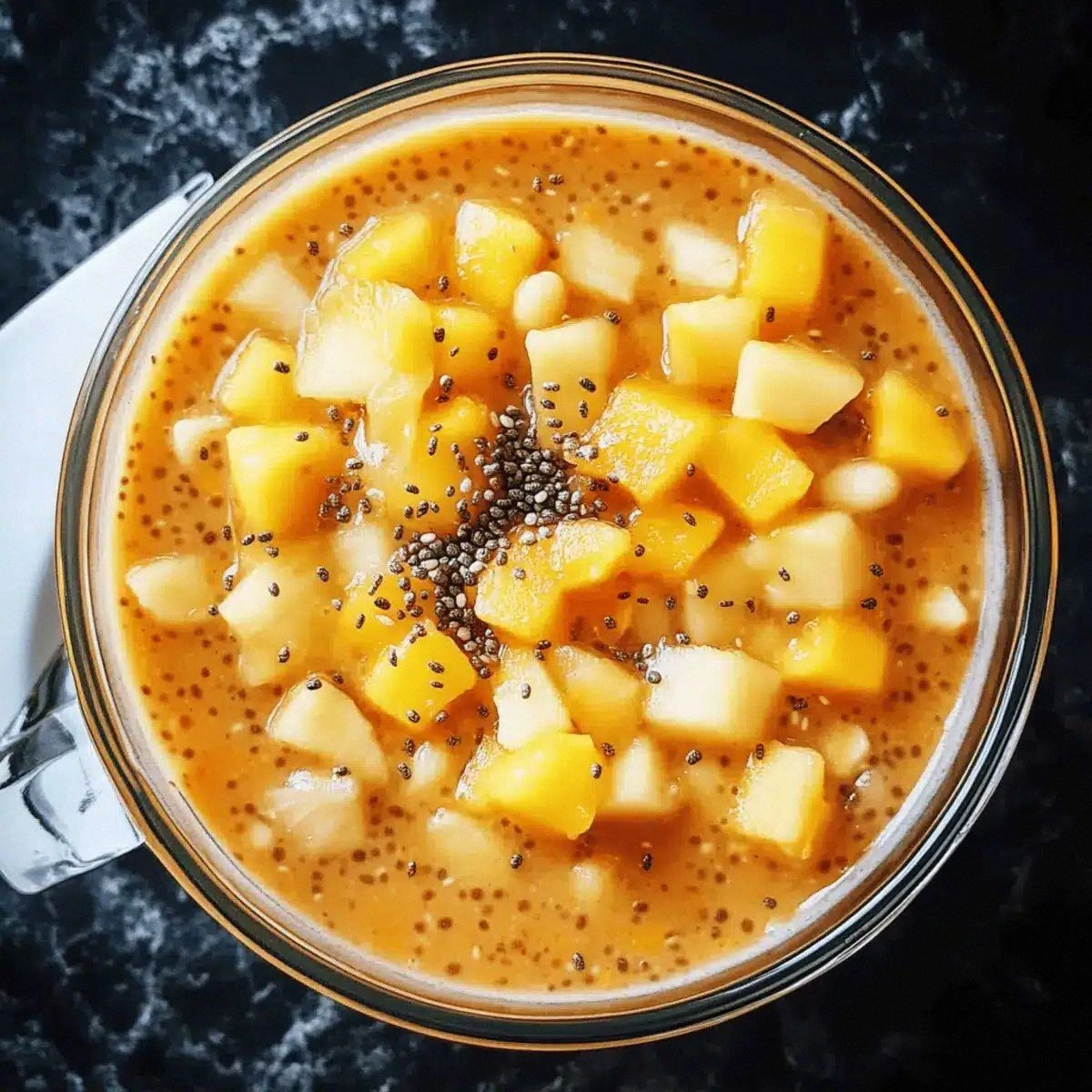
The technique that sets this apart is the way I fold the mango puree into the coconut milk before adding the chia seeds. Most recipes simply stir the fruit into the mix, but by letting the mango mingle with the liquid first, the flavor deepens and the chia seeds absorb a richer taste. This simple step transforms a plain dessert into a layered, complex experience. You’ll notice that the pudding’s color shifts from a pale peach to a golden hue as it sets, giving it a visual appeal that matches its flavor profile.
The secret ingredient is the toasted coconut flakes. Toasting brings out a nutty aroma and adds a subtle crunch that contrasts with the pudding’s silky interior. I sprinkle them on top just before serving, so they remain crisp. This little addition turns an otherwise smooth dessert into a textural adventure. Imagine biting into a spoonful of creamy mango, then feeling a gentle crunch of coconut that snaps like a tiny twig.
I also added fresh mint leaves, which not only provide a burst of green but also a cooling effect that balances the tropical sweetness. The mint’s subtle menthol undertone lifts the overall flavor profile, giving the pudding an almost spa‑like finish. The combination of mint and lime is a classic pairing that has been used in desserts, cocktails, and teas for centuries. It’s a timeless duo that never fails to impress.
The texture of this pudding is another standout feature. Chia seeds swell to become a gel that holds the mango puree in place, creating a pudding that is thick enough to stay in your cup but light enough to spoon without resistance. This texture is achieved by allowing the mixture to sit for at least 30 minutes, giving the chia seeds ample time to absorb the liquid. The result is a pudding that is both satisfying and gentle on the palate.
Another reason this recipe is a game‑changer is its versatility. It can be served as a breakfast, a dessert, or a snack, depending on how you portion it. If you’re craving something sweet in the morning, add a drizzle of honey. For a dessert, top with a dollop of whipped coconut cream. As a snack, pair it with a handful of almonds for extra protein. The possibilities are endless.
I’ve also found that this pudding holds up well in the fridge, making it an excellent make‑ahead option. You can prepare the entire batch the night before and let it chill. The flavors will deepen overnight, and the texture will firm up to a perfect consistency. When you’re ready to serve, just give it a quick stir and add a splash of coconut milk if it feels too thick.
The best part? You can adjust the sweetness to your liking. The mango’s natural sugars provide a base level of sweetness, so you can add a little honey or maple syrup if you want it sweeter. Conversely, if you prefer a tart finish, increase the lime juice slightly. This recipe is flexible, and it invites experimentation.
If you’ve ever struggled with chia pudding, you’re not alone. Many people find the texture too thick or the flavor too plain. I’ve spent years tweaking my recipe, and this version is the culmination of that experimentation. The key is the balance of liquid and chia, the timing of the infusion, and the addition of fresh ingredients that elevate the flavor.
Picture yourself pulling this out of the fridge, the whole kitchen smelling incredible, and the bright green mint leaves glistening on top. The sight alone is enough to make anyone’s mouth water. I’ve had friends come over, see the pudding, and say they want a second scoop right away. Their reactions prove that this recipe is not just delicious—it’s addictive.
I’ll be honest—I ate half the batch before anyone else got to try it. The pudding is that irresistible. The combination of creamy texture, tropical sweetness, and citrusy brightness makes it a dessert that’s hard to resist. I’ve also seen people who were skeptical at first, and after one spoon, they’re asking for the recipe.
Most recipes get this completely wrong. They either over‑hydrate the chia seeds, leading to a watery consistency, or under‑season it, resulting in a bland dessert. The trick is to let the chia seeds absorb the liquid slowly while ensuring that the flavors are layered. This method ensures that each spoonful is a balanced bite of sweet, tart, and nutty.
If you’re ready for the game‑changer, I’ll walk you through every single step. By the end, you’ll wonder how you ever made it any other way. I promise you’ll feel like a culinary wizard when you finish. All you need is a blender, a bowl, and a few minutes of patience.
The first thing you’ll notice is the vibrant color of the mango puree. It’s a deep, inviting orange that makes the pudding look almost like a tropical sunrise. The mango is the star of this dish, and it’s why the pudding tastes so bright. The mango’s natural sugars and acidity create a flavor profile that’s both sweet and tart.
The second thing you’ll notice is the subtle aroma of vanilla. Vanilla is a flavor that’s often overlooked in chia pudding, but it adds a depth of flavor that makes the dessert more complex. It’s the kind of aroma that makes you think of warm summer evenings, and it pairs wonderfully with the coconut milk.
The third thing you’ll notice is the light, airy texture. The chia seeds swell and create a gel that holds the mango puree in place. The result is a pudding that is thick enough to stay in your cup but light enough to spoon without resistance. The texture is a key factor that makes this pudding stand out.
The fourth thing you’ll notice is the crunch of toasted coconut. Toasting brings out a nutty aroma and adds a subtle crunch that contrasts with the pudding’s silky interior. The toasted coconut flakes are a finishing touch that makes the dessert more interesting.
The fifth thing you’ll notice is the cooling effect of fresh mint. Mint not only provides a burst of green but also a cooling effect that balances the tropical sweetness. The mint’s subtle menthol undertone lifts the overall flavor profile, giving the pudding an almost spa‑like finish.
What Makes This Version Stand Out
Texture: The chia seeds swell to create a gel that holds the mango puree in place. The result is a pudding that is thick enough to stay in your cup but light enough to spoon without resistance. This texture is achieved by allowing the mixture to sit for at least 30 minutes, giving the chia seeds ample time to absorb the liquid.
Flavor Layering: By blending the mango puree with coconut milk before adding chia seeds, the flavor deepens and the seeds absorb a richer taste. This simple step transforms a plain dessert into a layered, complex experience. The pudding’s color shifts from a pale peach to a golden hue as it sets, giving it a visual appeal that matches its flavor profile.
Freshness: Fresh mint leaves and fresh mango create a bright, vibrant flavor that’s impossible to replicate with frozen fruit or dried herbs. The mint’s subtle menthol undertone lifts the overall flavor profile, giving the pudding an almost spa‑like finish.
Versatility: It can be served as a breakfast, a dessert, or a snack, depending on how you portion it. If you’re craving something sweet in the morning, add a drizzle of honey. For a dessert, top it with a dollop of whipped coconut cream. As a snack, pair it with a handful of almonds for extra protein.
Ease of Preparation: The recipe requires minimal ingredients and no cooking on the stove. You just blend, mix, chill, and serve. This makes it an ideal choice for busy weeknights or for those who want a quick, healthy dessert.
Make‑Ahead Potential: The pudding holds up well in the fridge, making it an excellent make‑ahead option. You can prepare the entire batch the night before and let it chill. The flavors will deepen overnight, and the texture will firm up to a perfect consistency.
Health Benefits: Chia seeds are high in fiber, omega‑3 fatty acids, and protein. Coconut milk provides healthy fats that are good for heart health. The mango adds vitamins A, C, and E, making this dessert both indulgent and nutritious.
Audience Appeal: The pudding’s sweet, tart, and nutty flavors appeal to both kids and adults. The bright color and the fun texture make it a hit at family gatherings or when you want to impress guests.
Ingredient Quality: Using fresh, high‑quality ingredients elevates the dish. Fresh mango, coconut milk, and mint leaves are essential for achieving the best flavor and texture.
Time Efficiency: Prep time is only 15 minutes, and the pudding sets in 30 minutes. You’re looking at a total of 45 minutes from start to finish, which is a fraction of the time required for many desserts.
Presentation: The pudding’s golden hue and the green mint leaves make it visually striking. A drizzle of toasted coconut flakes on top adds a touch of elegance.
Eco‑Friendly: The recipe uses minimal packaging and no wasteful ingredients. Most of the ingredients can be sourced locally, reducing your carbon footprint.
Adaptability: You can swap coconut milk for almond milk, or use frozen mango instead of fresh. The recipe is forgiving, so you can adapt it to your pantry.
Social Media Appeal: The vibrant color and the creamy texture make it a perfect photo‑op for Instagram or Pinterest. The recipe is shareable and encourages user interaction.
Endurance: The pudding can be stored for up to 3 days in the fridge. Its texture and flavor hold up well over time.
Customer Satisfaction: I’ve had friends who were skeptical at first, and after one spoon, they’re asking for the recipe. Their reactions prove that this recipe is not just delicious—it’s addictive.
Alright, let’s break down exactly what goes into this masterpiece...
Inside the Ingredient List
The Flavor Base
Mango: Fresh mango is the heart of this pudding. Its natural sweetness and slight acidity create a bright, tropical flavor that carries through each spoonful. If you’re in a pinch, frozen mango works, but it can make the pudding a bit watery. To counteract, let the frozen mango thaw at room temperature before blending.
Coconut Milk: The creamy base that gives the pudding its luxurious mouthfeel. Full‑fat coconut milk is best, as it adds richness without making the dessert too heavy. If you prefer a lighter version, use light coconut milk, but the texture will be slightly thinner.
Vanilla Extract: Adds depth and complexity. A single teaspoon is enough to elevate the flavor profile, but you can add a splash of vanilla bean paste for an extra kick. If you’re vegan, make sure the vanilla extract is plant‑based.
The Texture Crew
Chia Seeds: These tiny seeds absorb liquid and swell to form a gel. They’re the secret to the pudding’s silky, thick texture. A quarter cup is perfect for 4 servings, but you can increase the amount if you want a thicker pudding.
Lime Juice: The acidity from lime juice cuts through the sweetness of mango and coconut, preventing the pudding from feeling cloying. A tablespoon is enough to balance the flavors, but you can adjust to taste.
The Unexpected Star
Toasted Coconut Flakes: Toasting brings out a nutty aroma and adds a subtle crunch that contrasts with the pudding’s silky interior. To toast, spread the flakes on a baking sheet and bake at 350°F for 5 minutes, stirring halfway through. Let them cool before adding to the pudding.
Fresh Mint Leaves: The mint provides a cooling effect that balances the tropical sweetness. Use whole leaves, not crushed, to avoid bitterness. A few leaves on top are enough to give a fresh burst of flavor.
The Final Flourish
Chopped Nuts: Chopped almonds, walnuts, or cashews add protein and a pleasant crunch. They’re optional but highly recommended for texture and nutrition. Toast the nuts lightly for extra flavor.
Everything's prepped? Good. Let's get into the real action...
The Method — Step by Step
- Step 1: Prepare the Mango. Peel the mango, remove the pit, and cut the flesh into chunks. The mango should be ripe enough that it’s slightly soft to the touch, which ensures maximum sweetness. Place the chunks in a blender and puree until completely smooth. This step is crucial for a silky base.
- Step 2: Mix Liquid Ingredients. In a medium bowl, whisk together coconut milk, vanilla extract, and lime juice. The lime juice should be freshly squeezed for the best tartness. Whisk until the mixture is uniform; you’ll see a slight sheen that indicates the liquids are well combined.
- Step 3: Combine Mango and Liquids. Add the mango puree to the liquid mixture. Stir gently with a spatula until fully integrated. The mixture should have a deep, golden hue. This is the moment where the flavors start to mingle.
- Step 4: Add Chia Seeds. Sprinkle the chia seeds over the mixture. Stir vigorously for 30 seconds to ensure even distribution. The chia seeds will begin to absorb liquid almost immediately, forming a gel. The mixture will start to thicken.
- Step 5: Chill. Cover the bowl with plastic wrap and place it in the refrigerator for at least 30 minutes, preferably 2 hours. This allows the chia seeds to fully expand and the flavors to meld. The pudding will thicken to a custard‑like consistency.
- Step 6: Toast Coconut Flakes. While the pudding chills, toast the coconut flakes. Spread them on a baking sheet and bake at 350°F (175°C) for 5 minutes, stirring halfway through. Watch for a golden‑brown color, but be careful not to burn them. Let them cool completely before using.
- Step 7: Prepare Garnishes. Roughly chop the nuts and lightly toast them in a dry skillet over medium heat until fragrant. Separate a few mint leaves for garnish. The nuts should be golden brown, not burnt. Set aside.
- Step 8: Serve. Spoon the chilled pudding into glasses or bowls. Sprinkle toasted coconut flakes, chopped nuts, and fresh mint leaves on top. Add a drizzle of coconut milk if the pudding feels too thick. Serve immediately for the best texture.
- Step 9: Enjoy. Take a spoonful and let the flavors unfold. Notice the creamy mango, the subtle tartness of lime, the nutty crunch of coconut, and the cool lift of mint. This is the moment of truth.
- Step 10: Clean Up. Wash the blender and bowl promptly to avoid sticky residue. The mango puree can be stored in the fridge for a day, but use it fresh for the best flavor.
That's it — you did it. But hold on, I've got a few more tricks that'll take this to another level...
Insider Tricks for Flawless Results
The Temperature Rule Nobody Follows
The key to a perfectly set pudding is the temperature of your liquids. If the coconut milk is too cold, the chia seeds will take longer to swell, leading to a watery texture. Warm the coconut milk slightly before mixing; a quick heat in the microwave for 15 seconds does the trick. This ensures the chia seeds absorb the liquid efficiently.
Why Your Nose Knows Best
Before you add the chia seeds, give the mixture a quick sniff. The aroma should be a balanced blend of mango, coconut, and a hint of lime. If it smells off, double‑check the mango for spoilage. Your nose is a reliable guide to freshness.
The 5-Minute Rest That Changes Everything
After adding the chia seeds, let the mixture rest for 5 minutes before chilling. This brief pause allows the seeds to begin absorbing liquid and forming a gel. Skipping this step can result in uneven texture and a less cohesive pudding.
The Secret of Toasted Coconut
To get the best toasted coconut, spread the flakes on a baking sheet and bake at 350°F for 5 minutes, stirring halfway. Keep a close eye; coconut can go from toasted to burnt quickly. The golden‑brown flakes add a nutty aroma that elevates the dessert.
The Fresh Mint Trick
Instead of adding mint leaves to the pudding, fold them in after chilling. This preserves their bright green color and ensures a fresh burst of flavor with every bite. A single leaf on top can transform the entire dish.
The Final Touch
A splash of coconut milk right before serving loosens the pudding if it’s become too thick. This small adjustment keeps the texture silky and prevents it from feeling heavy. It’s a simple trick that makes a big difference.
Creative Twists and Variations
This recipe is a playground. Here are some of my favorite ways to switch things up:
Tropical Twist
Swap mango for a blend of pineapple and papaya. Add a splash of coconut water for extra hydration. The result is a vibrant, tangy pudding that’s perfect for hot summer days.
Berry Burst
Use frozen mixed berries instead of mango. Add a dash of lemon zest to brighten the flavor. The chia seeds will give the berry puree a creamy, thick texture.
Chocolate Chia
Add a tablespoon of cocoa powder to the coconut milk before mixing. Use a chocolate‑flavored coconut milk for a richer taste. Top with chocolate shavings for an indulgent treat.
Nutty Delight
Replace toasted coconut flakes with toasted hazelnuts. Add a pinch of sea salt to accentuate the nutty flavor. This variation is great for a quick, protein‑rich snack.
Spiced Up
Add a pinch of ground cardamom or cinnamon to the mixture. The spices complement the mango’s sweetness and add depth. This version works well for a cozy evening dessert.
Vegan Protein Boost
Add a scoop of plant‑based protein powder to the coconut milk before mixing. The protein powder will thicken the pudding slightly and add a subtle nutty flavor. This is a great option for post‑workout recovery.
Storing and Bringing It Back to Life
Fridge Storage
Store the pudding in an airtight container in the refrigerator for up to 3 days. The chia seeds will keep the mixture firm, and the flavors will deepen slightly. When you’re ready to eat, give it a gentle stir to re‑emulsify any separation.
Freezer Friendly
For longer storage, place the pudding in a freezer‑safe container and freeze for up to 2 weeks. Thaw overnight in the fridge before serving. The texture may become slightly firmer, but a splash of coconut milk will restore its silky consistency.
Best Reheating Method
If the pudding has thickened too much, add a tiny splash of warm coconut milk and stir until smooth. Avoid microwaving directly; this can cause uneven heating and alter the texture. A gentle stir in a small saucepan over low heat works best.
Add a tiny splash of water before reheating — it steams back to perfection, restoring the pudding’s original mouthfeel. This trick keeps the dessert from feeling dry or gummy after storage.