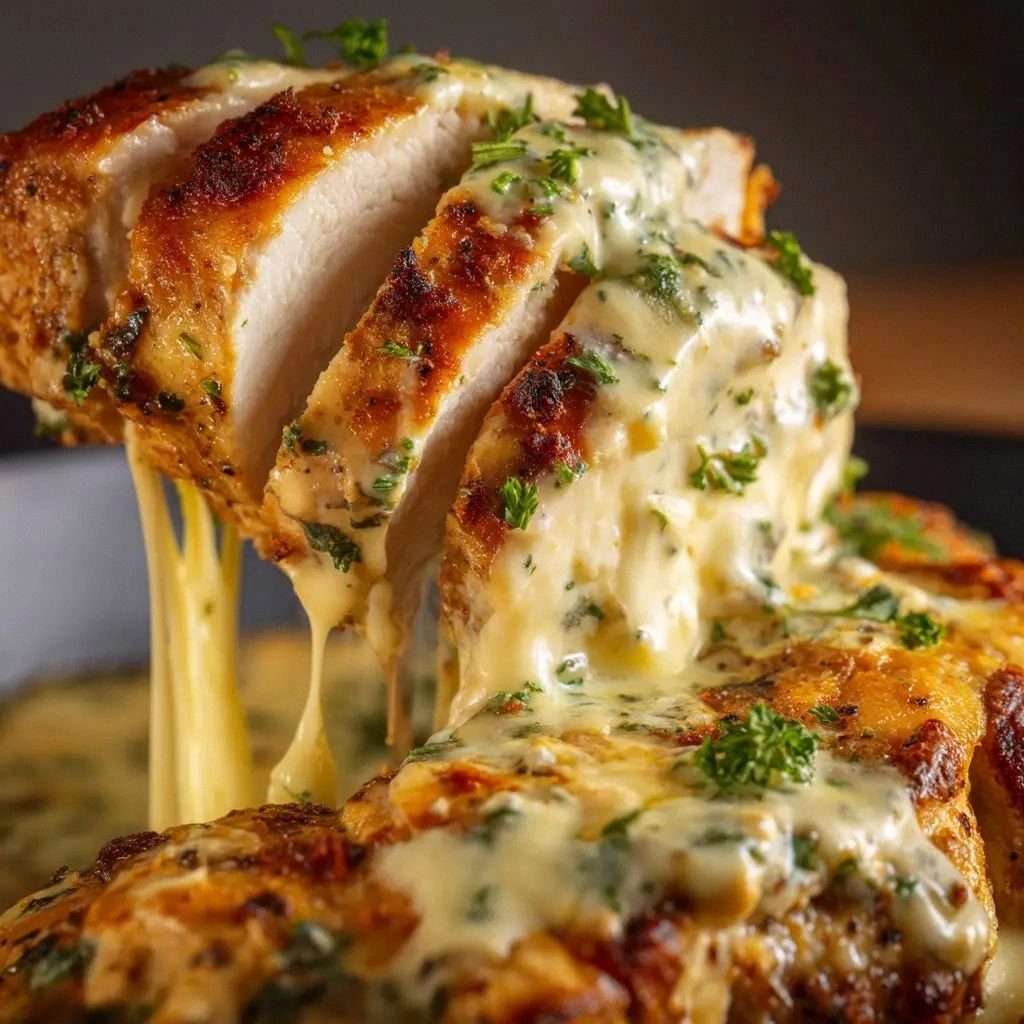
I was standing in my kitchen, staring at a pile of potatoes that had been sitting in the fridge for days, when a sudden craving hit me like a thunderclap. I wanted something comforting, something that would fill the house with a buttery aroma and make every family member line up at the table. So I pulled out my trusty skillet, a handful of garlic, and a mountain of Gruyère, and I set out to create a dish that would make even the most skeptical of taste buds sing. The result? A creamy scalloped potato that is hands down the best version you'll ever make at home.
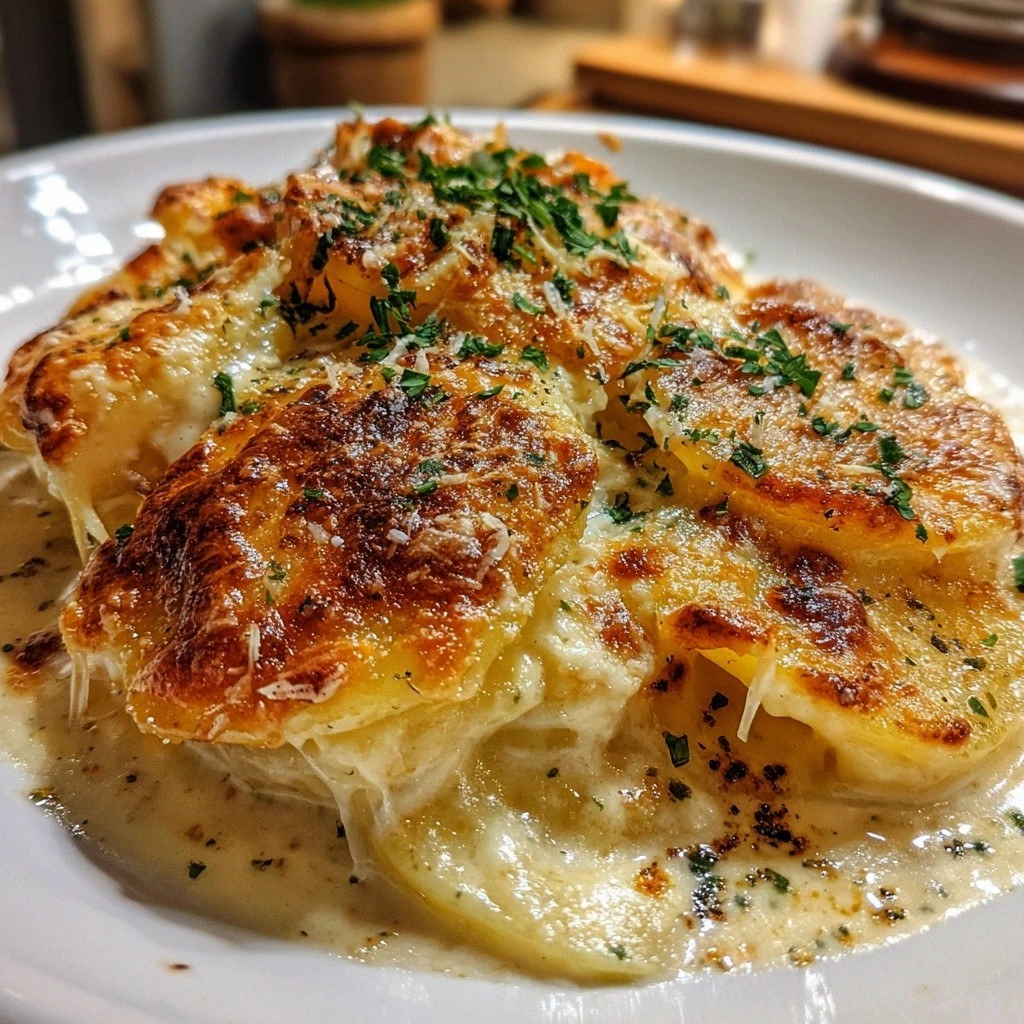
Picture the scene: a golden pan sizzling on the stove, the sharp, fragrant scent of garlic mingling with the rich, buttery aroma of melting cheese. The potatoes, sliced thin and perfectly uniform, lay in a buttery bed, their edges crisping to a golden perfection that shatters like thin ice when you bite into them. The sauce coats the potatoes like velvet, each bite a harmonious blend of creamy, nutty, and subtly spicy flavors. The sound of the bubbling sauce is the soundtrack to a comforting meal, and the sight of the bubbling, golden crust is a promise of indulgence.
What makes this version stand out is the meticulous layering of flavor and texture. I used Yukon Gold potatoes for their buttery flesh and smooth texture, which hold up beautifully under a rich, creamy sauce. The combination of heavy cream and milk gives the sauce a luxurious mouthfeel without overwhelming the delicate potato. The Gruyère and Parmesan create a complex, nutty flavor profile that is both savory and slightly sweet, while the garlic adds a punch of aromatic heat. A pinch of nutmeg brings warmth and depth, turning a simple side dish into a culinary revelation.
And here's the kicker: I added a subtle, unexpected twist by sautéing the garlic in butter before adding it to the sauce. This step deepens the flavor and gives the dish a silky finish that you won't find in most scalloped potato recipes. I dare you to taste this and not go back for seconds. If you've ever struggled with this dish, you're not alone — and I've got the fix. Stay with me here, this is worth it.
What Makes This Version Stand Out
- Ingredient Quality: Using fresh Yukon Gold potatoes and real Gruyère elevates the dish from ordinary to extraordinary. The natural butteriness of the potatoes pairs perfectly with the creamy sauce, creating a mouthfeel that feels indulgent yet balanced. This is the foundation that makes every bite memorable.
- Flavor Layering: The combination of garlic sautéed in butter, a splash of nutmeg, and a blend of two cheeses builds complexity. Each element complements the others, resulting in a sauce that is both rich and nuanced. The subtle heat from the pepper adds just enough kick without overpowering.
- Texture Contrast: Thinly sliced potatoes provide a delicate chew, while the baked crust offers a satisfying crunch. The sauce coats each layer like velvet, creating a harmony between soft and crisp. The final result is a dish that feels both comforting and elegant.
- Ease of Preparation: The steps are straightforward, requiring no advanced techniques or exotic ingredients. This recipe is a perfect example of how a simple dish can become a crowd-pleaser with the right touch. You can whip it up in less than an hour, making it ideal for weeknight dinners.
- Make‑Ahead Potential: The dish can be assembled ahead of time and baked later, saving you time on busy evenings. The flavors actually improve as they meld together, making it a great option for meal prep. Just cover tightly and refrigerate, then bake when you’re ready to serve.
- Versatility: Whether you’re cooking for a family gathering, a holiday dinner, or a casual Sunday meal, this scalloped potato adapts to any occasion. It pairs wonderfully with roasted meats or as a hearty vegetarian side. The recipe’s adaptability is one of its strongest selling points.
Inside the Ingredient List
The Flavor Base
Garlic, sautéed in butter, forms the aromatic foundation of the dish. The butter not only softens the garlic but also infuses the sauce with a rich, nutty undertone. Skipping this step will leave the sauce feeling flat and lacking depth, so don’t skip it. If you’re sensitive to garlic, reduce the amount to one clove, but remember that the flavor profile will change.
The Texture Crew
Yukon Gold potatoes provide a buttery, smooth texture that holds up beautifully under the sauce. Their natural starch content creates a silky mouthfeel that blends with the cream. If you prefer a firmer bite, try using a waxy potato like Red Bliss, but the overall flavor will shift slightly toward a drier consistency.
The Unexpected Star
Nutmeg is the secret weapon that adds warmth and depth. A pinch of nutmeg transforms the dish from ordinary to gourmet, offering a subtle spice that complements the cheese. If nutmeg is not available, a dash of cinnamon can be a surprising substitute, though it will alter the flavor profile.
The Final Flourish
Gruyère and Parmesan cheeses bring a nutty, savory finish that caramelizes into a golden crust. The combination of the two cheeses balances richness with a slightly salty finish. If you’re looking for a vegan version, replace the cheeses with nutritional yeast and a splash of plant‑based milk.
Everything's prepped? Good. Let's get into the real action.
The Method — Step by Step
- Preheat your oven to 375°F (190°C). Lightly grease a 9-inch square baking dish with butter, ensuring the sides are coated to prevent sticking. This step might seem trivial, but a well‑buttered dish guarantees that the potatoes will slide out effortlessly after baking.
- Wash and peel the potatoes, then slice them into 1/8-inch thick rounds using a mandoline or a sharp knife. Uniform thickness is key; uneven slices can lead to uneven cooking and a patchy texture. Pat the slices dry to remove excess moisture, which helps create a crisp crust.
- In a small saucepan, melt the butter over medium heat. Add the minced garlic and sauté for about 30 seconds until fragrant, being careful not to let it brown. The garlic should release a gentle, buttery aroma, indicating that it’s ready to infuse the sauce.
- Pour the heavy cream into the saucepan with the garlic‑butter mixture and bring to a gentle simmer. Stir in the milk and let the mixture thicken slightly, which should take about 3 minutes. The sauce should be glossy and ready to coat the potatoes.
- Season the sauce with salt, pepper, and nutmeg, stirring until fully incorporated. The nutmeg adds a subtle warmth that enhances the cheese’s nutty notes. Taste the sauce; it should be rich but not overpowering.
- Layer half of the sliced potatoes in the prepared baking dish, overlapping them slightly to create a uniform base. Pour half of the sauce over the potatoes, ensuring even coverage. Sprinkle one‑third of the Gruyère and a pinch of Parmesan over the top. This step is crucial for building layers of flavor and texture.
- Repeat the layering process with the remaining potatoes, sauce, and cheeses, finishing with a generous sprinkle of Parmesan on top. The top layer of Parmesan will melt into a golden, slightly crisp crust that is the hallmark of this dish.
- Cover the baking dish with aluminum foil and bake for 25 minutes. After 25 minutes, remove the foil and bake for an additional 10 minutes, or until the top is golden brown and the potatoes are tender when pierced with a fork. The final result should be a beautiful, creamy casserole with a crisp, cheese‑topped crust.
- Let the dish rest for 5 minutes before serving. Resting allows the sauce to set slightly, making it easier to cut and serve. The aroma will be even more irresistible, and the texture will be perfectly balanced between creamy and crunchy.
Insider Tricks for Flawless Results
The Temperature Rule Nobody Follows
Baking at 375°F is ideal, but if you’re using a convection oven, reduce the temperature by 25°F. This prevents the top from burning while ensuring the potatoes cook through evenly. I once baked at 400°F and the crust was burnt while the middle was undercooked—never again.
Why Your Nose Knows Best
Smell the sauce as it simmers; a subtle, buttery aroma is a sign that the garlic is perfectly sautéed. If the scent is too sharp, the garlic is likely overcooked. Trust your nose to guide you to the right balance of flavor.
The 5‑Minute Rest That Changes Everything
Letting the casserole sit for 5 minutes after baking allows the sauce to thicken slightly, preventing it from sliding off the potatoes when you serve. It also lets the cheeses melt into a cohesive layer. I’ve seen people rush to serve immediately, only to have the dish drip.
Layering Secrets
Start with a base layer of sauce before adding the first potato layer. This technique prevents the potatoes from drying out during baking. Some chefs add a thin layer of grated cheese between each potato layer for extra richness.
The Butter‑Sautéed Garlic Advantage
Sautéing garlic in butter releases a deep, caramelized flavor that sets this dish apart from plain garlic‑infused sauces. The butter also helps the garlic cook evenly, preventing bitterness. Skip this step, and you’ll miss out on a depth of flavor that makes the dish unforgettable.
The Final Cheese Blend
Using both Gruyère and Parmesan creates a layered cheese flavor: Gruyère offers a creamy, nutty base, while Parmesan adds a sharp, salty finish. If you prefer a milder cheese, replace the Parmesan with a milder aged cheddar. The key is to balance richness with a hint of sharpness.
Creative Twists and Variations
Smoky Chipotle Infusion
Add a teaspoon of chipotle powder to the sauce for a smoky heat that pairs well with grilled meats. The chipotle brings depth and a subtle peppery note, making the dish ideal for a Tex‑Mex inspired dinner. Just remember to balance the heat with a touch of extra cream.
Herb‑Rich Garden Edition
Stir in chopped fresh thyme, rosemary, and parsley before baking. The herbs infuse the dish with a fragrant, earthy aroma, turning the casserole into a garden‑inspired side. This version is perfect for spring or summer gatherings.
Mushroom & Truffle Twist
Sauté sliced mushrooms in butter and add them to the layering before the final cheese layer. A few drops of truffle oil after baking will elevate the dish to a luxurious, earthy delight. This variation works wonderfully with roasted pork or duck.
Vegan Version
Replace the butter with olive oil, use plant‑based milk, and substitute the cheeses with nutritional yeast and vegan cheddar. The result is a creamy, dairy‑free casserole that still delivers on flavor. It’s a great option for guests who are lactose intolerant.
Breakfast‑Style Breakfast Casserole
Add diced bacon or sausage, a handful of shredded cheddar, and a splash of milk before baking. This hearty breakfast version pairs wonderfully with eggs or a light salad. The creamy sauce complements the savory meats for a satisfying morning meal.
Lemon‑Zest Brightener
Grate a lemon’s zest into the sauce for a bright, citrusy contrast to the richness. The lemon zest adds a refreshing lift that pairs well with poultry. It’s a simple tweak that transforms the dish’s overall profile.
Storing and Bringing It Back to Life
Fridge Storage
Cool the casserole to room temperature, then cover tightly with plastic wrap or aluminum foil. Store in the refrigerator for up to 3 days. When ready to serve, reheat in the oven at 350°F (175°C) for 15–20 minutes, or until heated through. The cheese will re‑melt into a creamy coating, just as fresh.
Freezer Friendly
Wrap the casserole tightly in plastic wrap, then place it in a freezer‑safe container. Freeze for up to 2 months. To reheat, thaw overnight in the refrigerator, then bake at 350°F (175°C) for 25–30 minutes. The texture remains silky, and the flavors stay intact.
Best Reheating Method
Reheat the casserole in a pre‑heated oven at 350°F (175°C) for 15–20 minutes, or until the sauce is hot and bubbly. Add a tiny splash of water or milk before reheating; this steams the dish back to a perfectly moist, creamy consistency. Avoid microwaving, as it can make the potatoes mushy.