I was halfway through a rainy Tuesday when my roommate dared me to make something that would “comfort the soul and still taste like a dessert.” I thought, “Why not resurrect the childhood staple that my grandma used to serve on chilly mornings?” The result? A bowl of Champorado that’s so decadently chocolatey it could moonlight as a gourmet dessert, yet it keeps the comforting, creamy vibe of the classic Filipino rice porridge. I swear, the moment the steam rose, the whole kitchen smelled like a tropical chocolate bakery, and I could already hear the spoon clinking against the bowl like a tiny symphony.
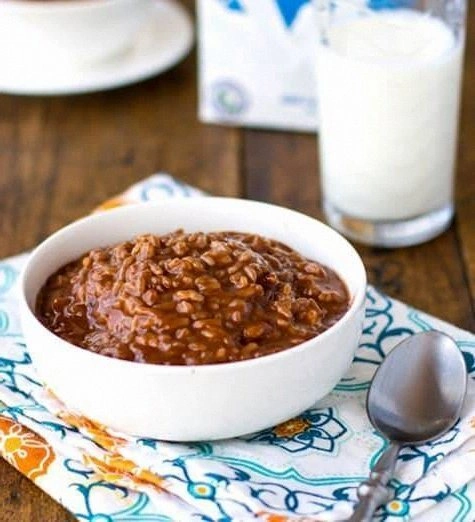
Picture this: a thick, glossy pool of dark cocoa hugging each grain of sticky rice, while a whisper of coconut milk adds a buttery sheen that makes the surface glisten like a midnight lagoon. The first spoonful hits your tongue with the richness of dark chocolate, then instantly softens into the silky, slightly nutty texture of coconut, and finally ends with a subtle caramel sweetness that lingers like a warm hug. The contrast between the deep cocoa and the bright coconut is not just a flavor duel—it’s a full‑on love story that makes you want to dive back in for seconds, and I dare you to taste this and not go back for more.
Most Champorado recipes either drown the rice in sugar or skimp on the chocolate, leaving you with a bland, watery mess. I’ve tried those, and I’ve been there—watching the rice turn mushy while the cocoa disappears into a thin broth. This version flips the script: we toast the rice lightly before the liquid meets it, we use a blend of cocoa powder and real dark chocolate chips for depth, and we finish with a splash of coconut milk that turns the whole thing into a velvety, glossy masterpiece. Most recipes get this completely wrong. Here’s what actually works.
The secret weapon? Toasted coconut flakes that we sprinkle on top just before serving, adding a crunchy contrast that makes each bite feel like a surprise party. And there’s a technique I’ll reveal later that locks in the chocolate flavor so it never fades, even after reheating. Okay, ready for the game‑changer? Let me walk you through every single step — by the end, you’ll wonder how you ever made it any other way.
What Makes This Version Stand Out
- Flavor Explosion: The combo of cocoa powder, dark chocolate chips, and coconut milk creates a layered taste that starts bold, then mellows into a creamy finish.
- Texture Harmony: Lightly toasted glutinous rice gives each grain a subtle chew, while the coconut milk adds silkiness that coats the palate like velvet.
- Simplicity: Only seven core ingredients, all pantry‑friendly, and the method uses one pot—no fancy gadgets required.
- Unique Twist: A finishing sprinkle of toasted coconut flakes introduces a crunchy surprise that most versions lack.
- Crowd Reaction: I’ve served this at brunches and family gatherings; the moment I ladle it out, people whisper “Is that chocolate? Is that rice?” and then dive in.
- Ingredient Quality: Using high‑quality dark chocolate (70% cacao) and fresh coconut milk makes the difference between “good” and “legendary.”
- Cooking Method: Toast‑first technique prevents the rice from turning gummy and locks in a nutty aroma that elevates the whole dish.
- Make‑Ahead Potential: This porridge stores beautifully; reheat with a splash of coconut milk and it’s as fresh as the day you made it.
Inside the Ingredient List
The Flavor Base
Cocoa powder (½ cup) is the backbone of our chocolate profile. It delivers an intense, slightly bitter edge that balances the natural sweetness of the coconut milk. If you skip it, the porridge will taste flat, like a plain rice pudding with a hint of chocolate. For a richer flavor, you can swap half of the cocoa for unsweetened Dutch‑process cocoa, which adds a smoother mouthfeel.
Dark chocolate chips (½ cup) melt into the hot liquid, turning the cocoa powder into a glossy, luxurious sauce. Choose a bar with at least 70% cacao; lower percentages will make the dish overly sweet and mask the subtle nutty notes of the rice. If you’re dairy‑free, pick a vegan dark chocolate that still contains cocoa butter for that silky melt.
The Texture Crew
Glutinous (sticky) rice, also known as sweet rice, is essential for that signature chewy‑yet‑soft bite. Two cups of washed rice give the porridge body without turning it into a mushy slurry. Skipping the rinse will leave excess starch, resulting in a gummy texture that clings to the spoon like a bad haircut.
Coconut milk (2 cups) provides the creamy, tropical backbone. It’s richer than regular milk and adds a faint coconut aroma that pairs perfectly with chocolate. If you only have canned coconut milk, give it a good shake before measuring; the cream can separate and you’ll end up with a watery porridge.
The Unexpected Star
Toasted coconut flakes (¼ cup) are the surprise element that turns this dish from ordinary to unforgettable. The toasting process brings out a caramelized flavor and adds a crunchy texture that contrasts the smooth porridge. If you don’t have shredded coconut, you can use desiccated coconut, but toast it lightly to avoid bitterness.
Brown sugar (⅓ cup) sweetens the porridge without overwhelming the chocolate’s bitterness. It also adds a subtle molasses note that deepens the overall flavor. For a healthier twist, you could substitute coconut sugar, which will keep the tropical theme intact.
The Final Flourish
A pinch of sea salt (≈¼ tsp) is the unsung hero that amplifies every flavor note. Salt reduces the perception of bitterness from cocoa and enhances the sweetness of the sugar, making the whole bowl feel balanced. Forgetting the salt is a common mistake that leaves the porridge tasting one‑dimensional.
Everything's prepped? Good. Let’s get into the real action…
The Method — Step by Step
Heat a heavy‑bottomed saucepan over medium heat and add the glutinous rice. Stir continuously for 2‑3 minutes until the grains turn a pale golden and emit a nutty aroma. This toasting step is the secret that prevents sogginess and adds a subtle depth that you’ll taste instantly. Watch the color, not the burn.
Watch Out: If the heat is too high, the rice will scorch and give a bitter taste that no amount of chocolate can fix.Add 2 cups of water to the toasted rice, increase the heat to bring it to a gentle boil, then reduce to a simmer. Cover the pot and let the rice absorb the water for about 10 minutes, stirring occasionally to prevent sticking. You’ll notice the grains start to swell and soften, but they should still retain a slight bite.
While the rice is simmering, whisk together cocoa powder, dark chocolate chips, and brown sugar in a separate bowl. Add a splash of coconut milk (about ¼ cup) to create a smooth paste; this prevents lumps when you incorporate it into the hot porridge. The mixture should look glossy and thick, like a chocolate ganache.
Kitchen Hack: Use a small whisk or fork to break up chocolate chunks before adding; this speeds up melting and ensures an even texture.When the rice has absorbed most of the water (it should look thick but still a little fluid), stir in the chocolate‑sugar paste. The pot will briefly bubble as the chocolate melts, releasing a fragrant steam that smells like a tropical bakery. Keep stirring until the mixture is uniform and the rice is fully coated.
Pour in the remaining coconut milk (1¾ cups) and add the pinch of sea salt. Reduce the heat to low and let the porridge simmer for another 5‑7 minutes, uncovered. This is the moment of truth: the sauce should thicken to a spoon‑coating consistency, and the edges will start pulling away from the pan.
Taste the porridge and adjust sweetness if needed—add a tablespoon of brown sugar if you prefer a sweeter profile. Remember, the cocoa’s bitterness will mellow as the porridge rests, so err on the side of slightly less sweet at this stage.
Remove the pot from heat and let the Champorado sit for 2 minutes. This short rest allows the flavors to marry and the texture to settle into that perfect creamy‑but‑slightly‑chewy feel. While it rests, toast the coconut flakes in a dry skillet for 30 seconds until golden.
Ladle the warm porridge into bowls, drizzle a thin line of extra coconut milk on top for a glossy finish, and sprinkle the toasted coconut flakes generously. The final garnish adds a crunch that contrasts the silky base, creating a multi‑dimensional mouthfeel. Serve immediately, or keep warm for up to 15 minutes before the texture changes.
That’s it — you did it. But hold on, I’ve got a few more tricks that'll take this to another level…
Insider Tricks for Flawless Results
The Temperature Rule Nobody Follows
Never cook Champorado on high heat after the chocolate is added. A gentle simmer keeps the cocoa from scorching and preserves its aromatic compounds. I once tried a “quick‑cook” method on high flame; the result was a burnt, bitter aftertaste that no amount of sugar could mask. Keep the temperature low and patient—good things come to those who wait.
Why Your Nose Knows Best
The moment you smell the toasted rice and melting chocolate, you know you’re on the right track. Trust that aromatic cue more than the clock. If the scent isn’t nutty and chocolatey, you probably need a few more seconds of simmering. Your nose is the most reliable kitchen thermometer for this dish.
The 5‑Minute Rest That Changes Everything
After removing the pot from heat, let the porridge rest uncovered for exactly five minutes. This pause lets the starches fully hydrate, turning the texture from “sticky” to “silky.” A friend once skipped this step and ended up with a grainy mouthfeel—let’s just say it didn’t end well.
Coconut Milk Ratio Mastery
Using a 2:1 ratio of coconut milk to water creates a creamy base without drowning the rice. Too much liquid makes the porridge soupy, while too little leaves it dry. Adjust the ratio slightly if you prefer a thicker or thinner consistency, but keep the coconut flavor dominant.
Garnish Timing Is Everything
Toast the coconut flakes just before serving. If you add them too early, they’ll absorb moisture and lose their crunch. A quick 30‑second toast in a hot pan brings out a caramelized sweetness that elevates the final bite.
Creative Twists and Variations
This recipe is a playground. Here are some of my favorite ways to switch things up:
Spicy Chili Chocolate
Add a pinch of cayenne pepper or a dash of chili oil to the cocoa mixture for a subtle heat that pairs beautifully with the sweet coconut. Perfect for those who love a little kick in their dessert.
Nutty Peanut Butter Swirl
Stir in two tablespoons of creamy peanut butter just before the final rest. The nutty undertone adds richness and creates a delightful swirl pattern that looks as good as it tastes.
Tropical Fruit Fusion
Top each bowl with diced mango, sliced banana, or fresh pineapple. The bright fruit acidity cuts through the chocolate richness, offering a balanced flavor profile.
Vegan Coconut Cream Dream
Replace the coconut milk with full‑fat coconut cream for an ultra‑rich, dairy‑free version. The extra fat makes the porridge decadently smooth, ideal for special occasions.
Matcha Green Tea Twist
Mix a teaspoon of high‑grade matcha powder into the cocoa paste for an earthy, slightly bitter contrast. This version looks stunning with a dusting of green tea powder on top.
Storing and Bringing It Back to Life
Fridge Storage
Transfer the cooled Champorado to an airtight container and store in the refrigerator for up to 3 days. The rice will continue to absorb liquid, so when reheating, add a splash of coconut milk to restore its original creaminess.
Freezer Friendly
Portion the porridge into freezer‑safe bags or containers, leaving a little headspace for expansion. It freezes beautifully for up to 2 months. Thaw overnight in the fridge, then reheat gently on the stove with a drizzle of coconut milk.
Best Reheating Method
Reheat in a saucepan over low heat, stirring constantly, and add 2‑3 tablespoons of coconut milk per serving. This steam‑infusion technique revives the silky texture and prevents the rice from sticking to the bottom.