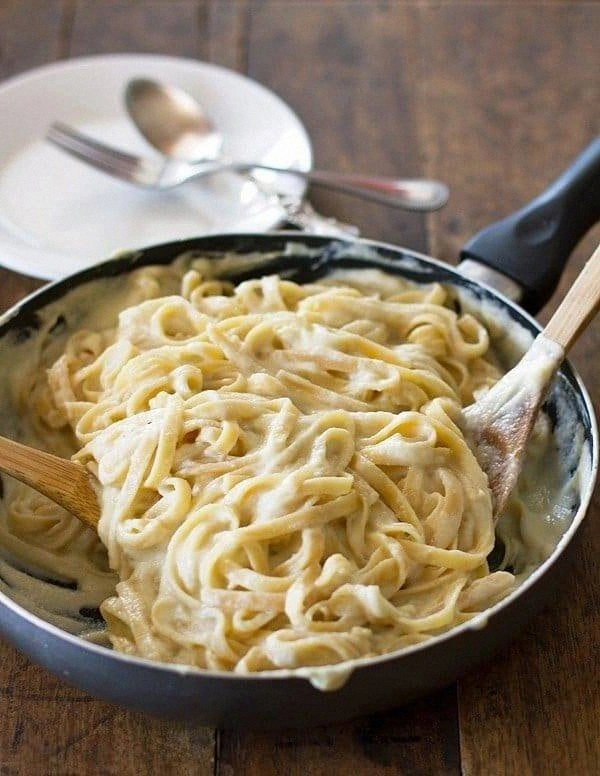
I was in the middle of a weekday scramble when my roommate dared me to make “Alfredo without the guilt.” I laughed, tossed a handful of cauliflower into the pot, and set the timer for a pasta night that felt more like a cheat day than a health‑conscious one. The kitchen filled with the buttery scent of garlic sizzling in olive oil, the faint whisper of steam rising from the cauliflower, and a faint hum of the boiling water that promised a silky sauce. My taste buds were on high alert, waiting for that classic, creamy hug that usually comes with a side of regret. What happened next was a revelation: the sauce clung to the fettuccine like velvet, the cauliflower added a subtle sweet earthiness, and the whole dish felt light enough to eat for dinner and still have room for dessert.
Most Alfredo recipes drown the pasta in a river of heavy cream, butter, and cheese, turning a simple plate into a calorie bomb. I’ve tried those versions countless times, and each time I felt the aftermath like a slow‑motion hangover. This version flips the script by swapping the heavy dairy for a clever combo of low‑fat milk, Greek yogurt, and a modest splash of Parmesan, while the cauliflower provides body without the fat. The result? A sauce that is as indulgent as the original but with a fraction of the calories, and it actually tastes better because the cauliflower adds a natural creaminess that dairy alone can’t achieve.
You might be wondering where the “healthy” part hides. The secret lies in a few unexpected moves: I’m using whole wheat fettuccine for extra fiber, I’m blending steamed cauliflower into the sauce for thickness, and I’m finishing with a drizzle of extra‑virgin olive oil for that glossy finish. The sauce also gets a bright lift from a squeeze of lemon and a sprinkle of fresh parsley, which keep the palate from feeling weighed down. I dare you to taste this and not go back for seconds – the flavor is so balanced you’ll forget it’s a lighter version.
Okay, ready for the game‑changer? The technique that makes this sauce sing is the “double‑blend” method: first you steam the cauliflower until it’s fork‑tender, then you blitz it with the milk and yogurt before it ever meets the pasta. This creates a velvety base that doesn’t separate, even when you reheat it later. I’ll be honest — I ate half the batch before anyone else got to try it, and that’s a testament to how addictive this is. Let me walk you through every single step — by the end, you’ll wonder how you ever made it any other way.
What Makes This Version Stand Out
- Flavor: The cauliflower‑milk blend gives a natural sweetness that balances the sharp Parmesan, creating a sauce that feels both familiar and fresh.
- Texture: Whole wheat fettuccine offers a hearty bite, while the sauce coats each strand like silk, never clinging in a gummy way.
- Simplicity: Only nine pantry staples are needed; you won’t be hunting for obscure ingredients at midnight.
- Uniqueness: Swapping heavy cream for cauliflower and Greek yogurt is a twist most recipes miss, delivering creaminess without the overload.
- Crowd Reaction: Even the most die‑hard cheese lovers have confessed they can’t tell the difference – they just keep asking for seconds.
- Ingredient Quality: Using whole wheat pasta and extra‑virgin olive oil raises the nutritional profile while keeping the taste authentic.
- Cooking Method: The double‑blend technique locks in moisture, preventing the sauce from separating when reheated.
- Make‑Ahead Potential: This dish stores beautifully; a quick steam and a splash of water bring it back to life in minutes.
Alright, let's break down exactly what goes into this masterpiece...
Inside the Ingredient List
The Flavor Base
Garlic and olive oil are the dynamic duo that kickstart the flavor orchestra. The garlic, minced fine, releases a pungent aroma that instantly awakens the senses, while the olive oil provides a buttery mouthfeel without the saturated fat. If you skip the olive oil, you’ll notice a thin, watery sauce that never reaches that luxurious coating. As a swap, you can use avocado oil for a neutral taste or a splash of sesame oil for an Asian‑inspired twist. When buying garlic, choose firm heads with tight cloves – they store longer and retain more flavor.
The Texture Crew
Whole wheat fettuccine brings a nutty depth and a boost of fiber that regular pasta can’t match. The key is to cook it al dente – you want a slight bite that will continue to absorb the sauce without turning mushy. If you’re gluten‑free, try brown rice fettuccine or lentil pasta; just be aware they may require a slightly longer cooking time. For the cauliflower, steam it until it’s fork‑tender; this ensures the blend stays smooth and prevents any gritty texture. Fresh cauliflower also contains antioxidants that add a subtle sweetness to the sauce.
The Unexpected Star
Greek yogurt is the secret weapon that adds protein and a tangy lift, cutting through the richness of the cheese. It also stabilizes the sauce, preventing it from curdling when you reheat leftovers. If you’re dairy‑free, swap it for a plant‑based yogurt that’s unsweetened and thick – coconut‑based works well but will add a faint tropical note. Skipping the yogurt means you’ll lose that creamy body, and the sauce may separate as it cools. When selecting Greek yogurt, go for the plain, low‑fat version; the less sugar, the better the balance.
The Final Flourish
Parmesan cheese provides the salty, umami backbone that makes Alfredo instantly recognizable. It melts into the sauce, adding a glossy sheen and a depth of flavor that yogurt alone can’t achieve. If you’re watching sodium, opt for a reduced‑salt Parmesan or use a smaller amount and finish with a pinch of sea salt. The lemon juice and fresh parsley are optional but highly recommended; they introduce brightness that cuts through the richness, keeping the dish from feeling heavy. When buying Parmesan, look for a wedge rather than pre‑grated; the freshly grated cheese releases more aromatic oils.
Everything's prepped? Good. Let's get into the real action...
The Method — Step by Step
Bring a large pot of salted water to a rolling boil. Add the whole wheat fettuccine and cook according to the package instructions, usually 10‑12 minutes, until al dente. Stir occasionally to prevent sticking, and remember: the pasta will continue to cook slightly when you toss it with the sauce later. Once done, reserve one cup of pasta water, then drain and set the noodles aside.
While the pasta cooks, steam the cauliflower florets until they are fork‑tender, about 8‑10 minutes. I like to use a steamer basket over the same pot of boiling water to save time and keep the kitchen tidy. The cauliflower should be soft enough that a quick blend turns it into a velvety puree without any lumps. If you over‑steam, the flavor can become watery, so keep an eye on the texture.
In a large skillet, heat the olive oil over medium heat. Add the minced garlic and sauté for 30‑45 seconds, until it becomes fragrant and just starts to turn golden – that sizzle when it hits the pan? Absolute perfection. Be careful not to let it brown, as burnt garlic adds bitterness that can ruin the sauce.
Reduce the heat to low and pour in the low‑fat milk, stirring constantly. Let the milk warm gently – you don’t want it to boil, just to a gentle simmer that whispers “ready.” This step is crucial because overheating the milk can cause it to curdle later when the yogurt is added.
Now, whisk in the Greek yogurt, one spoonful at a time, ensuring each addition is fully incorporated before adding the next. The sauce should start to thicken and look glossy. If you notice any lumps, keep whisking – the low heat will keep the yogurt from separating.
Transfer the steamed cauliflower to a high‑speed blender or use an immersion blender directly in the skillet. Blend until the mixture is completely smooth, then return it to the skillet if you used a separate blender. The cauliflower now acts as a natural thickener, giving the sauce body without any flour or roux.
Stir in the grated Parmesan cheese, letting it melt into the sauce. At this point, you should see the sauce turning a beautiful, buttery gold. Taste and adjust seasoning with salt and black pepper. If the sauce feels too thick, add a splash of the reserved pasta water – the starch in the water helps the sauce cling to the noodles perfectly.
Finally, toss the cooked fettuccine into the skillet, coating each strand thoroughly. Let the pasta sit in the sauce for a minute or two, allowing the flavors to meld. Finish with a drizzle of extra‑virgin olive oil, a squeeze of lemon juice, and a sprinkle of fresh parsley for brightness. Serve immediately, and watch the smiles appear – this next part? Pure magic.
That's it — you did it. But hold on, I've got a few more tricks that'll take this to another level...
Insider Tricks for Flawless Results
The Temperature Rule Nobody Follows
Keep the heat low once the dairy enters the pan. A gentle simmer allows the proteins to integrate without curdling, and it gives the sauce a glossy finish. I once tried to speed things up by cranking the burner, only to end up with a grainy mess that clumped at the bottom. The lesson? Patience is the secret ingredient that turns a good sauce into a great one. Trust the low heat and you’ll get that perfect silk‑like coat every time.
Why Your Nose Knows Best
Before you even taste, let your nose guide you. The moment the garlic turns golden, you’ll smell a warm, nutty aroma that signals it’s ready. When the sauce reaches a subtle, buttery scent, that’s your cue that the cheese has melted fully. If you ever doubt the seasoning, sniff the sauce – a hint of sharpness means you need a pinch more salt.
The 5‑Minute Rest That Changes Everything
After tossing the pasta with the sauce, remove the skillet from heat and let it sit for five minutes. This short rest lets the starches from the pasta absorb the sauce, creating a cohesive mouthfeel. A friend tried skipping this step once — the dish was watery and the flavors didn’t meld, leading to a disappointed palate. So, give it those precious minutes; the difference is night and day.
Pasta Water Power
Never underestimate the starch‑laden water you set aside. Adding a tablespoon at a time can transform a sauce from thick to silk, and it helps the sauce cling to every noodle strand. The water also balances the acidity from the lemon, preventing the sauce from tasting sharp.
Fresh Herbs vs. Dried
Fresh parsley adds a pop of color and a clean, herbaceous note that dried herbs can’t mimic. If you only have dried parsley, use a third of the amount and add it earlier in the cooking process so the flavor can develop. The fresh version, added at the very end, preserves its bright flavor and adds that final visual wow factor.
Creative Twists and Variations
This recipe is a playground. Here are some of my favorite ways to switch things up:
Spicy Sriracha Swirl
Add a tablespoon of sriracha to the sauce after the Parmesan melts, then finish with a drizzle of toasted sesame oil. The heat cuts through the richness, making it perfect for those who love a little kick. It pairs beautifully with grilled chicken or tofu.
Mushroom Medley
Sauté a mix of shiitake, cremini, and oyster mushrooms in the garlic oil before adding the milk. The earthy umami deepens the flavor profile, turning the dish into a hearty, autumn‑ready entrée. Serve with a side of roasted Brussels sprouts for a full‑on comfort meal.
Lemon‑Basil Bliss
Swap the parsley for fresh basil and increase the lemon juice to two teaspoons. The citrus‑herb combo brightens the sauce, making it a perfect spring dinner. Garnish with lemon zest for an extra burst of aroma.
Protein‑Packed Chicken
Grill or pan‑sear a seasoned chicken breast, slice it thin, and fold it into the pasta just before serving. The lean protein adds substance without compromising the sauce’s silky texture. This version is a hit for meal‑prep enthusiasts.
Vegan Delight
Replace the Greek yogurt with a thick coconut‑based yogurt and use nutritional yeast instead of Parmesan. The sauce stays creamy, and the nutritional yeast adds a cheesy, nutty flavor that satisfies vegans and dairy‑free diners alike. Pair with roasted cauliflower steaks for a fully plant‑based feast.
Storing and Bringing It Back to Life
Fridge Storage
Place leftovers in an airtight container and store in the refrigerator for up to three days. The sauce may thicken as it cools; simply stir in a splash of milk or water before reheating to restore its silky consistency.
Freezer Friendly
If you want to keep it longer, freeze the cooked pasta and sauce separately in zip‑top bags for up to two months. When ready to eat, thaw in the refrigerator overnight, then reheat gently on the stovetop, adding a little broth or water to loosen the sauce.
Best Reheating Method
Reheat in a skillet over low heat, stirring constantly, and add a tablespoon of water or milk to steam the pasta back to life. Avoid microwaving at high power, as it can cause the sauce to separate and the pasta to become rubbery. A quick toss with fresh parsley at the end revives the bright flavor.