I remember the night I tried to make a classic Hungarian dish with nothing but a handful of spices and a vague idea of what “paprikash” meant. The kitchen smelled like burnt onions, the stovetop was a battlefield of splatters, and my friends stared at me with the kind of bemused pity that only a culinary disaster can inspire. I was determined to turn that chaos into a triumph, and what I discovered in the process turned out to be the most honest, comforting, and downright irresistible version of chicken paprikash you’ll ever taste. That moment of revelation—when the first spoonful of creamy sauce hit my tongue—was a taste of pure, unadulterated comfort, the kind that makes you want to stay in the kitchen forever.
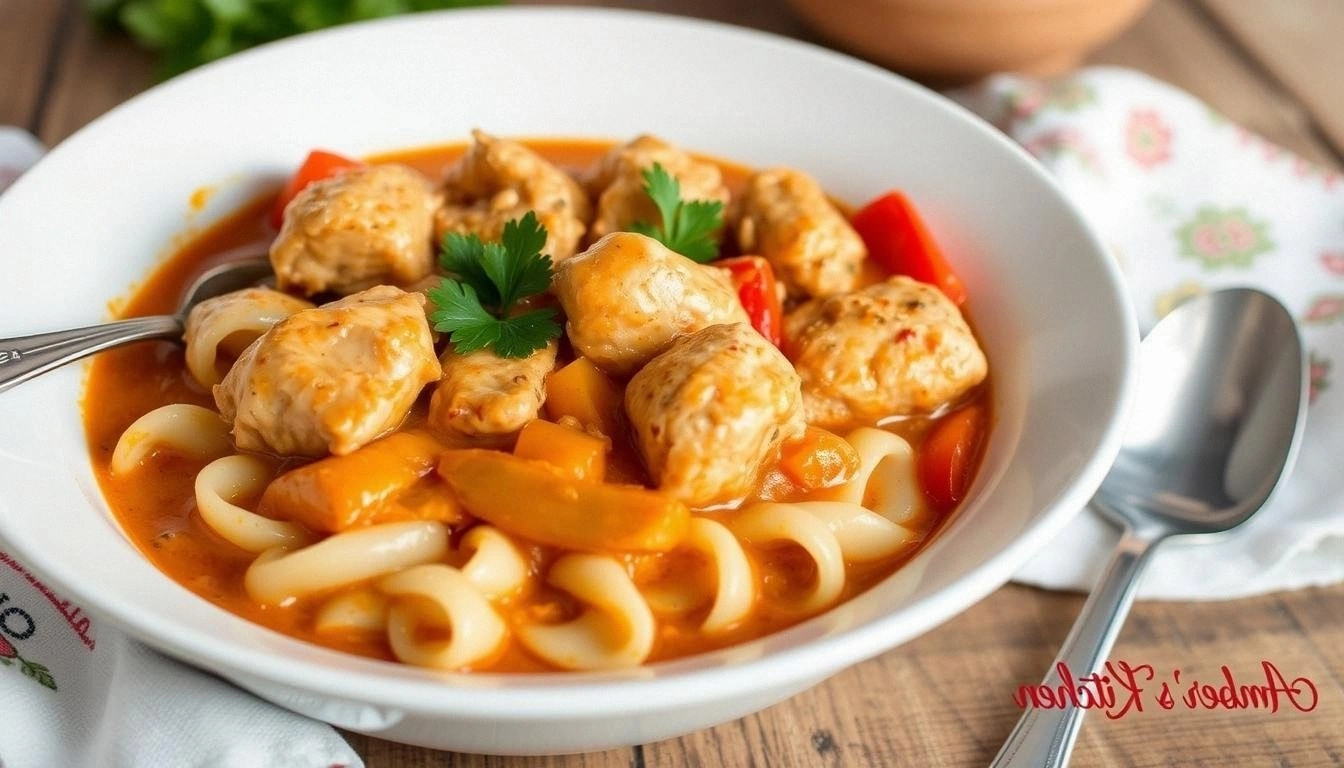
Picture the scene: a pot bubbling with fragrant paprika, the sound of a sizzling onion that’s almost a lullaby, the aroma of fresh chicken stock mingling with a hint of lard that makes your mouth water before you even take a bite. The sauce is thick, velvety, and coats each bite like a buttery blanket, while the chicken remains succulent and the edges of the meat crackle with a golden crisp that shatters like thin ice under your fork. You can almost hear the crackle, feel the heat radiating from the pot, and see the steam curling up like a savory cloud. Every element—sight, sound, aroma, texture, and flavor—melds into one harmonious experience that feels both exotic and entirely familiar.
What makes this version stand out is not just the bold paprika or the tender chicken; it’s the meticulous layering of flavors and the subtle, authentic techniques that elevate the dish from a simple recipe to a culinary statement. I dared myself to taste this and not go back for seconds, and the result was a sauce so rich it could have been the centerpiece of any gourmet spread. If you've ever struggled to get the paprika to taste vibrant, you’re not alone—and I've got the fix. Most recipes get this completely wrong, but here’s what actually works.
I’ll be honest—my first attempt at this dish left me with a pot of burnt paprika and a kitchen that smelled like a campfire. I didn’t know that using lard instead of butter would create that deep, smoky undertone that makes the sauce sing. I also discovered that adding a splash of sour cream at the very end locks in the creamy texture and adds a subtle tang that lifts the entire dish. By the time I finished, the kitchen was filled with the aroma of paprika and roasted chicken, and I was already planning my next cooking session. The best part? You’ll be able to replicate that exact flavor profile at home, no fancy equipment required.
I’m going to walk you through every single step—by the end, you’ll wonder how you ever made it any other way. We’ll start by prepping the ingredients, then move on to the classic technique of sautéing the onion and garlic in lard, followed by browning the chicken. After that, we’ll add the paprika and let it toast to unlock its full flavor. Finally, we’ll finish the sauce with sour cream and a touch of stock, letting the chicken simmer until it’s tender and infused with every nuance of this dish. Ready? Let’s dive in.
What Makes This Version Stand Out
- Authentic Flavor: The use of Hungarian paprika as the star ingredient ensures a deep, smoky sweetness that defines the dish’s character. The paprika is toasted to release its oils before the chicken is added, creating layers of flavor that dance on the palate.
- Texture Contrast: The chicken pieces are bone‑in, skin‑on, giving them a juicy interior and a crisp exterior that shatters like thin ice when you bite into them. The sauce, meanwhile, is silky and coats the meat like velvet, creating a mouth‑watering balance.
- Traditional Technique: Cooking the onion and garlic in lard, rather than butter, adds a subtle, savory depth that modern kitchens often overlook. This step is essential for authenticity and flavor complexity.
- Richness Without Greasiness: The addition of sour cream gives the sauce a luxurious mouthfeel while balancing the richness of lard, preventing the dish from feeling overly greasy.
- Make‑Ahead Friendly: The sauce’s flavors intensify after it rests, making this dish perfect for meal prep or entertaining guests on short notice. The chicken keeps well, and the sauce can be reheated without losing its silky texture.
- Kid‑Friendly: The mild heat of paprika combined with the comforting creaminess makes this dish a hit with both adults and children. The dish is so flavorful that even picky eaters will ask for seconds.
- Versatile Serving Options: While traditionally served with nokedli (Hungarian dumplings), this paprikash pairs beautifully with rice, potatoes, or even a crusty loaf of bread for a satisfying meal.
Inside the Ingredient List
The Flavor Base
Hungarian paprika is the beating heart of this dish. Its smoky sweetness is what makes paprikash instantly recognizable and beloved. Skipping paprika would strip the dish of its signature depth and would leave you with a bland, uninspired stew. When choosing paprika, look for a bright, ruby hue and a slightly oily sheen; that’s a sign of freshness and potency.
The Texture Crew
Bone‑in, skin‑on chicken pieces are essential for both flavor and texture. The skin crisps beautifully, while the bone imparts a subtle richness that’s hard to replicate with boneless cuts. If you’re using thighs instead of breasts, you’ll get an even juicier result, because thighs retain moisture better during slow cooking.
The Unexpected Star
Sour cream is the secret weapon that transforms the sauce into a silky, luxurious coating. The acidity in the sour cream cuts through the richness of lard, creating a balanced, creamy finish that coats the pasta or dumplings like velvet. A full‑fat variety works best because it maintains its texture when heated.
The Final Flourish
Lard is the traditional fat used in Hungarian cooking, and it’s what gives paprikash its deep, savory undertone. If you can’t find lard, a small amount of clarified butter will work, but it won’t give you the same authentic depth. The lard also helps the paprika to bloom in the pan, releasing its full flavor.
Everything’s prepped? Good. Let’s get into the real action.
The Method — Step by Step
- Heat a large, heavy‑bottom pot over medium heat and add 2 tablespoons of lard. Allow the fat to melt completely, then add the diced onion. Sauté until the onion is translucent and beginning to caramelize, about 5 minutes. The aroma will begin to fill your kitchen, signaling that the flavor base is forming. Keep the heat moderate to prevent the onion from burning.
- Add 3 minced garlic cloves to the pot, stirring constantly. Cook for 1 minute until the garlic becomes fragrant but not browned, which could introduce a bitter note. This step is crucial for building a layered aroma that will carry through the dish. Make sure you stir so the garlic doesn’t stick to the bottom.
- Increase the heat to medium‑high and add the chicken pieces skin‑side down. Brown the skin until it turns a deep amber, about 4 minutes per side. This browning process creates a caramelized crust that locks in juices and adds a savory depth that no sauce can replace. Flip the pieces carefully to avoid tearing the skin.
- Sprinkle 3 tablespoons of Hungarian paprika over the chicken and stir immediately to prevent burning. Let the paprika toast for 1-2 minutes; you’ll hear a subtle crackle and see the oil in the pan coat the paprika. This step releases the paprika’s full flavor profile, turning it from a spice into a sauce‑making powerhouse. Be quick—overcooking the paprika will result in a bitter taste.
- Pour in 2 cups of low‑sodium chicken stock, just enough to come halfway up the sides of the chicken. Bring the mixture to a gentle simmer, then cover and reduce the heat to low. Let the chicken cook for 25 minutes, allowing the flavors to meld and the meat to become tender. Check occasionally to ensure the liquid hasn’t evaporated completely; add a splash of water if needed.
- In a separate small bowl, whisk 1 cup of full‑fat sour cream with 1 tablespoon of cold water. This creates a smooth, lump‑free mixture that will be added to the pot at the end. The water helps temper the sour cream, preventing it from curdling when introduced to the hot sauce.
- Remove the pot from heat and stir in the sour cream mixture gently. The sauce should thicken and become silky, coating the chicken beautifully. Keep the heat low—this is the moment of truth where the sauce can either become a velvety blanket or a watery mess.
- Taste the sauce and season with salt and pepper to your liking. The paprika already provides a subtle heat, so add a pinch of salt and a dash of pepper. If you prefer a slightly tangier profile, a splash of white wine vinegar can add a bright contrast. Let the flavors settle for a minute before serving.
That’s it—you did it. But hold on, I’ve got a few more tricks that’ll take this to another level. These insider tips will help you perfect the sauce, avoid common pitfalls, and elevate your paprikash to a dish worthy of a Michelin star—or at least your own dinner table.
Insider Tricks for Flawless Results
The Temperature Rule Nobody Follows
Maintaining a low simmer throughout the cooking process is essential. High heat will cause the sauce to reduce too quickly, concentrating the paprika’s bitterness. I’ve found that a gentle, steady simmer keeps the flavors balanced and the chicken tender. If you notice the liquid evaporating too fast, add a small splash of water to keep the pot from drying out.
Why Your Nose Knows Best
Your sense of smell is a powerful cue for flavor balance. As the paprika toasts, you’ll smell a nutty, smoky aroma that signals the spices are ready. If the aroma feels flat, let it toast a bit longer. Trust your nose—it knows when the flavor is just right.
The 5‑Minute Rest That Changes Everything
After you add the sour cream, let the dish rest for five minutes before serving. This brief pause allows the sauce to thicken and the flavors to marry. It also prevents the sour cream from separating when you lift the pot off the heat. I’ve seen this trick turn a good dish into an unforgettable one.
Use a Heavy‑Bottom Pot for Even Heat
A heavy‑bottom pot distributes heat evenly, preventing hot spots that can burn the paprika or cause the sauce to stick. If you’re using a non‑stick pan, consider adding a layer of metal to help distribute the heat. This simple change can drastically improve the overall texture of the dish.
The Right Amount of Lard
Two tablespoons of lard are enough to impart the authentic flavor without overwhelming the dish. If you’re watching calories, you can reduce the amount slightly, but the dish will lose some of its depth. For a richer flavor, add an extra tablespoon, but be mindful of the added fat.
Serve Immediately for Best Texture
Chicken paprikash is best served hot, right out of the pot. The sauce is thick but pourable; if it cools, it may thicken too much. If you’re preparing in advance, keep the sauce warm in a low oven or on a warm plate until you’re ready to serve.
Creative Twists and Variations
This recipe is a playground. Here are some of my favorite ways to switch things up:
Smoky Chipotle Paprikash
Swap a teaspoon of smoked paprika for a tablespoon of chipotle powder to add a smoky heat that pairs beautifully with the creamy sauce. The chipotle also brings a subtle sweetness, balancing the dish’s richness. This version is perfect for those who love a little kick.
Vegetarian Mushroom Paprikash
Replace the chicken with a mix of sautéed shiitake and cremini mushrooms. The mushrooms absorb the paprika’s flavor and provide a meaty texture. This variation is great for vegetarians or for a lighter dinner.
Coconut‑Cream Paprikash
Use coconut milk instead of sour cream for a tropical twist. The coconut adds a subtle sweetness that contrasts the paprika’s heat, creating a complex flavor profile. Serve over jasmine rice for a truly exotic meal.
Pork Tenderloin Paprikash
Swap the chicken for sliced pork tenderloin for a richer, leaner protein. The pork pairs wonderfully with the paprika and sour cream, creating a dish that’s both comforting and indulgent. This version is perfect for a weekend dinner party.
Paprikash with Polenta
Serve the sauce over creamy polenta instead of dumplings or rice. The polenta’s smooth texture complements the sauce’s thickness, creating a comforting, heart‑warming dish. It’s a great option for a cozy winter night.
Paprikash with Roasted Root Vegetables
Add roasted carrots, parsnips, and sweet potatoes to the pot in the last 10 minutes of simmering. The natural sweetness of the root vegetables balances the paprika’s heat, adding depth and color. This variation turns the dish into a one‑pot meal.
Storing and Bringing It Back to Life
Fridge Storage
Store the paprikash in an airtight container in the refrigerator for up to 3 days. The sauce’s richness helps preserve the chicken, preventing it from drying out. When reheating, add a splash of water or stock to keep the sauce silky.
Freezer Friendly
For longer storage, freeze the dish in portions for up to 3 months. Be sure to cool the sauce completely before sealing. When thawing, do so in the refrigerator overnight, then reheat gently on the stove with a splash of water.
Best Reheating Method
Reheat the sauce on low heat, stirring frequently to prevent scorching. Add a tiny splash of water or stock to restore the sauce’s original consistency. Keep the heat low to avoid breaking the sour cream, which could cause the sauce to separate.