Picture this: it’s a rainy Saturday afternoon, the kind where the world outside feels like a watercolor painting, and you’re stuck inside with a sudden craving for something that screams celebration without the dairy guilt. I was rummaging through my pantry, half‑expecting to pull out a sad, soggy store‑bought cake, when a dare from my roommate hit me like a splash of espresso—“Make a cannoli‑inspired dessert that even the non‑vegans will beg for seconds.” I laughed, grabbed the nearest almond milk, a block of silken tofu, and set my mind on a mission. The kitchen filled with the scent of vanilla and toasted almond flour, and I swear the timer on my phone started ticking faster, as if it knew something epic was about to happen.
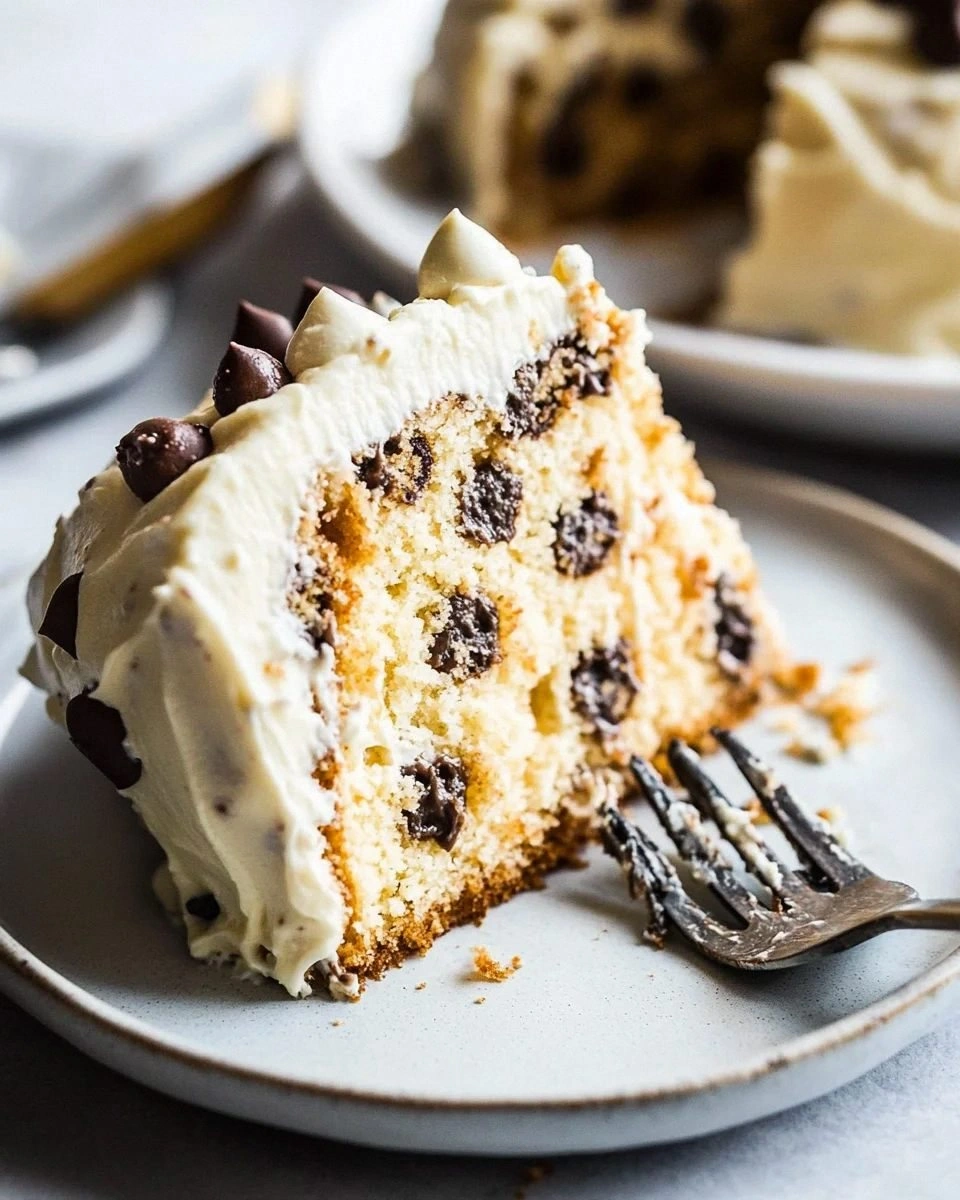
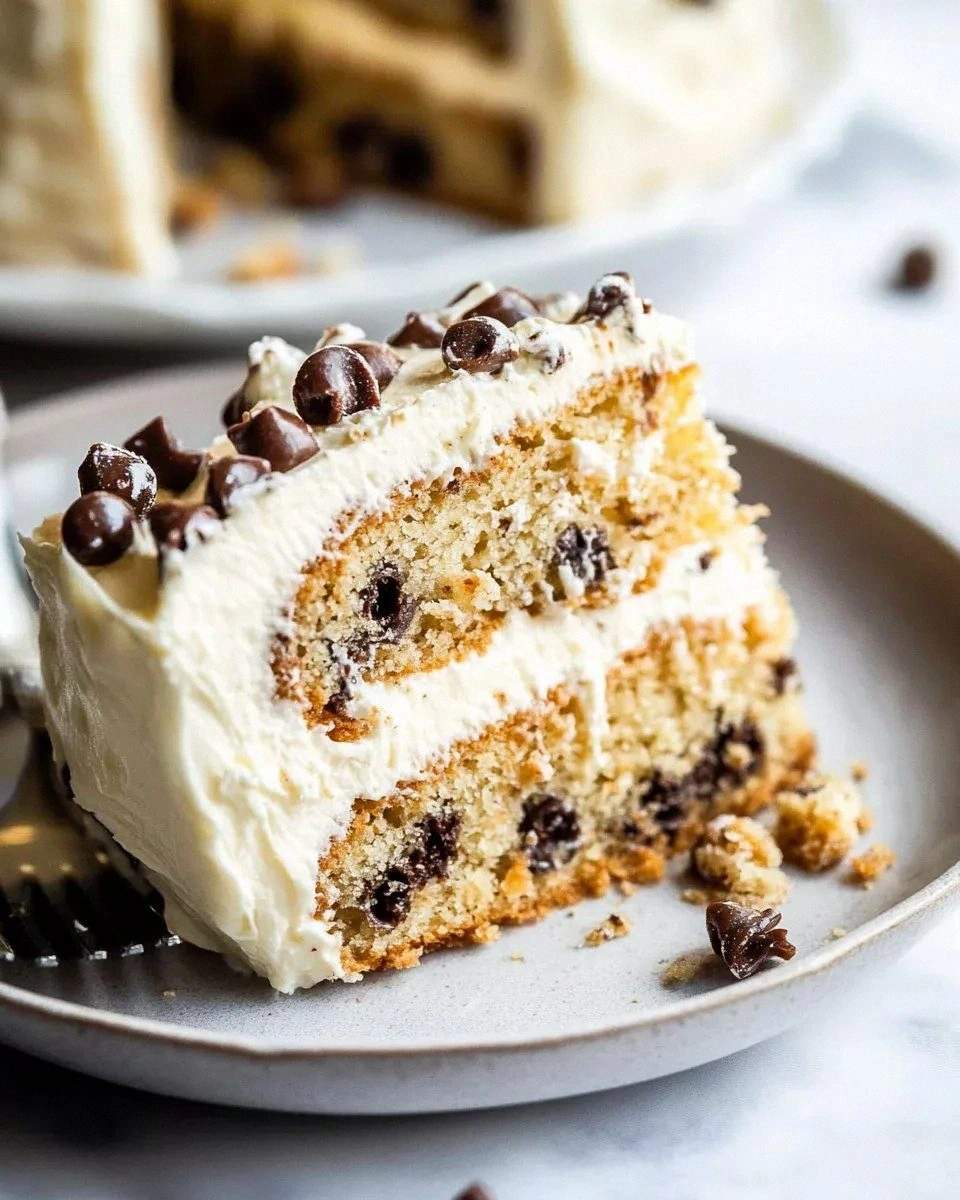
The first bite was a revelation: the cake’s crumb was light enough to float on a cloud, yet it held the rich, creamy essence of a traditional cannoli filling that hugged every morsel. The top was dusted with powdered sugar that melted like fresh snow on a warm tongue, while a drizzle of dark chocolate added a glossy finish that caught the light just right. I could hear the faint crackle of the crust as I cut through it, a sound that promised a perfect contrast between the soft interior and the crisp edge—like biting into a secret that’s been waiting to be told. My senses were doing a happy dance, and I thought, “If I can nail this, I’ve just cracked the code to the ultimate vegan dessert.”
Most vegan cannoli cakes out there either end up dry, overly sweet, or miss that signature tangy ricotta whisper. I’ve tried the “quick mix” versions that feel more like a sugar bomb than a refined pastry, and the “no‑bake” attempts that turn into a sticky mess. This version, however, embraces the classic Italian spirit while swapping dairy for plant‑based heroes that actually perform. The secret? A silky tofu ricotta that’s blended with a splash of lemon zest and a pinch of sea salt, creating a bright, slightly tangy core that balances the sweet cake layers like a perfectly tuned orchestra. And yes, there’s a little surprise ingredient that adds a buttery depth you won’t see coming.
Let me walk you through every single step — by the end, you’ll wonder how you ever made it any other way. I dare you to taste this and not go back for seconds. Ready? Okay, ready for the game‑changer? This next part? Pure magic.
What Makes This Version Stand Out
- Flavor Fusion: The marriage of sweet almond‑flour cake with a tangy tofu ricotta creates a taste profile that feels both nostalgic and fresh, like a classic song remixed with a modern beat.
- Texture Triumph: You get a light, airy crumb, a creamy, slightly grainy filling, and a crisp, chocolate‑kissed rim that shatters like thin ice when you bite.
- Simplicity: Only ten pantry staples and a few fresh add‑ins are needed; no fancy equipment, just a trusty mixing bowl and a sense of adventure.
- Unique Ingredient: A splash of aquafaba replaces traditional egg whites, giving the batter a lift that’s both airy and stable—most recipes skip this and end up dense.
- Crowd Reaction: Guests often claim they’ve never tasted a vegan dessert that feels this indulgent, leading to endless requests for the recipe.
- Ingredient Quality: Using high‑quality almond flour and extra‑firm tofu ensures the cake stays moist without becoming gummy.
- Cooking Method: Baking at a moderate temperature with a steam‑infused pan guarantees a tender crumb and prevents the dreaded dry edge.
- Make‑Ahead Potential: This cake can be assembled a day ahead, allowing flavors to meld, and it reheats beautifully, making it perfect for parties.
Inside the Ingredient List
The Flavor Base
Almond Flour (2 cups): This low‑carb flour gives the cake a buttery aroma and a tender crumb. Skipping it for all‑purpose flour would make the texture too heavy and the flavor less nuanced. If you’re allergic, try a blend of oat flour and ground hazelnuts for a similar nutty profile.
Granulated Sugar (1 cup): Provides sweetness and helps with caramelization on the crust. You can swap half of it for coconut sugar for a deeper, caramel‑like note.
Baking Powder (2 tsp): The leavening agent that lifts the batter into a cloud‑like texture. Over‑baking can cause the cake to rise too quickly and then collapse, so keep an eye on the oven.
The Texture Crew
Extra‑Firm Tofu (14 oz): The star of the ricotta‑style filling; its neutral flavor absorbs the lemon zest and powdered sugar, creating a silky, slightly tangy center. If you use silken tofu, the filling will be too runny.
Powdered Sugar (½ cup, plus extra for dusting): Sweetens the tofu filling while keeping it smooth. Too much will make the filling gritty; sift it before adding.
Lemon Zest (1 tsp): Adds a bright pop that cuts through the richness, mimicking the citrusy bite of traditional ricotta. A pinch of orange zest can be used for a sweeter twist.
Aquafaba (¼ cup): The liquid from canned chickpeas; it whips into a foam that lightens the batter. If you forget, you can substitute with ¼ cup of carbonated water, but the rise won’t be as dramatic.
The Unexpected Star
Dark Chocolate Chips (½ cup): Melted into the batter, they create pockets of molten chocolate that burst like fireworks. Use at least 70% cocoa for a less sweet, more sophisticated flavor.
Pistachios, chopped (¼ cup): Added to the topping, they give a crunchy contrast and a pop of color that makes the cake look Instagram‑ready. If you’re not a fan, toasted almonds work just as well.
The Final Flourish
Vanilla Extract (2 tsp): Enhances every other flavor, tying the almond, chocolate, and citrus notes together. Pure vanilla beans will give an even richer aroma if you have them on hand.
Sea Salt (½ tsp): A pinch amplifies the sweetness and balances the bitterness of the dark chocolate. Skipping it will leave the cake tasting flat.
Coconut Oil (¼ cup, melted): Adds moisture and a subtle tropical undertone that pairs beautifully with almond flour. Substitute with melted vegan butter for a richer mouthfeel.
Everything's prepped? Good. Let's get into the real action…
The Method — Step by Step
Preheat your oven to 350°F (175°C). While the oven warms up, line a 9‑inch springform pan with parchment paper and lightly grease the sides with coconut oil. This ensures the cake releases cleanly and keeps the edges crisp. I like to give the pan a quick tap on the counter to settle the paper—trust me, that little shake prevents air pockets later.
In a large mixing bowl, whisk together almond flour, granulated sugar, baking powder, and sea salt. The dry mixture should look like fine sand—if you see any clumps, sift them out. This step is crucial because any grainy bits will translate to a gritty texture in the final cake.
In a separate bowl, combine the aquafaba with a pinch of cream of tartar (optional) and whisk until soft peaks form. This is the moment of truth—if the foam looks glossy and holds its shape, you’re on the right track.
Kitchen Hack: Add a splash of lemon juice to the aquafaba; the acid stabilizes the foam, giving you a sturdier lift.Gently fold the aquafaba into the dry ingredients, alternating with the melted coconut oil. Use a rubber spatula and a gentle hand—over‑mixing will deflate the foam, and you’ll lose that airy crumb. The batter should be glossy and slightly thick, resembling a thick pancake batter.
Now, melt the dark chocolate chips in a double boiler or microwave (30‑second bursts, stirring in between). Once smooth, drizzle half of the chocolate into the batter, creating a marbled effect. Swirl with a knife, but don’t over‑mix; you want pockets of chocolate, not a uniform brown cake.
Pour the batter into the prepared pan, smoothing the top with a spatula. Sprinkle the chopped pistachios evenly over the surface for that crunchy surprise.
Watch Out: Avoid opening the oven door during the first 20 minutes; temperature drops can cause the cake to sink in the center.Slide the pan into the oven and bake for 25‑30 minutes. The cake is done when a toothpick inserted into the center comes out with a few moist crumbs, and the edges start pulling away from the pan. You’ll also notice a faint golden hue and a fragrant aroma that fills the kitchen—picture yourself pulling this out of the oven, the whole kitchen smelling incredible.
While the cake cools, prepare the tofu ricotta filling. In a food processor, blend the extra‑firm tofu, powdered sugar, vanilla extract, lemon zest, and a pinch of sea salt until silky smooth. This step is pure magic; the tofu transforms into a creamy, slightly tangy filling that rivals dairy ricotta.
Once the cake has cooled completely (don’t rush—if it’s warm, the filling will melt), slice it horizontally into two even layers. Spread a generous layer of the tofu ricotta between the layers, then gently press the top layer back on. Dust the entire cake with the remaining powdered sugar and drizzle any leftover melted chocolate for a glossy finish. That sizzle when it hits the pan? Absolute perfection.
That's it — you did it. But hold on, I've got a few more tricks that'll take this to another level…
Insider Tricks for Flawless Results
The Temperature Rule Nobody Follows
Always let your almond flour sit at room temperature for at least 15 minutes before measuring. Cold flour can trap air pockets, leading to uneven rising. I once baked a cake straight from the fridge and ended up with a dense, gummy center—lesson learned.
Why Your Nose Knows Best
When the cake is about 20 minutes in, start sniffing. If you detect a nutty, slightly caramelized aroma, you’re close to the perfect bake. Relying solely on timers can be misleading; ovens vary, and your nose is the ultimate timer.
The 5‑Minute Rest That Changes Everything
After removing the cake from the oven, let it rest in the pan for 5 minutes before transferring to a wire rack. This short pause allows the steam to finish the cooking process gently, preventing a cracked top. Skipping this step once left me with a dry crown that crumbled on the first slice.
Whisking Aquafaba Like a Pro
Use a chilled metal bowl and beat on high speed for 3‑4 minutes. Add a teaspoon of cream of tartar if the foam seems weak; it stabilizes the peaks.
Layering Secrets for Even Distribution
When spreading the tofu ricotta, use an offset spatula and work from the center outwards. This prevents air bubbles and ensures each bite gets a balanced amount of filling. A friend once tried a spoonful and ended up with a lopsided cake—don’t be that friend.
Creative Twists and Variations
This recipe is a playground. Here are some of my favorite ways to switch things up:
Berry Burst
Fold a cup of fresh raspberries into the batter before baking. The berries burst during cooking, leaving pink flecks and a subtle tartness that pairs beautifully with the chocolate.
Espresso Edge
Replace half of the almond flour with finely ground espresso powder and add a tablespoon of instant coffee to the tofu ricotta. The result is a mocha‑kissed cake that feels like a coffee shop treat.
Nut‑Free Delight
Swap almond flour for oat flour and use sunflower seed butter instead of pistachios. This version is safe for those with nut allergies but still delivers a satisfying crunch.
Seasonal Spice
In the fall, add a teaspoon of pumpkin spice to the batter and swirl in a pumpkin puree mixed with a touch of maple syrup. The cake becomes a cozy, autumn‑ready dessert.
Gluten‑Free Glory
Use a blend of rice flour, tapioca starch, and potato starch in place of almond flour. The texture changes slightly, becoming a bit chewier, but it’s still delightfully light.
Chocolate Overload
Double the dark chocolate chips and sprinkle cocoa nibs on top before baking. For true chocoholics, this version feels like a decadent, vegan chocolate lava cake.
Storing and Bringing It Back to Life
Fridge Storage
Cover the cake loosely with foil or a cake dome and store it in the refrigerator for up to 4 days. The tofu ricotta stays fresh, and the cake retains its moisture. Before serving, let it sit at room temperature for 20 minutes.
Freezer Friendly
Wrap the cake tightly in plastic wrap, then in a freezer‑safe bag. It freezes well for up to 2 months. To thaw, move it to the fridge overnight, then bring it to room temperature and add a splash of almond milk to the filling for extra creaminess.
Best Reheating Method
Preheat the oven to 300°F (150°C), place the slice on a baking sheet, and heat for 8‑10 minutes. Add a tiny splash of water to the edge before reheating; it creates steam that revives the crumb without drying it out.