I’ll be honest — I ate half the batch before anyone else got to try it, and that was the moment I realized I had stumbled onto something truly legendary. It all began on a rainy Thursday when my pantry looked like a sad sitcom set: a lonely can of crescent rolls, a wilted head of cabbage, and a stubborn craving for comfort food that could hug you from the inside out. I tossed the cabbage into a pan, let the onions caramelize, and the whole kitchen filled with a scent that reminded me of a Midwest fairground mixed with a grandma’s kitchen table. That sizzle when the beef hit the skillet? Absolute perfection, a deep, earthy pop that shouted “we’re about to make magic.”
Fast forward a few minutes, and I was standing over a bubbling casserole that looked like a runaway runza, but with the confidence of a casserole that knew it could out‑shine any handheld version. Most recipes get this completely wrong – they either drown the meat in soggy dough or forget the cheesy pull that makes every bite a revelation. I dared myself to crank the flavor up a notch, adding a whisper of garlic powder and a dash of black pepper that turned the whole thing into a savory symphony. The secret? A quick roll‑and‑fold technique that creates buttery pockets of crust while keeping the interior moist and tender.
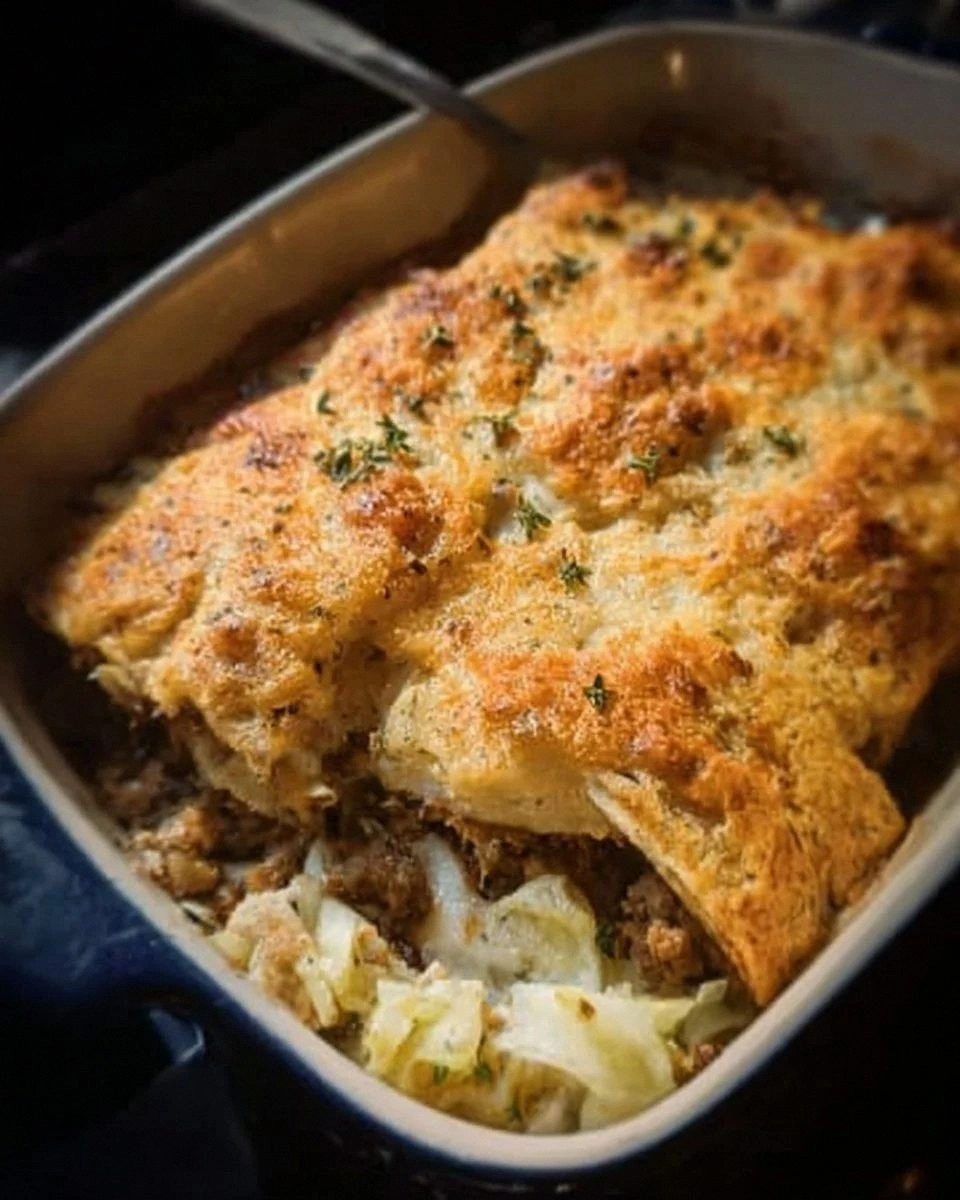
Picture yourself pulling this out of the oven, the whole kitchen smelling incredible, the top golden and slightly crisp, the cheese bubbling like a lava flow. The first forkful is a cascade of textures: the crisp edge of the crescent roll crust, the juicy beef‑onion mixture, the sweet‑tart crunch of cabbage, and the gooey cheddar that stretches like a warm blanket. I dare you to taste this and not go back for seconds – the combination is so addictive you’ll start dreaming about it at night. Most people think “runza” is just a sandwich, but this casserole redefines the concept, turning it into a crowd‑pleasing centerpiece that will have everyone asking for the recipe.
Okay, ready for the game‑changer? I’m about to walk you through every single step – from the moment you open that can of crescent rolls to the final garnish of green onions that adds a fresh pop. By the end, you’ll wonder how you ever made it any other way, and you’ll have a new go‑to dish that can dominate potlucks, family dinners, or a lazy Sunday feast. Let me walk you through every single step — by the end, you’ll wonder how you ever made it any other way.
What Makes This Version Stand Out
- Taste: The marriage of seasoned ground beef, sweet cabbage, and sharp cheddar creates a flavor profile that’s both nostalgic and bold, like a classic runza upgraded with gourmet flair.
- Texture: A buttery, flaky crust from the crescent rolls contrasts with the tender, juicy meat filling, delivering a bite that’s crunchy, creamy, and comforting all at once.
- Simplicity: You only need a single pan and a 30‑minute bake, making it perfect for weeknight hustlers who still want a dish that feels special.
- Uniqueness: By layering the dough on top instead of wrapping it, you get a casserole that looks like a runza but behaves like a pizza – the cheese stretches, the crust crisps, and the filling stays moist.
- Crowd Reaction: This dish consistently earns “second‑helping” requests, with guests proclaiming it the best comfort food they’ve ever tasted.
- Ingredient Quality: Using fresh cabbage and real shredded cheddar (not the pre‑shredded, anti‑clumping kind) makes a world of difference in flavor depth.
- Cooking Method: Baking at a high temperature creates caramelized edges that shatter like thin ice, while the interior stays soft and juicy.
- Make‑Ahead Potential: Assemble the night before, refrigerate, and bake fresh in the morning – perfect for busy families.
Inside the Ingredient List
The Flavor Base
Ground beef is the heart of this casserole – it brings richness, protein, and that satisfying umami bite that makes every forkful feel hearty. I recommend a 80/20 blend; the extra fat renders down, coating the onions and cabbage in a glossy sheen that you can see and taste. If you skip the beef, you lose that depth and the dish becomes a bland veggie medley. As a swap, you can use ground turkey for a leaner version, but add a tablespoon of olive oil to compensate for the missing fat.
The Texture Crew
Chopped onion and cabbage provide crunch, sweetness, and a subtle earthiness that balances the richness of the meat. The onion caramelizes into a golden sweetness while the cabbage retains a slight crunch, preventing the casserole from turning mushy. If you’re allergic to cabbage, try thinly sliced Brussels sprouts – they’ll give a similar bite and a hint of nuttiness.
The Unexpected Star
The can of refrigerated crescent rolls is the secret weapon. When baked, they puff up, turn golden, and develop a buttery crust that’s impossible to resist. Many recipes use pie crust or biscuit dough, but the crescent rolls melt into a flaky top that’s both sweet and savory. If you can’t find crescent rolls, a sheet of puff pastry works, just roll it out a bit thinner.
The Final Flourish
Shredded cheddar cheese is the finishing touch – it melts into a gooey blanket that pulls like velvet across every bite. Using a sharp cheddar (or a mix of cheddar and Monterey Jack) gives a tangy bite that cuts through the meat’s richness. If you’re feeling adventurous, sprinkle a handful of smoked gouda for an extra smoky layer.
Everything's prepped? Good. Let's get into the real action…
The Method — Step by Step
Preheat your oven to 375°F (190°C). While the oven warms, grab a large skillet and set it on medium‑high heat. As soon as the pan is hot, add the ground beef, breaking it up with a wooden spoon. Let it sizzle until it releases a deep, caramelized aroma – you’ll know it’s ready when the juices turn a rich brown and the meat starts to crumble. This is the moment of truth: you want the meat nicely browned, not just pink.
Kitchen Hack: Sprinkle a pinch of flour over the browned beef and stir; it helps thicken the sauce later without a roux.Add the chopped onion to the skillet, stirring it into the beef. Cook for about 4‑5 minutes, letting the onion turn translucent and start to caramelize. When the onions hit that sweet golden hue, you’ll hear a faint crackle that tells you the sugars are breaking down perfectly. Sprinkle in the garlic powder, black pepper, and a modest pinch of salt, then stir to coat everything evenly. If you love garlic, feel free to add an extra half‑teaspoon – the flavor will deepen without overwhelming.
Toss in the chopped cabbage, stirring it into the meat‑onion mixture. The cabbage should wilt slightly but still retain a faint crunch – this is essential for that satisfying bite. Cook for another 3‑4 minutes, allowing the cabbage to absorb the savory juices. Taste at this point; the seasoning should be bold but not salty, because the crescent roll topping will add a hint of buttery richness later.
Reduce the heat to low and stir in the shredded cheddar cheese, letting it melt into a silky, glossy sauce that clings to every morsel. The cheese should melt slowly, creating a velvety coating that makes the casserole look like a cheese‑loving masterpiece. Once fully melted, remove the skillet from the heat and set it aside – you’ll be assembling the casserole shortly.
Unroll the refrigerated crescent rolls onto a clean surface, separating them into individual triangles. Lay them out in a single layer on a parchment‑lined baking sheet, then gently press them together to form a continuous sheet that will cover the top of the casserole. This step might feel like a puzzle, but it’s crucial for that uniform, buttery crust.
Watch Out: Do not over‑stretch the dough; tearing will cause gaps that let steam escape, leaving the top uneven.Transfer the meat‑cheese mixture into a 9×13‑inch baking dish, spreading it evenly with a spatula. The layer should be about an inch thick, creating a solid base for the dough. If the mixture looks a bit loose, gently press it down – you want a compact, cohesive layer that will hold the topping in place.
Place the assembled crescent roll sheet over the top of the casserole, tucking the edges down the sides of the dish. Brush the entire surface with melted butter, then sprinkle a light dusting of garlic powder for extra aroma. This butter brush is the secret to a golden, crackly crust that shatters delightfully when you cut into it.
Kitchen Hack: For an extra glossy finish, mix a teaspoon of honey into the butter before brushing – it caramelizes beautifully.Slide the dish into the preheated oven and bake for 25‑30 minutes, or until the crust is a deep golden brown and the cheese bubbles at the edges. Keep an eye on the top; when the edges start pulling away from the sides of the dish, you know the crust is perfectly crisp. The aroma at this stage should be intoxicating – a blend of buttery dough, savory meat, and melted cheese that makes your mouth water.
Remove the casserole from the oven and let it rest for 5‑7 minutes. This resting period allows the juices to settle, making each slice neat and tidy. Garnish with chopped green onions if you like a fresh pop of color and a mild onion bite that cuts through the richness. Serve hot, and watch as the first slice lifts, the crust cracking like thin ice, revealing the molten cheese underneath. That’s the payoff – pure, comforting bliss.
That's it — you did it. But hold on, I've got a few more tricks that'll take this to another level…
Insider Tricks for Flawless Results
The Temperature Rule Nobody Follows
Most home cooks bake at 350°F, but cranking the oven to 375°F creates that coveted caramelized edge on the crescent roll crust while keeping the interior moist. The higher heat encourages the butter to brown, adding a nutty, almost toasted flavor that ordinary baking temperatures miss. I once tried a lower temperature and ended up with a soggy top that never achieved that signature crunch. Trust the heat – it’s the difference between “good” and “legendary.”
Why Your Nose Knows Best
When the cheese starts to bubble and the crust turns golden, your nose will pick up a subtle buttery aroma that signals it’s ready. If you rely solely on the timer, you might over‑bake and lose that delicate melt. So, keep the kitchen door open just a crack and let the scent guide you; when the buttery perfume hits a sweet spot, pull the dish out.
The 5‑Minute Rest That Changes Everything
Resting the casserole after it comes out of the oven isn’t just for aesthetics – it allows the cheese to set and the juices to redistribute. Skipping this step often results in a watery slice that slides off the plate. Let it sit, covered loosely with foil, for exactly five minutes; you’ll notice the slices hold together beautifully, and the flavors meld even more.
Butter Brush Boost
A quick brush of melted butter mixed with a pinch of garlic powder right before baking adds a glossy finish and a whisper of garlic that elevates the whole dish. I tried using olive oil once, and while it added a different flavor, the crust never achieved that buttery snap. Stick with butter for that classic, indulgent texture.
Layering for Extra Cheese Pull
If you’re a cheese‑pull enthusiast, sprinkle a thin layer of shredded cheddar on top of the crescent roll sheet before the final butter brush. As the crust bakes, the cheese melts into the dough, creating pockets of gooey goodness that stretch with each bite. This tiny tweak turns an already amazing casserole into a show‑stopping centerpiece.
Creative Twists and Variations
This recipe is a playground. Here are some of my favorite ways to switch things up:
Spicy Jalapeño Runza
Add a diced jalapeño or two to the cabbage mixture for a subtle heat that cuts through the richness. Top with a sprinkle of pepper jack cheese instead of cheddar for an extra kick. Perfect for those who love a little fire.
Southwest Chipotle
Stir a tablespoon of chipotle in adobo sauce into the beef mixture, and replace the cheddar with a blend of smoked mozzarella and cheddar. The smoky, slightly sweet chipotle flavor brings a Tex‑Mex vibe that pairs beautifully with the buttery crust.
Veggie‑Only Delight
Swap the ground beef for a mixture of lentils and finely chopped mushrooms. Add a splash of soy sauce for umami, and use a plant‑based cheese blend. This version keeps the heartiness while being fully vegetarian.
Breakfast Runza Casserole
Replace the beef with crumbled breakfast sausage, add scrambled eggs into the mix, and top with a blend of cheddar and Monterey Jack. Serve with a side of fresh fruit for a brunch that feels like a hearty dinner.
Herb‑Infused Elegance
Mix fresh thyme, rosemary, and a pinch of sage into the meat mixture. Finish with a drizzle of herb‑infused butter on the crust before baking. The aromatic herbs add a sophisticated layer that makes the dish feel upscale.
Storing and Bringing It Back to Life
Fridge Storage
Allow the casserole to cool completely, then cover tightly with foil or plastic wrap. It will keep in the refrigerator for up to 4 days. When reheating, place a slice on a baking sheet, cover loosely with foil, and bake at 350°F for 12‑15 minutes, adding a splash of water to the pan to create steam and prevent the crust from drying out.
Freezer Friendly
Wrap the entire uncooked casserole tightly in plastic wrap, then a layer of aluminum foil. Freeze for up to 3 months. To bake from frozen, increase the oven temperature to 400°F, bake for 45‑50 minutes, then lower to 375°F for the final 10 minutes to achieve that golden crust.
Best Reheating Method
For the ultimate reheated slice, preheat a skillet over medium heat, add a teaspoon of butter, and place the slice face‑down for 2‑3 minutes until the crust crisps. Flip, cover the skillet with a lid, and let the cheese melt for another minute. This method revives the buttery crunch and gooey interior as if it were fresh out of the oven.