I was halfway through a midnight binge‑watch of a cooking show, when my phone buzzed with a text from a friend: “You’ve got to try this new chicken pasty recipe I found.” The next thing I knew, I was rummaging through my pantry, my fridge humming, and a sudden urge to create something that would make my taste buds do a happy dance. I didn’t have time to search for the perfect recipe, so I dove headfirst into a kitchen experiment that would become a culinary revelation.
Picture this: a golden, flaky pastry shell that crackles as you break it open, revealing a steaming, savory filling where tender chicken mingles with courgettes that have turned into sweet, jam‑like ribbons. The aroma of garlic and fresh thyme drifts through the kitchen, while the sound of sizzling butter sends a shiver down my spine. Every bite feels like a comforting hug, with the richness of olive oil and the brightness of herbs lifting the flavors to new heights. I swear, that first bite was a revelation—your mouth will remember it forever.
What makes this version stand out? It’s the combination of a simple, ready‑rolled short‑crust pastry with a filling that turns ordinary courgettes into a sweet, caramelized treat. The chicken is marinated in a quick blend of olive oil, garlic, and herbs, which infuses every bite with depth. The pastry stays crisp, the filling stays moist, and the optional cheese adds a gooey, golden finish that everyone loves. It’s a dish that feels like a gourmet creation but can be whipped up in under an hour.
I dare you to taste this and not go back for seconds. That’s the bold claim I’m making. If you’ve ever struggled with pasty recipes that end up soggy or bland, you’re not alone—and I’ve got the fix. Most recipes get this completely wrong by using too much liquid or overcooking the pastry. Here’s what actually works: a quick sear, a splash of olive oil, and a short‑crust that’s pre‑baked just enough to keep its structure.
Picture yourself pulling these pasties out of the oven, the whole kitchen smelling incredible, the steam curling around the buttery crust. The moment the timer dings, you know the filling is perfectly caramelized and the pastry is golden. And that’s just the beginning. Let me walk you through every single step — by the end, you'll wonder how you ever made it any other way.
What Makes This Version Stand Out
- Taste: The filling is a harmonious blend of savory chicken and sweet courgettes, balanced by fresh herbs and a hint of garlic. This contrast creates a flavor profile that’s both comforting and exciting, turning a simple pasty into a memorable dish.
- Texture: The short‑crust pastry remains flaky and crisp, while the filling stays moist and jam‑like. The result is a delightful contrast that keeps each bite interesting.
- Simplicity: Ready‑rolled pastry cuts prep time, and the filling uses pantry staples. You can have a gourmet meal on the table in less than an hour.
- Uniqueness: Courgettes are rarely used in pasties. Turning them into a sweet, caramelized component gives this recipe a signature twist that sets it apart.
- Crowd Reaction: Friends rave about the combination of sweet and savory, and the dish is a hit at potlucks, brunches, and family dinners.
- Ingredient Quality: Fresh, high‑quality chicken and herbs elevate the dish, while the short‑crust pastry adds a buttery finish that can’t be beat.
- Cooking Method: A quick sear locks in juices, and a brief oven bake ensures the pastry stays crisp without becoming soggy.
- Make‑ahead Potential: The filling can be prepared a day ahead, and the pastry can be assembled and frozen for later use.
Alright, let’s break down exactly what goes into this masterpiece…
Inside the Ingredient List
The Flavor Base
Chicken breast or thighs are the star of the show, providing a juicy, tender protein that forms the foundation of the filling. Choosing boneless, skinless pieces ensures a clean, consistent texture, while thighs add a richer flavor if you prefer a slightly fattier bite. If you skip the chicken, the pasties become a vegetable dish, which is still tasty but loses that hearty depth.
Onion and garlic are the aromatics that build depth. They’re the backbone of any savory filling, and in this recipe, they caramelize slightly to add subtle sweetness. If you’re allergic to garlic, a pinch of garlic powder works, but the fresh flavor will be noticeably different.
Fresh herbs—thyme or parsley—add a bright, garden‑fresh brightness that lifts the dish. They’re added at the end of the cooking process to preserve their delicate flavor. If you’re out of herbs, a teaspoon of dried thyme will suffice, though the aroma will be less vibrant.
The Texture Crew
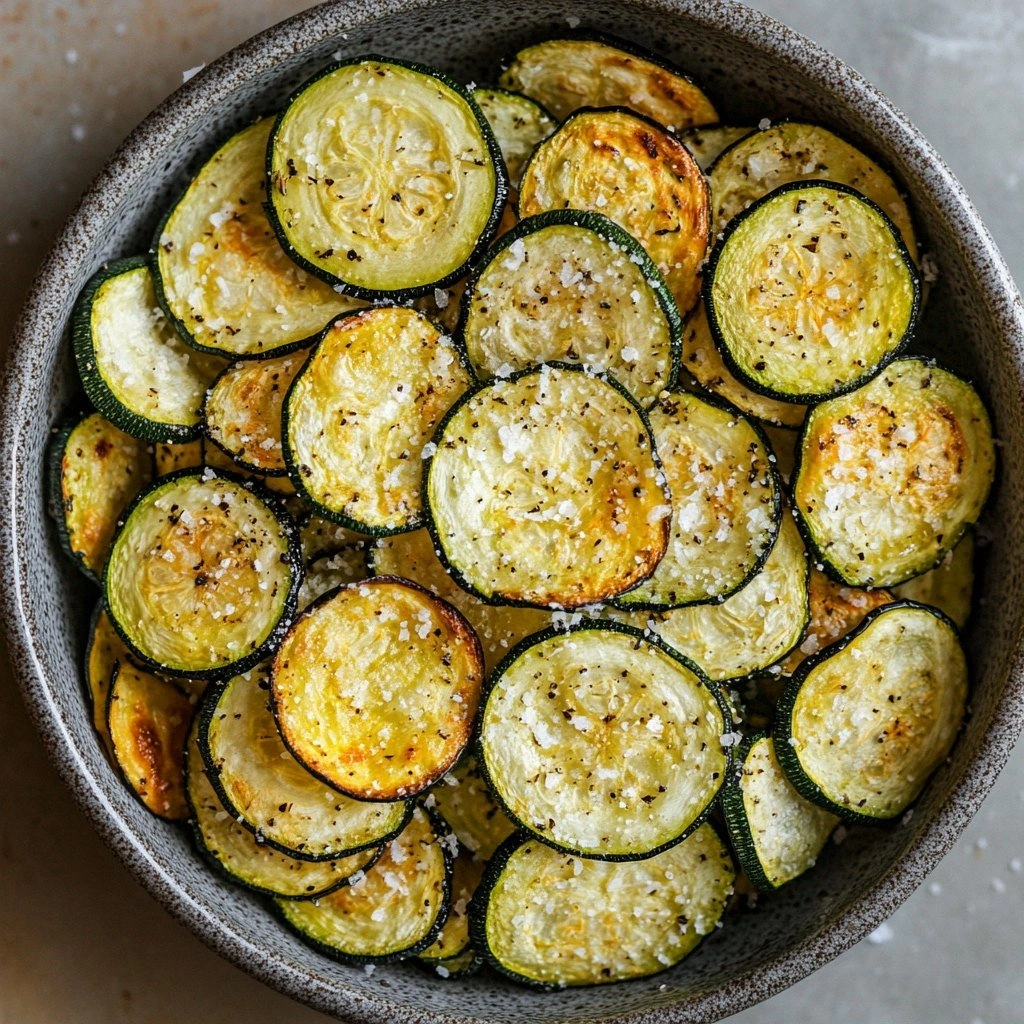
Courgettes (zucchini) are the unexpected star, turning from bland to sweet when cooked low and slow. They release natural sugars, creating a jam‑like consistency that pairs wonderfully with the savory chicken. If you skip the courgettes, you’ll miss that sweet, caramelized texture that gives the filling its signature bite.
Butter or olive oil is essential for sautéing, keeping the filling moist and rich. Butter adds a buttery depth, while olive oil gives a subtle fruity note. If you prefer a dairy‑free version, use a high‑smoke‑point oil like grapeseed or avocado.
Optional cheese—such as cheddar or Gruyère—adds an indulgent, gooey layer that melts over the filling. It’s not mandatory, but it creates a golden finish that’s hard to resist. If you’re lactose intolerant, a plant‑based cheese works nicely.
The Unexpected Star
Ready‑rolled short‑crust pastry is the secret to a flaky, buttery shell without the fuss of homemade dough. It’s pre‑baked just enough to hold the filling without becoming soggy. If you prefer a homemade crust, you can use a simple butter‑flour dough, though the texture will be slightly different.
The Final Flourish
Salt and pepper bring everything together, balancing the sweetness of the courgettes and the richness of the chicken. A pinch of pepper adds a subtle heat that cuts through the richness. If you’re watching sodium, you can reduce the salt to taste, but the overall flavor will still be robust.
Everything’s prepped? Good. Let’s get into the real action…
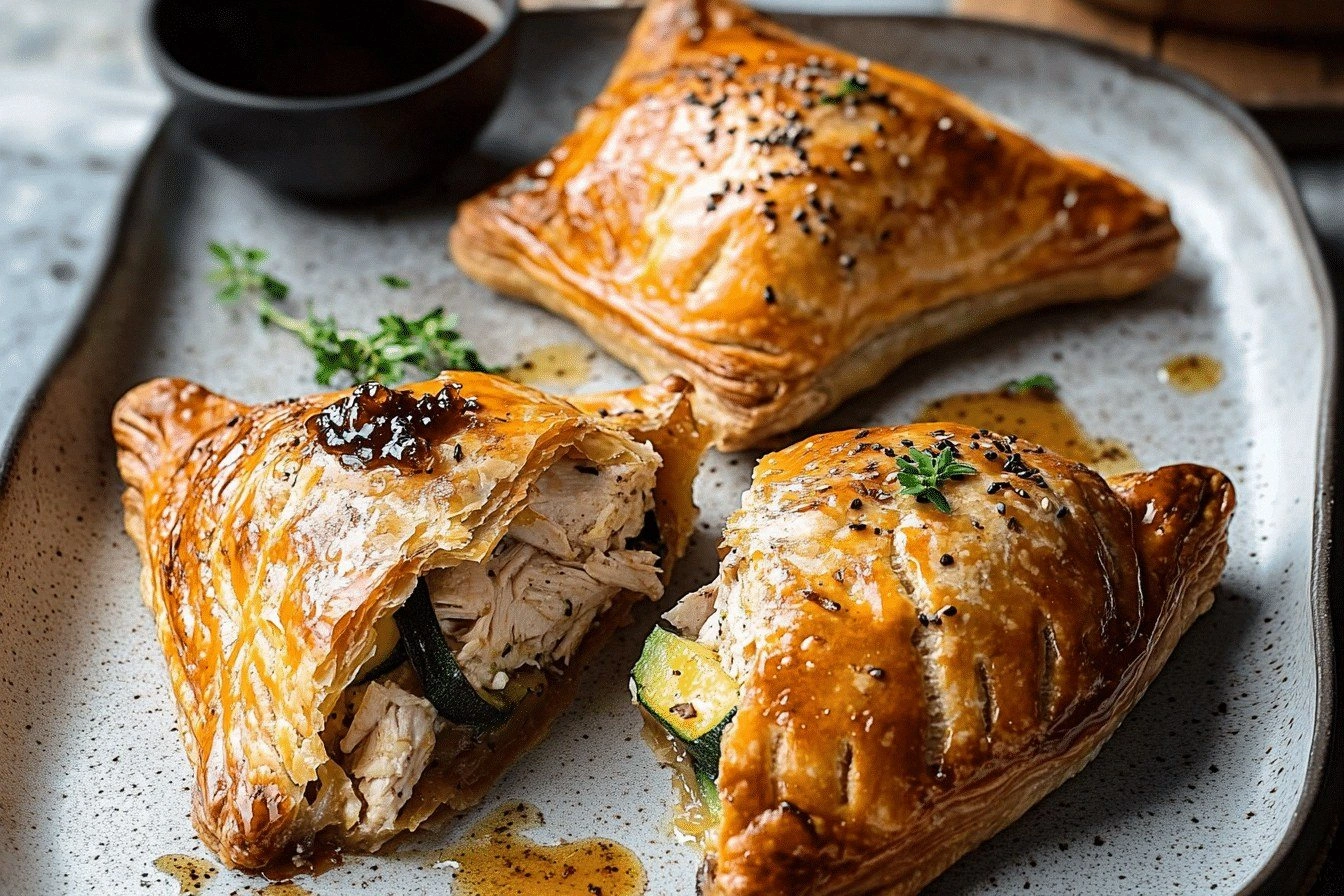
The Method — Step by Step
- Before you start, preheat your oven to 200 °C (400 °F). Line a baking sheet with parchment paper or a silicone mat to keep the pasties from sticking. This step ensures a consistent bake and a crisp crust. Remember, the oven temperature is critical—too hot, and the pastry will burn; too cool, and it will stay doughy.
- Dice the chicken into bite‑sized cubes, about 1 cm each, and season them lightly with salt and pepper. A quick sear will lock in juices and create a savory crust. Heat a large skillet over medium‑high heat, add a tablespoon of olive oil, and let the chicken brown on all sides. The sizzle is your cue that the flavor is developing.
- Add the chopped onion and minced garlic to the pan, sautéing until the onion is translucent and the garlic is fragrant. Stir constantly to avoid burning; garlic can go from golden to bitter in seconds. This aromatics base will carry the rest of the flavors forward.
- Slice the courgettes into thin half‑moon shapes using a mandoline or a sharp knife. The thin slices allow them to caramelize quickly, turning sweet and jam‑like. Toss them into the skillet with the chicken, onion, and garlic, and stir to combine. Let the mixture cook for 5–7 minutes, stirring occasionally, until the courgettes soften and start to brown.
- Add the fresh herbs, a splash of olive oil, and a pinch of salt and pepper. Stir until everything is well coated and the mixture is fragrant. This is the moment of truth—if it smells toasty and the colors are vibrant, you’re on the right track. The herbs should release their aroma, creating a bright, fresh finish.
- If you’re using cheese, sprinkle it over the filling and stir until it melts into a silky, golden coating. The cheese adds a creamy layer that balances the savory and sweet notes. If you’re avoiding dairy, you can leave the cheese out or use a vegan alternative.
- Let the filling cool slightly—about 5 minutes—so it doesn’t melt the pastry when you assemble the pasties. While it cools, roll out the ready‑rolled short‑crust pastry on a lightly floured surface to a thickness of about 3 mm. Cut the dough into circles using a biscuit cutter or a glass, about 10 cm in diameter.
- Place a spoonful of filling onto the center of each pastry circle, leaving a small border. Fold the dough over the filling to form a half‑moon shape, then press the edges together with a fork to seal. This ensures no filling escapes during baking and creates a decorative pattern.
- Arrange the assembled pasties on the prepared baking sheet, spacing them slightly apart. Brush the tops with a beaten egg or a splash of milk for a glossy finish. Bake in the preheated oven for 20–25 minutes, or until the pastry is golden brown and the edges are crisp. The timer will ding when the pasties are ready to be devoured.
- Remove the pasties from the oven and let them rest for 5 minutes on a cooling rack. This resting period allows the filling to set slightly, preventing it from sliding out when you bite. Serve hot, and watch the steam curl around the buttery crust as you cut into it.
That’s it — you did it. But hold on, I've got a few more tricks that'll take this to another level…
Insider Tricks for Flawless Results
The Temperature Rule Nobody Follows
Many cooks think the oven temperature doesn’t matter, but it’s the secret to a crisp pastry. Bake at 200 °C (400 °F) for the first 15 minutes, then lower to 180 °C (350 °F) for the last 5 minutes. This two‑stage bake keeps the pastry golden without burning the filling.
Why Your Nose Knows Best
Trust your nose to tell you when the filling is ready. A sweet, caramelized aroma indicates the courgettes have released their sugars, while a savory scent signals the chicken is perfectly seared. If you’re unsure, give it a quick sniff—your senses are your best guide.
The 5-Minute Rest That Changes Everything
After baking, let the pasties rest on a rack for 5 minutes. This short pause lets the filling set, reducing the chance of it spilling out when you take a bite. It also allows the pastry to finish crisping in the residual heat.
The Quick Sear Trick
If you’re in a hurry, skip the sear and toss the chicken directly into the sautéed onions and garlic. The result will still be tasty, though the depth of flavor will be slightly reduced. For a richer taste, keep the sear—it’s a small step that pays off big.
The Cheese Layer Hack
Adding cheese on top before baking creates a golden crust that’s irresistible. Sprinkle a thin layer of grated cheese over the filling, then bake. The cheese melts into a silky coating, adding both flavor and visual appeal.
Creative Twists and Variations
This recipe is a playground. Here are some of my favorite ways to switch things up:
Spicy Jalapeño Kick
Add finely chopped jalapeños to the filling for a fiery punch. The heat pairs beautifully with the sweet courgettes and savory chicken, creating a dynamic flavor profile that’s sure to excite.
Smoky Chipotle Flavor
Replace the fresh herbs with smoked paprika and a pinch of chipotle powder. The smoky undertone adds depth, turning the pasties into a comfort food with a bold twist.
Mediterranean Twist
Swap the parsley for oregano and add a handful of kalamata olives. The briny olives contrast the sweet courgettes, while oregano gives a Mediterranean flair that’s both aromatic and delicious.
Vegan Version
Use a plant‑based chicken substitute or chickpeas for protein, and a dairy‑free cheese alternative. The pastry remains the same, but the filling becomes a hearty, plant‑powered option.
Cheesy Macaroni Swap
Replace the courgettes with cooked macaroni and a splash of milk. The result is a comforting, cheesy pasty reminiscent of mac and cheese, perfect for a cozy evening.
Herb‑Infused Short Crust
Add dried rosemary or thyme to the pastry dough before rolling. The herbs infuse the crust with aromatic flavor, giving each bite a fragrant, herbal note that complements the filling.
Storing and Bringing It Back to Life
Fridge Storage
Cool the pasties completely, then place them in an airtight container. Store in the refrigerator for up to 3 days. When ready to eat, reheat in a preheated oven at 180 °C (350 °F) for 10 minutes, or until warmed through.
Freezer Friendly
Wrap each pasty individually in parchment paper, then place them in a freezer bag. They’ll keep for up to 2 months. To reheat, thaw at room temperature for 30 minutes, then bake at 200 °C (400 °F) for 15 minutes.
Best Reheating Method
The secret to a fresh‑baked feel is to reheat in a hot oven, not a microwave. If you must use a microwave, wrap the pasty in a damp paper towel and heat for 30 seconds, but the crust will lose some crispness.