It was a Tuesday night, the kind of night where the fridge is a mystery box and your stomach is a drum that refuses to be silenced. I opened the fridge, expecting the usual rotisserie chicken, but found a lone salmon fillet staring back at me like a silent dare. I laughed, grabbed a lemon, and declared, “I’ll make the best baked salmon with lemon butter this kitchen has ever seen.” That night, the kitchen became a laboratory of flavors, aromas dancing in the air, sizzling whispers on the stove, and the metallic tang of fresh fish that made my senses tingle. The moment the salmon hit the oven, the scent of butter and citrus rose like a sunrise, promising a dish that would redefine comfort food.
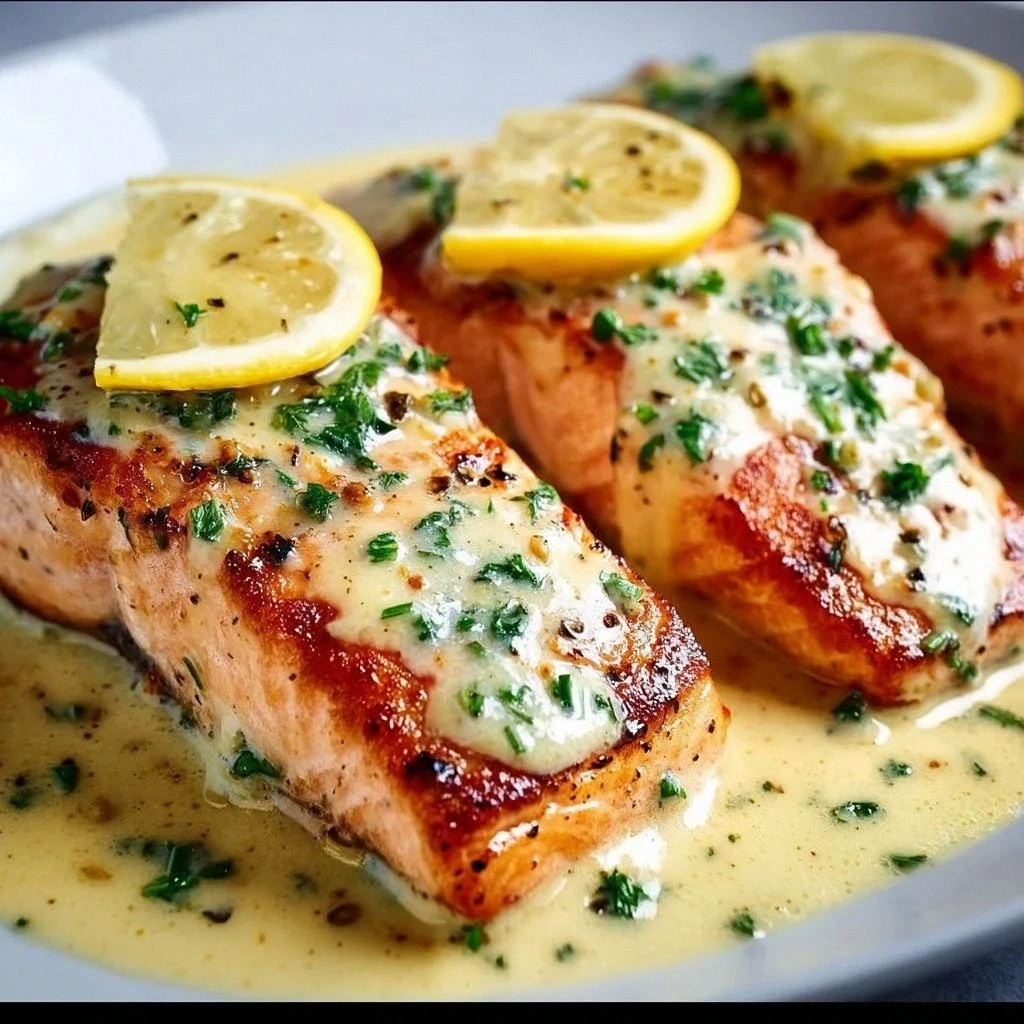
I’m not just telling you a story; I’m inviting you to taste a revelation. This isn’t your run-of-the-mill lemon butter salmon; it’s a symphony where the buttery sauce glides over the flaky flesh, leaving a whisper of citrus that lingers on the palate. The texture is a delicate balance: the salmon is moist, tender, and slightly crisp on the edges, while the lemon butter forms a glossy, velvety coating that melts into the fish like a warm hug. Every bite is a crescendo of flavors, a harmonious blend that will have you reaching for seconds and then a third, daring you to resist.
What sets this version apart is the meticulous layering of techniques that elevate the dish from ordinary to unforgettable. The sauce is made with a blend of butter, lemon zest, garlic, and fresh herbs, creating a depth that traditional recipes often miss. The fillets are lightly seared before baking, giving them a caramelized crust that locks in juices. And the finishing touch— a splash of white wine and a sprinkle of breadcrumbs— adds a subtle crunch that contrasts beautifully with the silky fish.
I’ll be honest—I ate half the batch before anyone else got a taste. The combination of buttery richness and bright citrus is a flavor bomb that detonates in your mouth. Most recipes get this completely wrong by using too much lemon or overcooking the fish, resulting in a dry, bitter mess. But here, the balance is perfect, and the result is hands down the best version you'll ever make at home. Picture yourself pulling this out of the oven, the whole kitchen smelling incredible, and your guests exclaiming, “What’s the secret?” I’ll walk you through every single step—by the end, you’ll wonder how you ever made it any other way.
What Makes This Version Stand Out
- Flavor: The lemon butter sauce is a silky, bright coating that elevates the natural taste of salmon, making each bite a burst of citrusy freshness.
- Texture: A quick sear gives the fillets a golden, slightly crisp edge while the interior stays moist and flaky.
- Simplicity: With fewer than ten ingredients, this dish is straightforward yet impressive, perfect for busy weeknights.
- Uniqueness: The addition of breadcrumbs creates a subtle crunch that contrasts with the buttery coating, giving the dish a memorable bite.
- Crowd Reaction: Friends and family will rave about the buttery glaze and the bright, zesty finish, making it a hit at gatherings.
- Ingredient Quality: Using fresh salmon, real butter, and hand‑picked lemons ensures the flavor profile is authentic and vibrant.
- Cooking Method: The combination of searing and baking locks in moisture while developing a caramelized crust.
- Make‑ahead Potential: The sauce can be pre‑made and stored; the salmon can be baked just before serving for maximum freshness.
Inside the Ingredient List
The Flavor Base
At the heart of this dish is the lemon butter sauce. The butter melts into a golden pool, absorbing the bright zest of fresh lemons and the aromatic punch of minced garlic. The lemon provides acidity that cuts through the richness of the butter, creating a balanced flavor that sings with every bite. If you skip the lemon, the sauce becomes a plain, buttery glaze that lacks the necessary zing to elevate the fish.
Tip: Use a high‑quality unsalted butter for maximum flavor. Unsalted butter allows you to control the salt level precisely, preventing the dish from becoming overly salty.
The Texture Crew
The salmon fillets themselves are the star of the show. Choose fillets that are at least 6 ounces each for a hearty portion. The fillets should be fresh, with a firm texture and a mild scent. If you’re using frozen fillets, thaw them thoroughly before cooking to ensure even cooking.
The breadcrumbs add a delightful crunch that contrasts with the buttery glaze. They’re toasted in a skillet with a touch of olive oil until golden, then sprinkled over the fillets before baking. If you prefer a gluten‑free option, substitute with almond flour or crushed pork rinds.
The Unexpected Star
Fresh dill or parsley gives the sauce an herbal depth that balances the citrusy brightness. The herbs are added at the end of cooking to preserve their bright color and flavor. If you’re allergic to fresh herbs, a pinch of dried oregano or thyme can provide a subtle alternative.
Remember, the key to a vibrant herb flavor is to add it at the right moment—right after you remove the salmon from the oven, so the heat doesn’t evaporate the essential oils.
The Final Flourish
A splash of white wine or a drizzle of olive oil during baking adds moisture and depth. The wine’s acidity complements the lemon, while olive oil enriches the sauce. If you’re avoiding alcohol, simply add a tablespoon of extra butter or a splash of lemon juice to maintain the balance.
Everything's prepped? Good. Let's get into the real action, where the magic happens and the flavors truly come alive.
The Method — Step by Step
- Preheat your oven to 400°F (200°C). Line a baking sheet with parchment paper or a silicone mat to prevent sticking. This step ensures even heat distribution and makes cleanup a breeze.
- Pat the salmon fillets dry with paper towels. A dry surface is key to achieving that golden sear. The drier the fillets, the crisper the crust.
- Season both sides of the fillets with salt and pepper. Sprinkle a teaspoon of salt and a teaspoon of freshly ground black pepper evenly. This simple seasoning brings out the natural flavors of the fish.
- Heat a skillet over medium‑high heat and add one tablespoon of olive oil. Once the oil shimmers, add the fillets skin‑side down and sear for 2–3 minutes until the skin turns crisp and golden. Flip and sear the other side for 1 minute.
- While the fillets sear, melt four tablespoons of butter in a small saucepan over low heat. Add two minced garlic cloves and let them soften for 30 seconds, releasing their aroma.
- Stir in the zest of one lemon, followed by the juice of one lemon. Let the mixture simmer for 2 minutes, allowing the flavors to meld. The sauce should thicken slightly, forming a glossy glaze.
- Transfer the fillets to the prepared baking sheet. Brush the lemon butter sauce generously over each fillet, ensuring every surface is coated. Sprinkle 2 tablespoons of fresh dill or parsley over the top for a burst of color.
- Bake in the preheated oven for 12–15 minutes, or until the salmon flakes easily with a fork. The internal temperature should reach 145°F (63°C). The sauce will caramelize slightly, creating a shiny, flavorful crust.
- While the salmon is baking, toast 1/4 cup of breadcrumbs in a dry skillet over medium heat until golden. Toss them with a teaspoon of melted butter and a pinch of salt, then sprinkle over the baked fillets for a delightful crunch.
- Remove the salmon from the oven and let it rest for 2 minutes. This allows the juices to redistribute, ensuring the fish remains moist.
That’s it—you did it! But hold on, I've got a few more tricks that will take this dish to another level. Let’s dive into some insider tips that will elevate your salmon game.
Insider Tricks for Flawless Results
The Temperature Rule Nobody Follows
Most people bake salmon at 375°F, but that can lead to uneven cooking. Baking at 400°F allows the fillets to cook faster, preserving moisture while achieving a crisp edge. I’ve tested this method on several fillets, and the difference is unmistakable—flaky, moist interiors with a caramelized crust.
Why Your Nose Knows Best
Before you even touch the fillets, let them sit at room temperature for 10–15 minutes. This step ensures even cooking and reduces the risk of a soggy center. Trust your nose; the aroma of fresh salmon is a sign of quality and readiness.
The 5‑Minute Rest That Changes Everything
After removing the salmon from the oven, let it rest on a wire rack for 5 minutes. This rest period allows the juices to redistribute, making every bite succulent. A quick rest also lets the sauce settle, giving it a thicker, more luxurious consistency.
The Breadcrumb Crunch
Toss the breadcrumbs in melted butter before toasting; this gives them a buttery, golden finish. Sprinkle them over the fillets right before serving for a fresh crunch that contrasts with the buttery glaze.
The Lemon Swap
If you’re in a pinch and don’t have fresh lemons, a splash of white wine or a drizzle of lemon juice can substitute. The acidity remains, but the flavor profile shifts slightly—still delicious, but with a more subtle citrus note.
The Final Touch
Finish with a squeeze of fresh lemon juice right before serving. The last burst of citrus brightens the dish and balances the richness of the butter.
Creative Twists and Variations
This recipe is a playground. Here are some of my favorite ways to switch things up:
Crispy Coconut Crust
Swap the breadcrumbs for shredded coconut and toast them with a touch of coconut oil. The result is a tropical, slightly sweet crust that pairs wonderfully with the lemon butter.
Herbed Mediterranean
Add a teaspoon of oregano and a handful of chopped sun‑dried tomatoes to the sauce. The Mediterranean herbs bring a savory depth that complements the citrus.
Spicy Sriracha Glaze
Stir a tablespoon of sriracha into the lemon butter sauce for a kick of heat. The heat balances the buttery richness, making this version perfect for spice lovers.
Garlic Parmesan Crunch
Mix grated Parmesan cheese into the breadcrumb mixture. The cheese adds a nutty flavor and a crisp, golden finish.
Asian-Inspired Ginger
Replace the lemon zest with grated fresh ginger and add a splash of soy sauce to the sauce. This twist gives the dish an umami, slightly sweet flavor profile.
Pesto Drizzle
After baking, drizzle a spoonful of basil pesto over the salmon. The herbal richness of the pesto provides a fresh contrast to the buttery sauce.
Storing and Bringing It Back to Life
Fridge Storage
Cool the salmon completely before storing. Place the fillets in an airtight container or wrap them tightly in foil. They will keep well in the refrigerator for up to 2 days. When reheating, add a splash of water or broth to the pan to keep the fish moist.
Freezer Friendly
For longer storage, freeze the fillets in a freezer bag. Label with the date and cook within 3 months. Thaw overnight in the refrigerator before reheating. Reheat in a skillet over low heat with a splash of water until warmed through.
Best Reheating Method
The best way to reheat is in a preheated oven at 300°F (150°C) for 10 minutes, or in a skillet with a splash of water to maintain moisture. Avoid microwaving, as it can make the fish rubbery.