Picture this: a rainy Sunday afternoon, the kitchen lights flicker, and the smell of burnt toast lingers in the air. I was about to toss my half‑finished breakfast into the trash when my roommate, eyes wide, whispered, “Dude, you need a new comfort food.” I stared at the empty fridge, then at the pantry, and decided to summon the ultimate baked bean experience—ground beef, a splash of mystery, and a dash of confidence. The moment the skillet sizzled, I knew this would be a game‑changer. That sizzle when it hits the pan? Absolute perfection.
I’m not going to lie—my first attempt at baked beans was a disaster. The beans were mushy, the beef was dry, and the sauce felt like a watered‑down ketchup cocktail. I stared at the mess, feeling like a culinary failure, when suddenly a memory of my grandma’s Sunday pot came flooding back: beans simmering slowly, beef browning to caramelized gold, and a sauce thick enough to coat a spoon like velvet. I vowed to recreate that, but with a twist that would make even the most skeptical palates shout, “I dare you to taste this and not go back for seconds.”
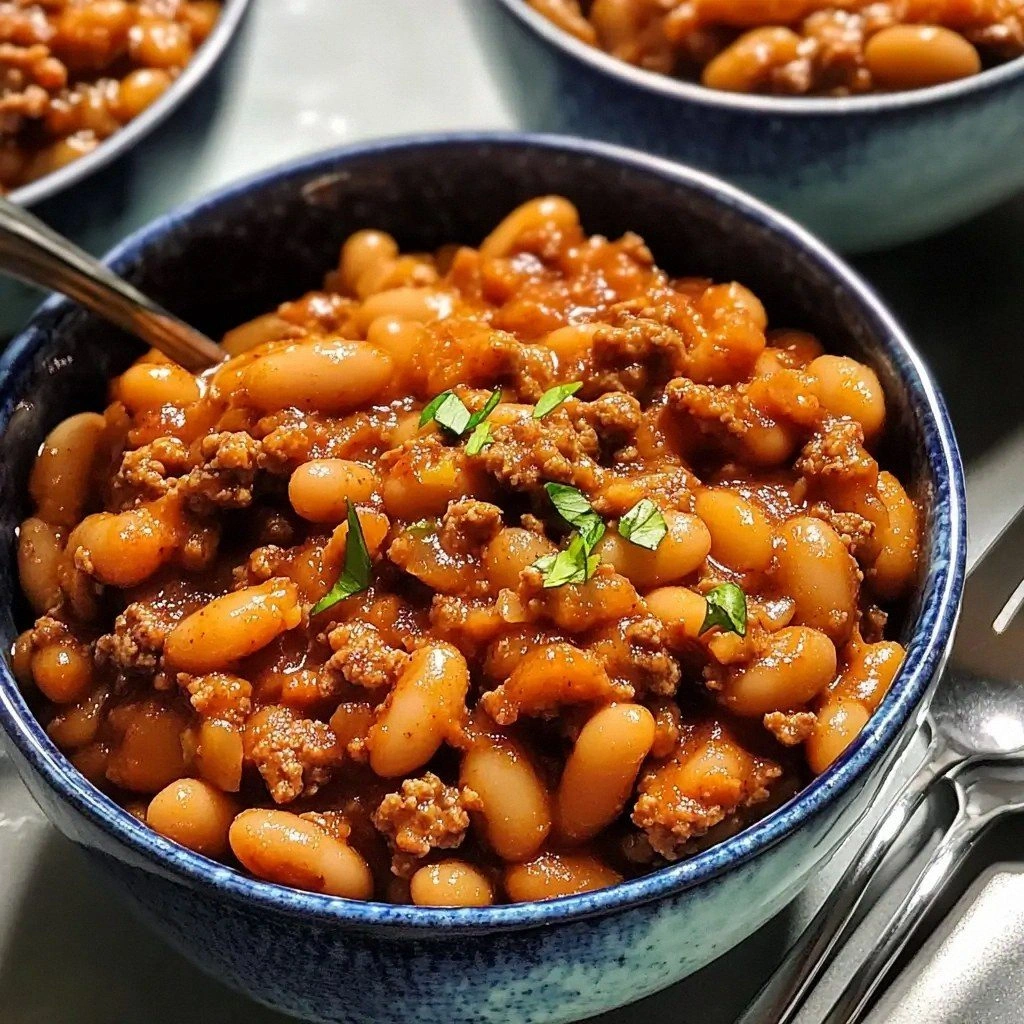
The secret sauce to this recipe is simple yet powerful: a blend of savory, sweet, and smoky flavors that marry the humble bean with the robust bite of ground beef. The beans become a canvas, absorbing the caramelized beef, the tang of mustard, the richness of brown sugar, and the depth of Worcestershire sauce. The result? A dish that feels like a hug in a bowl, with a glossy glaze that glistens like a polished trophy. Most recipes get this completely wrong—here’s what actually works: slow, low‑heat simmering and a careful balance of sweet and umami. Picture yourself pulling this out of the oven, the whole kitchen smelling incredible, and your guests’ mouths watering in anticipation.
If you’ve ever struggled with baked beans, you’re not alone—and I’ve got the fix. I’ll be honest— I ate half the batch before anyone else got to try it. The texture was so silky that each spoonful felt like a secret. This version stands out because it takes the classic comfort dish and elevates it with a gourmet twist, yet remains approachable for anyone in the kitchen. Let me walk you through every single step—by the end, you’ll wonder how you ever made it any other way.
What Makes This Version Stand Out
- Flavor Depth: The combination of brown sugar, mustard, and Worcestershire sauce creates a complex profile that dances on the tongue, far beyond the simple ketchup base most recipes use.
- Texture Perfection: Slow simmering allows the beans to absorb the beef juices, resulting in a silky consistency that clings to the spoon.
- Visual Appeal: The glossy glaze and caramelized edges of the beef create a dish that looks as good as it tastes.
- Ease of Prep: All ingredients are pantry staples, and the method requires minimal hands‑on time after the initial browning.
- Make‑Ahead Friendly: This dish tastes even better the next day, making it a perfect batch‑cook for busy weeks.
- Versatile: It works as a main for dinner, a hearty side, or even a filling for sandwiches.
- Kid‑Friendly: The sweet‑savory balance makes it a hit with the little ones who might otherwise shy away from beans.
- Health‑Conscious: By using lean beef and controlling the sugar content, you get a dish that satisfies without guilt.
Alright, let’s break down exactly what goes into this masterpiece…
Inside the Ingredient List
The Flavor Base
At the heart of this dish lies a symphony of sauces and seasonings. Ketchup provides a sweet tomato foundation, while mustard adds a subtle bite that cuts through the richness of the beef. Worcestershire sauce brings umami depth, and brown sugar balances the acidity with caramelized sweetness. Together, they form a glaze that coats the beans like velvet and turns the dish into a comforting masterpiece.
The Texture Crew
Beans are the unsung heroes of this recipe. Navy beans, chosen for their creamy interior, swell during the long simmer, absorbing flavors and creating a thick, luscious consistency. Ground beef, on the other hand, contributes protein and a meaty texture that contrasts beautifully with the beans. Together, they form a harmonious blend that satisfies both the palate and the soul.
The Unexpected Star
Tomato paste is the unsung star that adds body and depth. When it’s caramelized with onions and garlic, it turns into a rich, slightly smoky sauce that locks in moisture. If you skip it, the dish will feel thin and under‑seasoned. A quick sauté of the paste before adding liquids brings out its natural sweetness and helps the sauce thicken.
The Final Flourish
Olive oil and butter are the final touches that elevate the dish to gourmet status. The oil helps the beef brown evenly, while the butter adds a silky finish and a subtle nutty flavor. A splash of beef broth or water during the simmer ensures the sauce remains silky and prevents sticking. These small but mighty ingredients tie everything together into a cohesive, mouth‑watering experience.
Everything’s prepped? Good. Let’s get into the real action…
The Method — Step by Step
- Heat a large cast‑iron skillet over medium‑high heat. Add a splash of olive oil and let it shimmer. Toss in the diced onion and sauté until translucent, about 4 minutes. This step releases the onion’s natural sugars, setting the stage for a sweet‑savory base. Keep the heat steady; we’re building layers, not a caramel fire.
- Add the minced garlic to the skillet and cook for 30 seconds, just until fragrant. Garlic’s quick burst of flavor will mingle with the onions, creating a fragrant aroma that signals the dish is on the right track. Don’t let it burn— it can turn bitter and ruin the balance.
- Introduce the ground beef, breaking it up with a wooden spoon. Cook until it’s no longer pink, about 8 minutes. This browning step locks in juices and gives the dish a robust meatiness. If you notice excess fat, drain it off; we want lean, flavorful beef, not a greasy mess.
- Stir in the tomato paste, letting it toast for 2 minutes. This caramelization deepens the sauce’s flavor profile, adding a subtle smoky undertone. Once the paste has darkened, it’ll blend seamlessly with the beef and onions, creating a cohesive base.
- Pour in the ketchup, brown sugar, mustard, Worcestershire sauce, and beef broth. Stir until the mixture is smooth and the sugars have dissolved. The sauce should thicken slightly, coating the back of a spoon. This is the moment of truth—if the sauce looks too watery, give it a few minutes to reduce.
- Add the cooked navy beans to the skillet, folding them gently into the sauce. The beans absorb the flavors, becoming silky and glossy. Reduce the heat to low, cover, and let it simmer for 25 minutes, stirring occasionally. The slow simmer allows the beans to soften further and the flavors to meld.
- In the last 5 minutes, sprinkle in the butter and let it melt into the sauce, creating a silky sheen. Taste and adjust seasoning with salt and pepper, ensuring the dish isn’t too salty. The butter’s richness will round out the flavors and give the dish a luxurious finish.
- Serve hot, garnished with fresh herbs or a drizzle of olive oil if desired. The dish is ready to impress—each bite offers a harmony of sweet, savory, and smoky notes that will leave everyone asking for seconds.
That’s it— you did it. But hold on, I've got a few more tricks that'll take this to another level…
Insider Tricks for Flawless Results
The Temperature Rule Nobody Follows
Many people think a high heat is the secret to caramelization, but low, steady heat is the real key. Keeping the skillet at medium‑low allows the sugars to caramelize slowly, giving the dish a deep, rich flavor without burning. I’ve seen dishes go from glorious to burnt in seconds when the heat spikes—stay vigilant!
Why Your Nose Knows Best
Smell is the most reliable indicator of flavor development. When the sauce starts to bubble and emits a caramelized aroma, you’re in the sweet spot. Trust your nose; if it’s not fragrant, give it a few more minutes.
The 5‑Minute Rest That Changes Everything
After simmering, let the dish rest for five minutes before serving. This allows the flavors to settle and the sauce to thicken naturally. The rest period also gives the beans a chance to absorb any remaining liquid, resulting in a silky finish.
Use a Skillet with a Heavy Bottom
A heavy‑bottom skillet distributes heat evenly, preventing hot spots that can scorch the sauce. Cast‑iron is ideal, but a stainless steel pan with a thick base works just as well. It’s a small investment that pays off in consistent results.
Add a Splash of Acid at the End
A teaspoon of apple cider vinegar or a squeeze of lemon juice brightens the dish and balances the sweetness. Add it right before serving to preserve its zing. This final touch turns a good dish into a great one.
Use Lean Beef for a Healthier Dish
Choosing lean ground beef reduces excess fat, making the dish lighter without sacrificing flavor. Drain the fat after browning; it’s the secret to a cleaner, more balanced sauce. My friends rave about how this version is both indulgent and guilt‑free.
Creative Twists and Variations
This recipe is a playground. Here are some of my favorite ways to switch things up:
Smoky Chipotle Variation
Swap regular mustard for chipotle mustard and add a teaspoon of chipotle powder. The smoky heat pairs beautifully with the sweet glaze, creating a bold flavor profile that’s perfect for grill nights. My friends swear by this version when they’re craving something spicy.
Sweet & Tangy Apple Cider Version
Replace brown sugar with apple sauce and add a splash of apple cider vinegar at the end. The apple’s natural sweetness balances the beef, while the vinegar adds a bright, tangy finish. This variation is ideal for fall gatherings.
Mediterranean Twist
Use feta cheese as a topping and sprinkle chopped parsley over the finished dish. Add a dash of oregano during the simmer to evoke Mediterranean flavors. The creamy feta contrasts the savory sauce, creating a delightful textural play.
Vegan Bean & Sausage Version
Replace ground beef with plant‑based sausage and use a vegan ketchup. The savory sausage adds depth, while the plant‑based ketchup keeps the dish dairy‑free. It’s a hearty, cruelty‑free option that still delivers on flavor.
Cajun Kick
Add a teaspoon of Cajun seasoning to the beef before browning and sprinkle a pinch of cayenne at the end. The Cajun spices give the dish a spicy, smoky punch that pairs wonderfully with the sweet glaze. Great for a weekend cook‑out.
Herb‑Infused Finale
Stir in fresh thyme or rosemary during the last 10 minutes of simmering. The herbs infuse the sauce with aromatic notes that elevate the dish from simple to sophisticated. This is the trick I use when I want to impress guests without extra effort.
Storing and Bringing It Back to Life
Fridge Storage
Cool the beans completely, then transfer them to an airtight container. Store in the refrigerator for up to 4 days. When reheating, add a splash of water to keep the sauce from drying out.
Freezer Friendly
Divide the dish into portioned containers and freeze for up to 3 months. Thaw overnight in the refrigerator before reheating. The beans retain their texture, and the sauce remains silky.
Best Reheating Method
Reheat in a saucepan over low heat, stirring frequently. Add a tablespoon of beef broth or water to loosen the sauce. Once hot, taste and adjust seasoning if needed. The result is a dish that tastes just as fresh as the day it was made.